
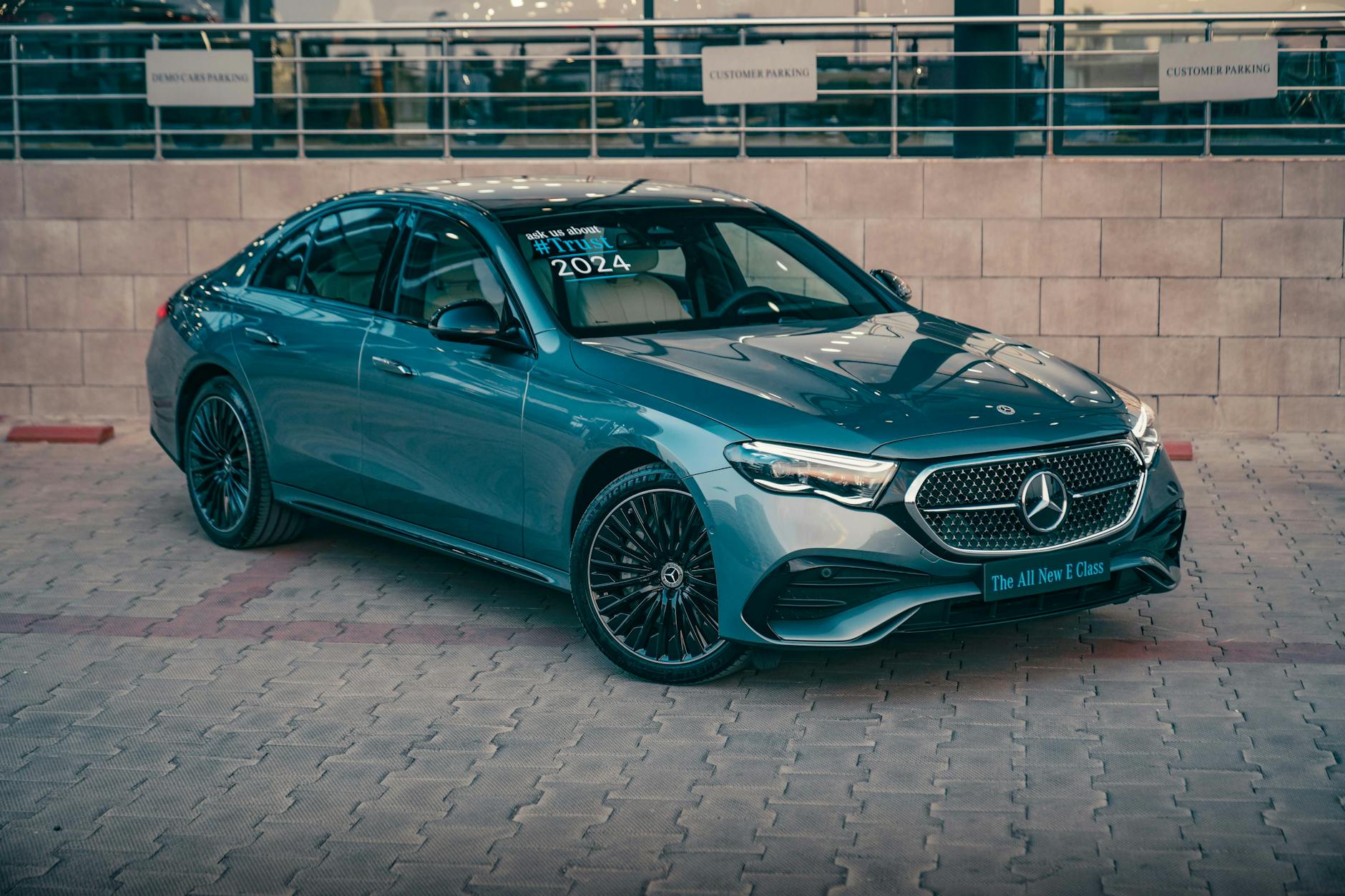
Deciding between a gleaming new car and a reliable pre-owned vehicle has always been a classic financial dilemma. However, as we navigate 2024, the automotive market looks significantly different than it did just a few years ago. With inventory levels stabilizing, interest rates remaining stubborn, and the rapid evolution of electric vehicles (EVs), the “obvious” choice isn’t so obvious anymore.
For most drivers, a vehicle is the second-largest purchase they will ever make. Whether you are looking for the latest safety tech or trying to minimize your monthly payments, your decision will impact your personal finances for years to come. Is the smell of a new interior worth the immediate hit to your net worth, or does the used car market still hold the best value despite higher maintenance risks?
In this comprehensive guide, we will break down the true costs of ownership in the current economy. We’ll analyze depreciation trends, financing rates, and long-term reliability to help you determine which path is the smartest financial move for your wallet in 2024.
1. The Depreciation Factor: Understanding Value Loss
Depreciation remains the single largest “hidden” cost of vehicle ownership. Historically, a new car loses approximately 20% of its value the moment it leaves the dealership lot and can lose up to 60% of its total value within the first five years.
The “New Car Smell” Premium
When you buy a 2024 model, you are paying for the privilege of being the first owner. While this offers peace of mind, the staggering drop in resale value during years one and two is a loss you can never recover. For those who trade in cars every 3 years, buying new is almost always the more expensive route.
The Used Car Soft Spot
The smartest financial move often involves buying a vehicle that is 3 to 5 years old. By this point, the initial owner has already “absorbed” the steepest part of the depreciation curve. In 2024, as the supply of lease-return vehicles increases, savvy buyers can find high-quality cars that have already leveled off in value loss, allowing for a much better resale price later on.
2. Financing and Interest Rates in 2024
The “Used vs. New” debate is heavily influenced by the cost of borrowing money. In 2024, interest rates remain at levels we haven’t seen in over a decade, but there is a notable difference in how they are applied to new versus used loans.
- Incentives for New Cars: Manufacturers often offer “subsidized” interest rates (such as 0.9% or 2.9% APR) to move new inventory. These rates are rarely available for used cars.
- Used Car Rates: Borrowing for a used vehicle typically commands a higher interest rate, often 2% to 4% higher than new car loans.
When calculating your total cost of ownership, you must compare the higher purchase price (new) with a low interest rate against a lower purchase price (used) with a higher interest rate. In some cases, a new car with a promotional 0% APR can actually result in a lower monthly payment than a used car with a 9% interest rate.
3. Maintenance, Warranties, and Reliability
One of the primary arguments for buying new is the bumper-to-bumper warranty. For the first 3 to 5 years, your financial exposure to mechanical failures is virtually zero. This predictability is a significant advantage for those on a strict monthly budget.
The Certified Pre-Owned (CPO) Alternative
If you want the savings of a used car with the security of a new one, Certified Pre-Owned (CPO) programs are the middle ground. These vehicles undergo rigorous inspections and come with extended factory warranties. While you pay a slight premium over a standard used car, it is often far less than the cost of a brand-new model.
Modern Longevity
It is important to note that modern vehicles are built to last longer than ever. A well-maintained car today can easily reach 150,000 to 200,000 miles. This takes the sting out of buying a used car with 40,000 miles on the odometer; you are still getting the “prime” years of the vehicle’s life at a discounted price.
4. Insurance Premiums and Registration Fees
The purchase price isn’t the only thing that changes when you go used. Secondary costs can add up to thousands of dollars over the life of the vehicle.
- Insurance: New cars generally cost more to insure because their replacement value is higher. Additionally, new cars often feature expensive sensors and tech in the bumpers, making minor repairs more costly for insurance companies.
- Registration Fees: In many states and provinces, annual registration fees are based on the vehicle’s current value or age. Buying used can lead to significant annual savings on government fees.
When you aggregate these savings, the used car option often wins on annual cash flow, even if the fuel efficiency is slightly lower than the newest models.
5. The Impact of Rapidly Evolving Technology
2024 is a transitional year for the automotive industry, particularly regarding Electric Vehicles (EVs) and Infotainment. This adds a new layer to the financial decision.
If you are looking at EVs, buying new might be smarter because of federal or local tax credits that may not apply to used models. Furthermore, battery technology is improving so fast that older EVs may suffer from “technological obsolescence,” causing their value to crash faster than traditional gas cars.
However, if you prefer internal combustion engines (ICE), the technology has largely plateaued. A 2021 gas-powered SUV has nearly identical safety and connectivity features to a 2024 model, making the used version a much more fiscally responsible choice.
Conclusion: Which is the Smarter Move?
In 2024, the “smarter” move depends entirely on your financing capabilities and how long you plan to keep the vehicle. If you can take advantage of manufacturer-subsidized low interest rates and plan to keep the car for 10+ years, buying new is a defensible financial decision.
However, for the vast majority of consumers, buying a 3-year-old used vehicle remains the superior financial move. By avoiding the initial 30-40% depreciation hit and opting for a vehicle with a proven reliability record, you keep more money in your pocket for investments and other life goals.
Ready to find your next ride? Start by calculating your budget and getting pre-approved for a loan to see which interest rates you qualify for before visiting the dealership!
FAQ: Frequently Asked Questions
Is it better to buy a used car in 2024 or wait until 2025?
Prices for used cars have begun to stabilize and even drop slightly in 2024 as new car inventory returns to normal. While waiting might bring slightly lower prices, the difference may be offset by continued high interest rates. If you need a car now, it is a safe time to buy.
What is the “Sweet Spot” age for a used car?
The financial sweet spot is typically a 3-year-old vehicle. These cars are often lease-returns, meaning they have lower mileage and have been well-maintained, but they have already lost a significant portion of their original retail value.
Do new cars have better safety features than used cars?
While new cars have the absolute latest technology, most major safety innovations (like Automatic Emergency Braking and Lane Keep Assist) have been standard on most vehicles since 2019-2020. A 2021 used car will likely be just as safe as a 2024 model.
Which depreciates faster: Gas or Electric cars?
Currently, Electric Vehicles (EVs) tend to depreciate faster than gas-powered cars due to rapid improvements in battery range and hardware. If you are worried about resale value, a used gas car or a new EV (with tax incentives) is usually the safer bet.