
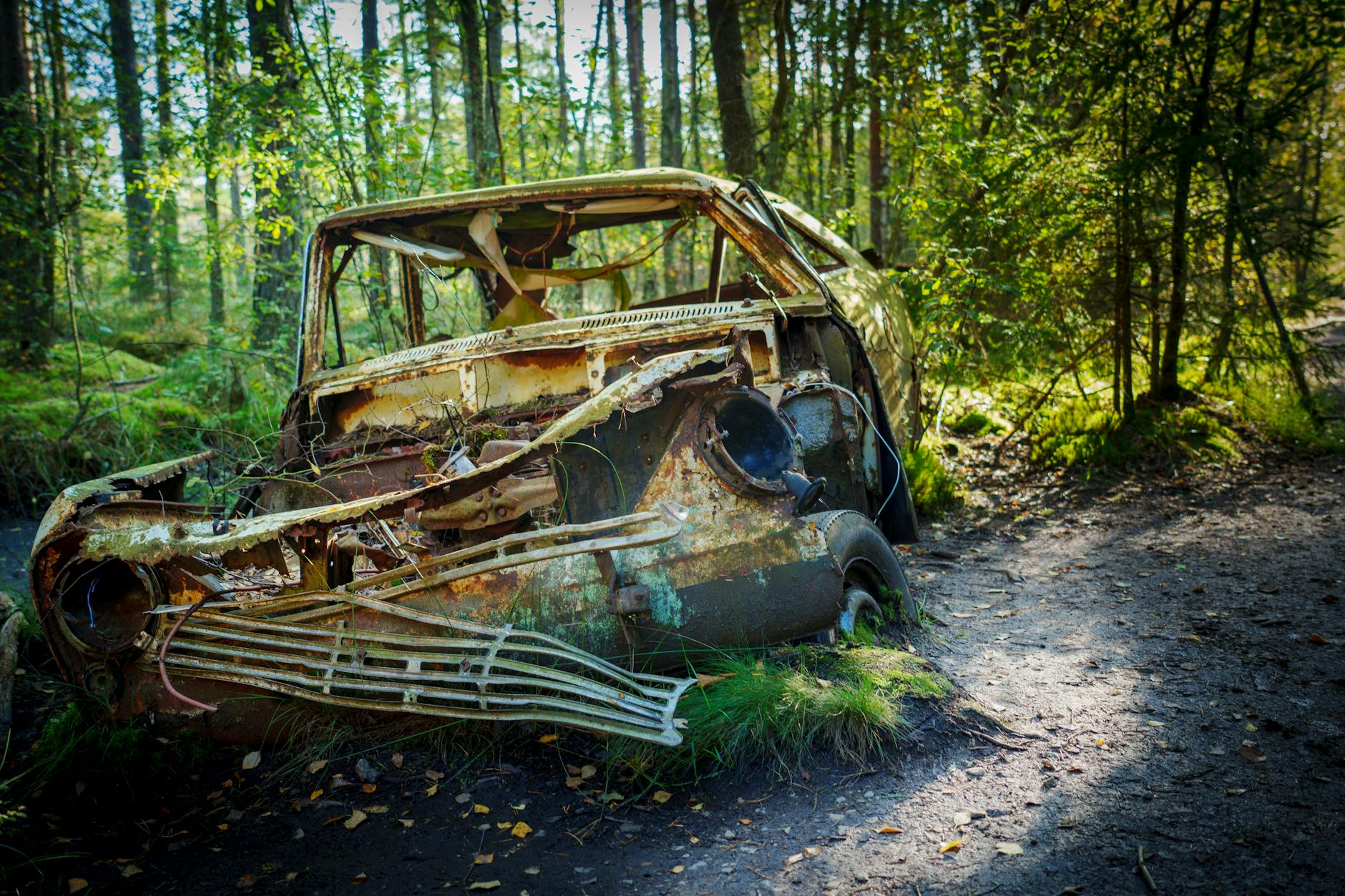
Buying a used car is often a thrilling experience, but it can quickly turn into a financial nightmare if you overlook what lies beneath a shiny coat of wax. While a vehicle might look pristine at first glance, the bodywork often hides secrets that the seller might not disclose—ranging from structural damage caused by previous accidents to the silent “car cancer” known as rust.
Inspecting a car’s exterior Is about more than just checking for scratches; it’s a forensic investigation. Minor dings are expected on older models, but compromised structural integrity or deep-seated corrosion can affect both the safety and the resale value of the vehicle. By learning How to spot the red flags, you can save yourself thousands of dollars in future repairs and ensure you are making a sound investment.
In this comprehensive guide, we will walk you through The Essential steps to inspect a car’s bodywork like a professional. From identifying mismatched paint to spotting the subtle signs of frame repair, you will gain the confidence needed to negotiate a better deal or walk away from a lemon.
1. Assessing Paint Quality and Color Consistency
One of the most effective ways to detect hidden accident damage is to analyze the paintwork. Manufacturers use automated robots to ensure a perfectly uniform finish, something that is incredibly difficult to replicate in a local body shop.
Check for Color Mismatches
Walk around the car in natural daylight. Look at the car from an angle rather than head-on. If one door looks slightly darker or has a different metallic flake density than the rest of the body, it has likely been repainted. Check the “orange peel” effect—the texture of the paint. If one panel is smoother or rougher than the others, it indicates non-factory work.
Spotting Overspray
Look closely at the rubber seals around the windows, the edges of the headlights, and the trim. If you see tiny droplets of paint or a line of color on a black rubber gasket, it’s a clear sign of overspray. This proves a panel was painted without being fully removed from the car, often a sign of a quick, cheap repair after a collision.
- Pro Tip: Use a small magnet (covered in a soft cloth) on metal panels. If the magnet doesn’t stick or feels weak, there is likely a heavy layer of Bondo or body filler underneath.
2. Analyzing Panel Gaps and Alignment
Precision is the hallmark of modern automotive manufacturing. Every gap between panels—such as the space between the hood and the fender—should be perfectly symmetrical.
The Finger Test
Run your finger along the gaps between the doors, the trunk, and the hood. The gap should be the same width from top to bottom. If a gap tapers off or is significantly wider on one side of the car than the other, the chassis or the panel mounting points may have been bent in an accident.
Door and Hood Operation
Open and close every door, including the hood and the trunk. They should operate smoothly without requiring force. If a door “drops” when opened or requires a hard slam to latch, the hinges are either worn or, more likely, the door frame is out of alignment due to a side-impact collision.
3. Identifying Hidden Rust and Corrosion
Rust is the greatest enemy of any vehicle, especially in regions where salt is used on roads during winter. While surface rust is a cosmetic issue, structural rust can make a car unsafe to drive.
Common Rust Hotspots
Don’t just look at the roof or the doors. You need to inspect the “invisible” areas where moisture and salt collect:
- Wheel arches: Feel the inner lip of the fender for bubbling paint.
- The bottom of doors: Check the drain holes; if they are clogged, water sits inside the door and eats it from the inside out.
- The rocker panels: These are the sills below the doors. Use a flashlight to check for “bubbles” under the paint, which indicate deep corrosion.
The Spare Tire Well
Lift the carpet in the trunk and inspect the spare tire well. If you see standing water, dampness, or rust flakes, it suggests a leaking rear seal or, worse, a rear-end collision that compromised the trunk’s integrity.
4. Inspecting the Chassis and Underbody
If the body looks good, it’s time to get a bit dirty. The undercarriage tells the true story of the car’s history. If possible, use a jack or crawl under the car with a high-powered flashlight.
Frame Rail Straightness
Look at the main frame rails (the large metal beams running the length of the car). They should be perfectly straight. Any signs of clamping marks, welds that look “manual” rather than machine-made, or ripples in the metal suggest the car was put on a frame-straightening machine after a major wreck.
Fresh Undercoating
Be wary of a car that has brand-new, thick black undercoating sprayed all over the bottom. Sellers often use this to hide fresh welds or severe rust. If it looks suspiciously new on an old car, ask why it was applied.
5. Checking Glass and Light Assemblies
The windows and lights can provide subtle clues about the car’s age and repair history that many buyers overlook.
Glass Logos and Date Codes
Check the corner of every window. Manufacturers use a consistent brand of glass (e.g., Pilkington, Saint-Gobain). If all windows have the car brand logo except for the driver’s side window, that glass was replaced. While it could be due to a break-in, it often happens during a side impact.
Headlight Clarity
If one headlight looks brand new and clear while the other is yellowed and foggy, the new one was likely replaced recently. Ask the seller if this was due to a minor fender bender or something more significant. Often, a front-end impact will destroy the plastic mounting tabs of the headlights, forcing a replacement.
Conclusion
Inspecting a car’s bodywork requires patience and a keen eye for detail. By focusing on paint consistency, panel alignment, and the structural integrity of the chassis, you can differentiate between a well-maintained vehicle and a hidden disaster. Never feel rushed during this process; a reputable seller will understand your need for a thorough inspection.
If you find multiple red flags, it is often best to walk away. However, if the issues are minor, you can use them as powerful negotiation tools to lower the asking price. Before you sign the papers, always consider getting a professional Pre-Purchase Inspection (PPI) from a trusted mechanic to confirm your findings.
Ready to buy? Download our car inspection checklist today to ensure you never miss a detail!
Frequently Asked Questions
Can a car with rust be repaired?
Yes, surface rust can be sanded and repainted. However, if the rust has created holes in the metal (perforation) or affected the frame, it requires expensive welding and panel replacement, which may not be cost-effective.
How can I tell if a car has been in a flood?
Check for a musty smell inside, silt or sand in hard-to-reach places under the dashboard, and corrosion on interior electrical connectors. Check if the seat bolts are rusted, as these are rarely exposed to water unless the cabin was submerged.
Is body filler (Bondo) always a bad sign?
Not necessarily. Small amounts are often used to smooth out minor dents for a perfect finish. However, thick layers of filler usually indicate that a major dent was “hidden” rather than the metal being properly straightened or the panel being replaced.
What is the most critical area to check for accident damage?
The crumple zones and frame rails. If the metal in the engine bay or trunk floor shows “wrinkles” or non-factory welds, the car has suffered a significant structural impact that can compromise safety in a future accident.