
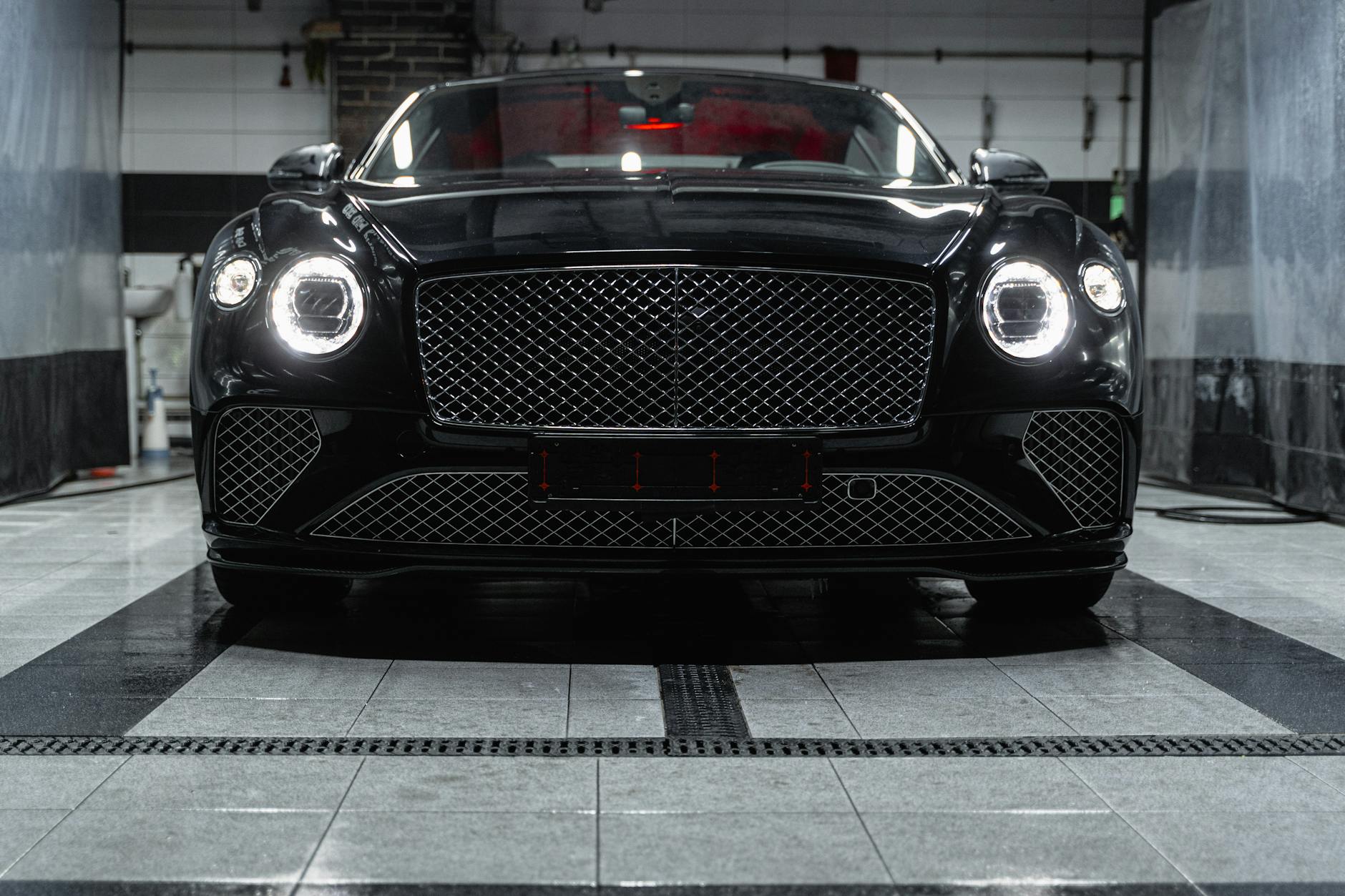
Owning a luxury car is a dream for many, evoking images of plush leather interiors, cutting-edge technology, and that unmistakable prestige on the road. However, the steep price tag of a brand-new Mercedes-Benz, BMW, or Audi often acts as a barrier to entry. This leads many savvy shoppers to the secondary market, where used luxury cars can be found for the price of a new generic sedan. But while the initial purchase price might look like a steal, the shadow of legendary “maintenance nightmares” often looms large.
The horror stories are well-known: a $2,000 bill for a simple sensor replacement or a transmission failure that costs more than the car’s current market value. These risks are real, but they are not inevitable. Buying a pre-owned high-end vehicle doesn’t have to be a financial gamble if you know How to navigate the market with precision and research. The secret lies in distinguishing between a “cheap luxury car” and a high-value luxury investment.
In this guide, we will walk you through The Essential steps to securing a premium ride without the mechanical headaches. By focusing on reliability ratings, diligent inspections, and smart ownership strategies, you can enjoy the “Executive Class” lifestyle while keeping your bank account intact. Let’s dive into how you can drive your dream car without it becoming a permanent resident of the local repair shop.
1. Choose the Right Brand and Model for Reliability
Not all luxury brands are created equal when it comes to long-term durability. While some manufacturers prioritize bleeding-edge technology that can be fragile over time, others focus on over-engineering their components for longevity. If your goal is to minimize maintenance, your research should start with brands known for high reliability scores.
- Lexus: Consistently ranked at the top of reliability surveys, Lexus offers Toyota’s legendary dependability wrapped in high-end luxury.
- Porsche: Unlike many performance brands, Porsche vehicles—particularly the 911 and Cayenne—are known for being exceptionally robust if maintained correctly.
- Acura and Infiniti: Because these are the luxury arms of Honda and Nissan, they often share mechanical platforms with simpler cars, making parts more affordable and systems more reliable.
Avoid “first-year” models of a new generation. When a car is completely redesigned, it often carries “teething” problems. Aim for the facelifted versions (usually 3-4 years into a model’s production run), as the manufacturer has typically ironed out the initial bugs by then.
2. The Power of the Pre-Purchase Inspection (PPI)
The single most important step in buying a used luxury vehicle is the Pre-Purchase Inspection (PPI). Never take the seller’s word—or even a basic dealership inspection—as gospel. You need an independent mechanic who specializes in that specific European or Japanese brand to look at the car.
What the PPI should cover:
- Diagnostic Scan: A professional tool can pull “hidden” codes that don’t trigger a dashboard light but indicate pending electronic or engine issues.
- Suspension and Air Ride: Many luxury cars use air suspension. While comfortable, these systems are expensive to fix. Look for leaks or sagging.
- Fluid Analysis: Dark or burnt fluids can signal a history of neglected maintenance or overheating.
Spending $200 to $400 on a comprehensive PPI can save you $5,000 in immediate repairs. If a seller refuses to let you take the car to a mechanic, walk away immediately.
3. Verify the Service History Relegiously
A luxury car is a precision instrument. If a budget car skips an oil change, it might survive; if a high-performance turbocharged engine skips maintenance, it’s a ticking time bomb. When browsing listings, prioritize cars that come with a complete service history.
Look for evidence of “preventative maintenance.” This means the previous owner didn’t just fix things when they broke but followed the manufacturer’s intervals for spark plugs, coolant flushes, and transmission services. Be wary of “Gap Years” in the records, which often indicate a period where the car was neglected or owned by someone who couldn’t afford the upkeep.
A CARFAX or AutoCheck report is a great starting point to check for accidents and title issues, but it doesn’t always show every oil change. Direct invoices from a specialized shop or dealership are the gold standard of proof.
4. Consider Certified Pre-Owned (CPO) and Third-Party Warranties
If you want The Ultimate peace of mind, the Certified Pre-Owned (CPO) route is your best bet. These cars undergo a rigorous multi-point inspection by the manufacturer and come with an extended factory warranty. While you will pay a premium over a private sale, the warranty can cover major failures that would otherwise cost thousands.
If buying from a non-franchise dealer or a private party, investigate aftermarket service contracts (extended warranties). Be careful here:
- Read the fine print to ensure “exclusionary coverage.”
- Check if air suspension and electronics are covered.
- Ensures the warranty allows repairs at independent specialists, not just specific networks.
5. Learn to Manage Maintenance Costs Like a Pro
The “nightmare” part of luxury car ownership often comes from dealership labor rates, which can exceed $200 per hour. To keep costs down, you need to change your approach to repairs. First, find a reputable independent specialist. These shops often have the same diagnostic tools as the dealer but significantly lower overhead.
Secondly, understand the parts market. Dealerships markup parts by 100% or more. Brands like Bosch, ZF, and Lemförder often manufacture the original parts for BMW and Mercedes. You can buy these same parts online—without the “official” logo stamp—for a fraction of the price. Finally, join owner forums. Often, a “catastrophic” dealer-quoted repair is actually a simple $50 fix that the enthusiast community has documented extensively.
Conclusion
Buying a used luxury car doesn’t have to be a gamble. By choosing reliable brands, insisting on a professional inspection, and verifying the maintenance records, you can enjoy a world-class driving experience without the financial stress. Luxury is about comfort and enjoyment—don’t let a lack of due diligence turn your dream ride into a driveway ornament.
Ready to find your next vehicle? Start by researching the specific common issues for your favorite models and never rush into a deal that seems too good to be true. Happy hunting!
FAQ
Is it cheaper to buy a used luxury car or a new economy car?
While the purchase price may be similar, the total cost of ownership is usually higher for a used luxury car due to insurance, premium fuel, and more expensive parts. However, the depreciation is often much lower on a used car.
Which luxury brand is the cheapest to maintain?
Lexus is widely considered the cheapest luxury brand to maintain because of its shared components with Toyota and its focus on long-term mechanical simplicity.
Should I avoid cars with air suspension?
Not necessarily, but you should budget for its eventual repair. If you want a “worry-free” experience, look for models with traditional coil springs, which are much cheaper to replace.
At what mileage should I stop considering a used luxury car?
Mileage is less important than maintenance history. A 100,000-mile car with perfect records is often a better buy than a 50,000-mile car that has never had an oil change. However, 60,000 to 80,000 miles is often the “sweet spot” for value.