
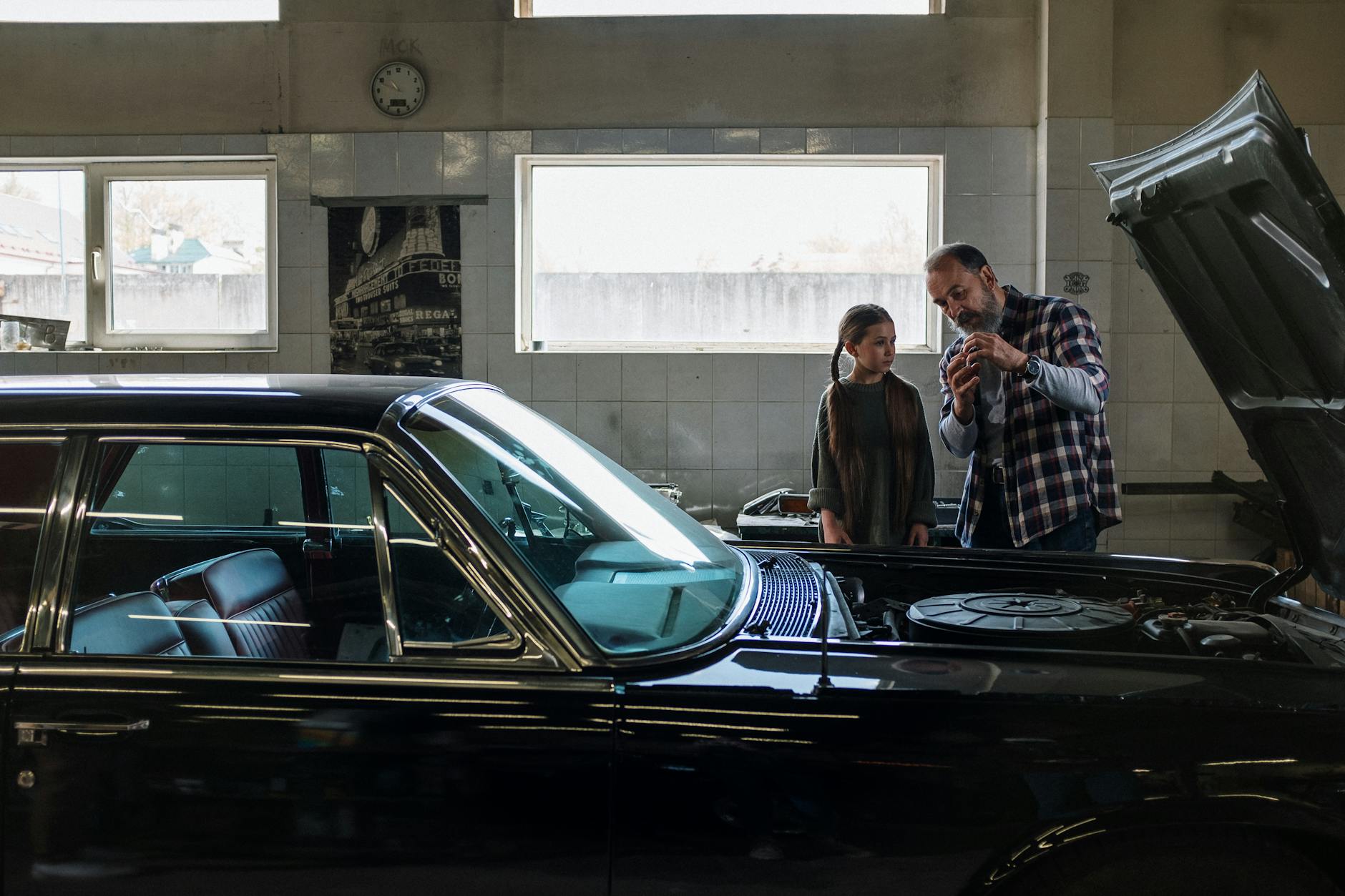
Shopping for a new car Is an exhilarating experience, filled with decisions about color, performance, and high-tech features. However, many drivers overlook a critical component of the total cost of ownership: car insurance premiums. Before you sign on the dotted line at the dealership, it is essential to understand that the vehicle you choose is one of the primary factors insurance companies use to calculate your quote.
Insurance providers do not see a car just as a mode of transportation; they see it as a risk profile. Every make and model carries a different statistical likelihood of being involved in an accident, being stolen, or requiring expensive repairs. Understanding these nuances can save you hundreds, if not thousands, of dollars over the lifespan of your vehicle.
In this comprehensive guide, we will break down the specific ways your vehicle choice dictates your insurance costs. From safety ratings to modern technology, we will explore what goes on behind the scenes when an actuary evaluates your next potential ride.
1. The Relationship Between MSRP and Replacement Cost
One of the most straightforward factors affecting your car insurance quotes is the actual value of the vehicle. If you opt for a luxury sedan or a high-end SUV, the insurance company assumes a higher financial risk. In the event of a total loss, the insurer is responsible for paying out the fair market value of the car.
- Depreciation: New cars lose value quickly, but their initial high MSRP (Manufacturer’s Suggested Retail Price) means higher premiums for comprehensive and collision coverage.
- Parts and Labor: Luxury brands often require specialized parts and certified technicians, which significantly inflates repair bills after a minor fender bender.
- Import Costs: If you choose a foreign vehicle with parts that are hard to source locally, expect your premium to reflect those logistical challenges.
2. Safety Ratings and Crash Test Performance
Insurance companies love safety. A vehicle designed to protect its occupants during a collision reduces the likelihood of personal injury claims, which are often the most expensive part of an insurance payout. When researching cars, look at ratings from the Insurance Institute for Highway Safety (IIHS) and the National Highway Traffic Safety Administration (NHTSA).
Active vs. Passive Safety Features
Passive features like airbags and reinforced frames have long been standard for lowering rates. Today, insurers are also looking for “active” safety technology, such as:
- Automatic Emergency Braking (AEB)
- Lane Departure Warnings
- Blind-spot Detection
- Adaptive Cruise Control
While these features can lead to discounts, there is a catch: the sensors and cameras required for these systems are expensive to replace, which can sometimes offset the safety discount.
3. The Double-Edged Sword of Vehicle Technology
We are currently in a transition period for automotive tech. On one hand, Advanced Driver Assistance Systems (ADAS) prevent accidents. On the other hand, a simple bumper scrape that used to cost $500 to fix can now cost $2,500 because of the embedded ultrasonic sensors and cameras.
Electric Vehicles (EVs) are a prime example of this trend. While they are environmentally friendly and offer great performance, they often command higher insurance premiums. The complexity of battery packs and the scarcity of specialized EV repair shops mean that even minor damage can lead to a vehicle being declared a “total loss” by the insurer.
4. Theft Rates and Regional Statistics
Insurers keep detailed databases of which cars are most frequently stolen. If you choose a model that is a popular target for car theft, your comprehensive coverage costs will climb. Interestingly, it is not always the most expensive cars that are stolen most often; sometimes, older models are targeted because their parts are in high demand or their security systems are easier to bypass.
Your location also plays a role here. A high-theft model parked in a secure suburban garage might cost less to insure than the same model parked on a busy city street. However, the base risk level associated with the vehicle model remains a constant factor in your quote.
5. Performance Levels and Driver Behavior
It is no secret that a turbocharged sports car will cost more to insure than a family-oriented minivan. Insurers use historical data to correlate horsepower and engine size with driver behavior. Statistically, drivers of high-performance vehicles are more likely to engage in risky driving behaviors, such as speeding, which leads to more frequent and severe accidents.
Even if you are a safe driver with a clean record, owning a car with a “sport” badge can trigger a surcharge. Insurers categorize vehicles into risk groups; the faster and more powerful the car, the higher the group, and the more you will pay for your premium.
Conclusion: Shop With Insurance in Mind
Your vehicle choice is about more than just aesthetics and performance; it is a long-term financial commitment that includes the recurring cost of insurance. Before you commit to a purchase, it is highly recommended to get insurance quotes for 2 or 3 different models you are considering. You might find that the “cheaper” car actually costs more in the long run due to high insurance rates.
Ready to see how your dream car affects your budget? Contact an agent today or use an online comparison tool to get an accurate estimate before you head to the dealership!
Frequently Asked Questions
Does the color of my car affect my insurance rate?
No. Contrary to the popular myth that red cars cost more to insure, insurance companies do not ask for the color of your vehicle when calculating a quote. They are far more interested in the VIN, engine size, and safety features.
Are SUVs cheaper to insure than sedans?
Generally, yes. SUVs are often viewed as safer for occupants and are frequently driven by families, who are statistically more cautious. However, high-end luxury SUVs can still be expensive to insure due to their high replacement value.
Do older cars always have lower premiums?
Not necessarily. While the collision and comprehensive coverage might be cheaper because the car is worth less, an older car might lack modern safety features, which could lead to higher liability or medical payment premiums.
Can I get a discount for having an anti-theft device?
Yes, many insurers offer discounts for vehicles equipped with stolen vehicle recovery systems (like LoJack) or even standard factory-installed alarms, as these reduce the risk of a total loss claim due to theft.