
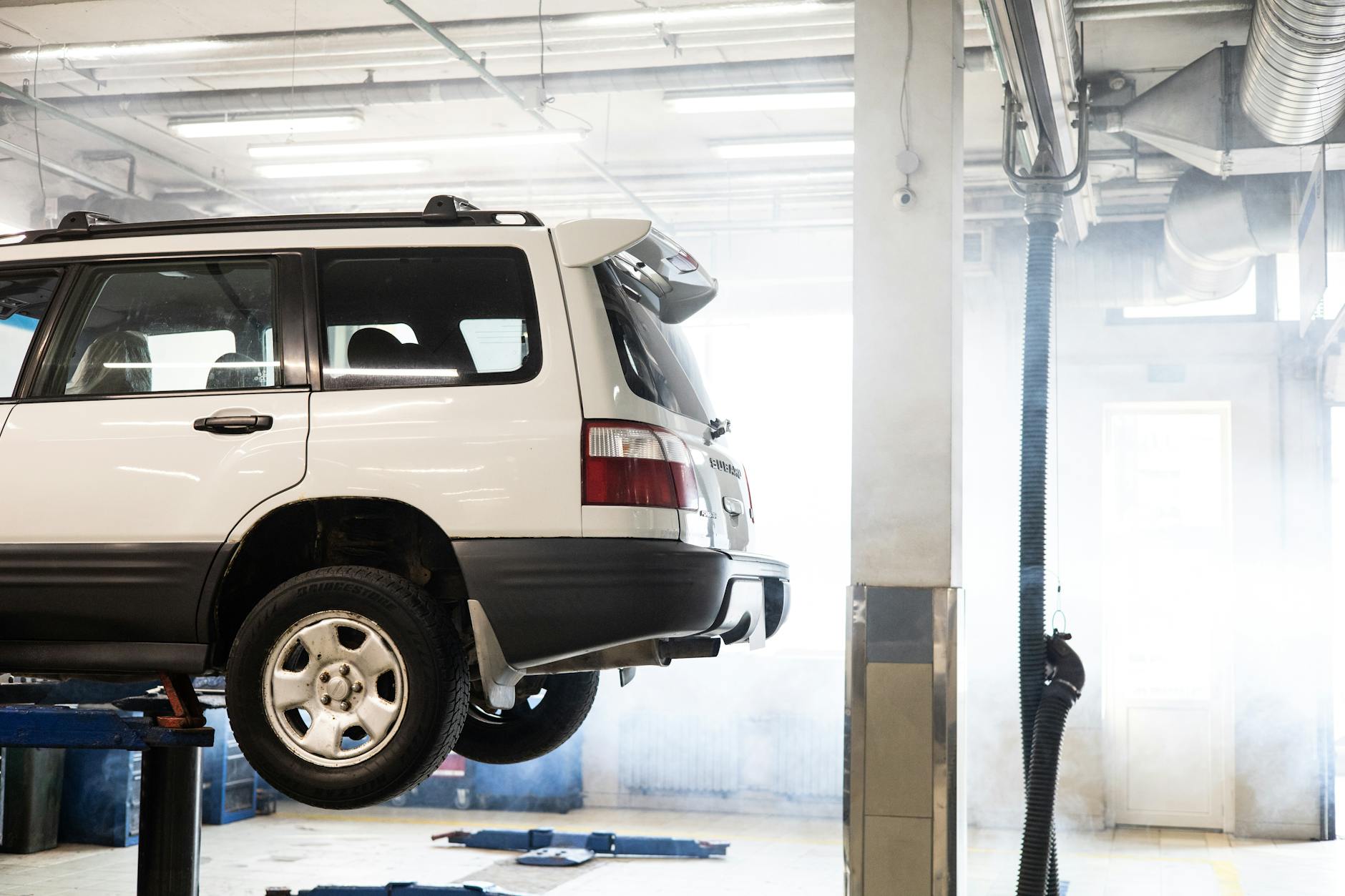
Buying a used car is an exciting milestone, but it often comes with a layer of uncertainty. While a shiny exterior and a clean interior might catch your eye, the most critical factors lie beneath the surface: safety and reliability. Every year, millions of vehicles are recalled for defects ranging from minor software glitches to life-threatening airbag or engine issues. If you aren’t careful, you could unintentionally purchase a “lemon” that puts your family at risk.
Checking for open recalls and researching safety ratings is no longer a laborious task involving stacks of paperwork. Thanks to modern digital tools and government databases, you can access comprehensive safety data in just a few clicks. Whether you are buying from a Private Seller or a certified pre-owned dealership, doing your due diligence is the only way to ensure your new investment is actually roadworthy.
In this guide, we will walk you through The Essential steps to verify a vehicle’s safety history. From decoding the VIN to understanding crash test results, you’ll learn How to navigate the car-buying process with confidence. Don’t let a hidden defect ruin your driving experience—here is how to stay informed and stay safe.
1. Locate and Use the Vehicle Identification Number (VIN)
The Vehicle Identification Number (VIN) is your car’s digital fingerprint. It is a 17-character code unique to that specific vehicle, and it is the key to unlocking its entire history. Before you commit to a purchase, you must obtain this number from the seller.
Where to find the VIN:
- The Dashboard: Look through the windshield on the driver’s side where the dashboard meets the glass.
- The Door Jamb: Check the sticker on the driver’s side door frame.
- Vehicle Documents: The VIN is always listed on the title, registration, and insurance cards.
Once you have the VIN, your first stop should be the National Highway Traffic Safety Administration (NHTSA) website. Their free search tool allows you to enter the VIN and instantly see if there are any unrepaired safety recalls from the last 15 calendar years. This transparency ensures that even if a car was sold multiple times, you know exactly what work still needs to be done.
2. Understanding Open Recalls vs. Closed Recalls
It is important to distinguish between a vehicle that “had” a recall and one that has an “open” recall. A car having a history of recalls isn’t necessarily a dealbreaker; in fact, many popular models have had minor recalls for things like windshield wiper motors or interior trim.
Open recalls are the red flags. These are safety issues that have been identified by the manufacturer or the government but have not yet been repaired on that specific vehicle. If you find an open recall, it means the current owner has neglected to take the car to an authorized dealer for the free fix.
When you encounter an open recall during your pre-purchase inspection:
- Request that the seller has the repair completed before the sale.
- Verify that the repair is done at an authorized dealership (recalled repairs are almost always free of charge to the owner).
- Ask for the service receipt as proof that the recall has been closed in the manufacturer’s system.
3. Evaluating Safety Ratings Through NHTSA and IIHS
While recalls tell you about specific defects, safety ratings tell you how well the car was designed to protect occupants in a crash. There are two primary organizations in the United States that provide these ratings, and they use different testing methods.
The NHTSA 5-Star Safety Ratings
The government’s NHTSA program focuses on crashworthiness. They rate vehicles from one to five stars based on performance in frontal, side, and rollover crashes. A 5-star rating is the gold standard, suggesting the vehicle has the highest level of occupant protection.
The IIHS Top Safety Picks
The Insurance Institute for Highway Safety (IIHS) is an independent, non-profit organization. Their tests are often more rigorous than the government’s. They evaluate:
- Crash avoidance and mitigation: How well the car’s automated braking and headlights work.
- Roof strength: Vital for protection during rollovers.
- Small overlap front tests: Checking how the car handles hitting an object (like a tree or pole) on the front corner.
Look for vehicles designated as a “Top Safety Pick+” for the highest level of security.
4. Researching Long-Term Reliability and Common Complaints
Safety isn’t just about crashes; it’s also about the vehicle not failing you in the middle of a highway. Beyond official recalls, you should investigate “hidden” safety issues by looking at consumer complaints and reliability scores.
Websites like Consumer Reports and CarComplaints.com offer invaluable data on real-world owner experiences. Sometimes, a car may not have an official recall yet, but hundreds of owners might be reporting “sudden loss of power” or “steering rack failure.” If you see a recurring pattern of mechanical failures in a specific model year, it may be a sign to look elsewhere.
Always cross-reference the model year. A 2018 version of a car might be perfectly safe, while the 2019 version might have introduced a new engine component that is prone to catching fire. Precision in your research pays off in the long run.
5. The Importance of a Professional Pre-Purchase Inspection (PPI)
Databases are powerful tools, but they cannot see the physical condition of the car in front of you. A Pre-Purchase Inspection (PPI) by a trusted, independent mechanic is the final piece of the safety puzzle. A mechanic can identify issues that don’t show up on a VIN report, such as:
- Frame damage: Indicating a past accident that wasn’t reported to insurance.
- Poor quality repairs: Using non-standard parts that may compromise safety systems like crumple zones.
- Worn safety components: Such as thinning brake pads, bald tires, or leaking suspension fluid.
Spending $100 to $200 on a professional inspection is a small price to pay to ensure your used car purchase won’t end up costing you thousands in repairs or, worse, compromising your safety on the road.
Conclusion
Taking the time to check for open recalls and safety ratings is the mark of a savvy car buyer. By leveraging the VIN, checking NHTSA and IIHS ratings, and insisting on a professional inspection, you eliminate the guesswork and protect your investment. Remember, a car is more than just a mode of transport—it is a protective shell for you and your passengers. Never settle for a vehicle with an unknown safety history.
Ready to find your next car? Start by grabbing the VIN of the vehicle you’re interested in and head over to the NHTSA website today to ensure your dream car isn’t a safety nightmare!
FAQ
How much does it cost to fix a safety recall?
By law, safety recall repairs are free if performed by an authorized dealership for the brand of your vehicle. You should never be charged for parts or labor related to an official safety recall.
Will a VIN report tell me everything about a car’s accidents?
Not necessarily. While tools like Carfax or AutoCheck are excellent, they only show accidents that were reported to insurance companies or police. A PPI is still necessary to find “hidden” damage from unreported incidents.
Do recalls expire?
Generally, safety recalls do not expire. They stay with the vehicle until the repair is performed. However, there are some limits for very old vehicles (usually over 15 years) regarding certain types of manufacturer obligations, so it is best to check with a dealer as soon as possible.