
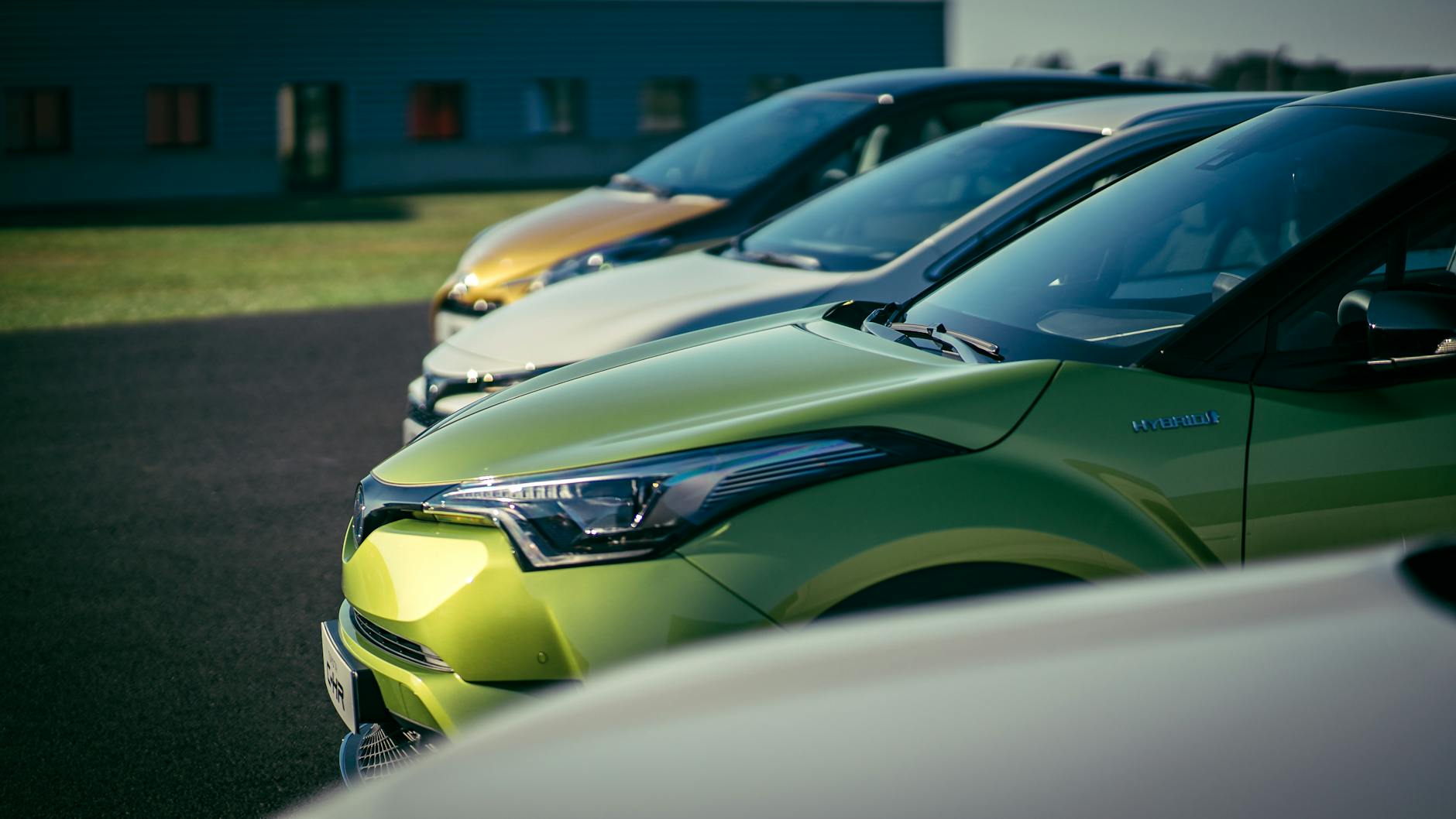
Choosing a new car used to be a simple decision between a few dependable brands. Today, however, the automotive landscape has shifted dramatically. As you walk onto a dealership lot, you aren’t just choosing a color or a body style; you are choosing the powertrain technology that will define your daily commute, your monthly budget, and your environmental footprint for years to come.
With gas prices fluctuating and environmental regulations tightening, the debate between Electric Vehicles (EVs), Hybrids, and traditional Gasoline engines (ICE) has never been more relevant. Each option offers distinct advantages, but the “best” choice depends entirely on your specific lifestyle, driving habits, and charging infrastructure. Whether you are a city dweller, a long-distance road tripper, or someone looking to save on maintenance, understanding these differences is crucial.
In this comprehensive guide, we will break down the pros and cons of each engine type. We will explore total cost of ownership, driving range, and convenience to help you decide which vehicle belongs in your driveway. Let’s dive into the mechanics of your next big purchase.
The Classic Internal Combustion Engine (Gasoline)
The Internal Combustion Engine (ICE) has been the gold standard for over a century. Despite the rise of green technology, gas-powered cars remain highly popular due to their familiarity and lower upfront purchase price.
Pros of Gasoline Vehicles
- Lower Upfront Cost: Generally, gas cars have a lower starting MSRP compared to their electric or hybrid counterparts.
- Convenience: You can find a gas station on nearly every corner, and refueling takes less than five minutes.
- Maintenance Familiarity: Every mechanic knows How to fix a gas engine, making parts and labor widely available.
Cons of Gasoline Vehicles
- Fuel Volatility: You are at the mercy of global oil prices, which can spike unexpectedly.
- Higher Emissions: Gas engines contribute significantly to carbon footprints and local air pollution.
- More Moving Parts: With hundreds of components like spark plugs, belts, and oil filters, there are more things that can break over time.
Electric Vehicles (EVs): The Future is Here
Electric Vehicles have evolved from niche luxury items to mainstream contenders. Powered entirely by lithium-ion batteries, they offer a driving experience that is quiet, smooth, and incredibly fast off the line.
Why Go Full Electric?
The primary draw of an EV is the elimination of fuel costs. Charging at home is significantly cheaper than buying gas, and many workplaces now offer free charging. Furthermore, EV maintenance is minimal; you can say goodbye to oil changes, transmission fluid, and exhaust system repairs.
Potential Hurdles
Range anxiety is a common concern, though modern EVs often exceed 250 miles on a single charge. However, if you live in an apartment without a dedicated charger or frequently travel through rural areas, the charging infrastructure might still feel limiting. Additionally, the initial purchase price is often higher, though federal tax credits can help offset this cost.
Hybrid Vehicles: The Best of Both Worlds?
If you aren’t ready to commit fully to a plug, Hybrid Electric Vehicles (HEVs) and Plug-in Hybrids (PHEVs) offer a middle ground. They combine a traditional gas engine with an electric motor to maximize efficiency.
Standard Hybrids vs. PHEVs
- Standard Hybrids: These charge their own batteries through regenerative braking. You never plug them in, but you get significantly better MPG in city traffic.
- Plug-in Hybrids (PHEVs): These have larger batteries that can be charged via an outlet. They usually offer 20-50 miles of all-electric range—perfect for daily commutes—while the gas engine kicks in for longer trips.
Hybrids are ideal for drivers who want efficiency without changing their long-distance driving habits. They provide the safety net of gasoline with the fuel-saving benefits of electricity.
Calculating the Total Cost of Ownership
When choosing an engine, the sticker price is only half the story. To make a smart financial decision, you must consider the Total Cost of Ownership (TCO) over five to ten years.
Fuel vs. Electricity: On average, driving an EV can save you between $800 and $1,500 per year in fuel costs, depending on local rates. Maintenance costs are also roughly 40% lower for EVs because they have fewer moving parts. However, you must factor in the cost of installing a Level 2 home charger, which can range from $500 to $2,000 including installation.
Depreciation: Historically, gas cars held their value better, but that is changing. High-demand EVs and Hybrids now boast strong resale values, while some luxury gas SUVs are depreciating faster as the market pivots toward sustainability.
Which One Fits Your Lifestyle?
Still undecided? Let’s look at three common life scenarios to see which engine wins:
- The Urban Commuter: If you drive less than 40 miles a day and have a garage, an EV is a no-brainer. You’ll save thousands and enjoy a silent, stress-free drive.
- The Long-Distance Voyager: If you frequently drive 300+ miles through remote areas, a Hybrid or a fuel-efficient Gas car is currently the most practical choice to avoid long charging stops.
- The Weekend Adventurer: If you need to tow a heavy trailer or boat, a high-torque Gas or Diesel truck is often still the most capable, though electric trucks like the Ford F-150 Lightning are closing the gap.
Ultimately, your choice should balance your desire for sustainability with the practical realities of your daily routine and local infrastructure.
Conclusion
There is no “one-size-fits-all” answer when it comes to choosing between Electric, Hybrid, or Gas engines. The gasoline engine remains a reliable, low-entry option; the Hybrid offers a versatile bridge for the cautious consumer; and the Electric Vehicle provides a high-tech, low-maintenance future. Before making your final decision, take the time to test drive all three types and research local charging availability in your neighborhood.
Ready to find your next ride? Browse our latest inventory and compare the performance specs of today’s top-rated EVs and hybrids to see which one fits your budget and lifestyle perfectly!
Frequently Asked Questions
How long do EV batteries actually last?
Most modern EV batteries are designed to last between 10 to 20 years. Most manufacturers provide a warranty for 8 years or 100,000 miles, ensuring that the battery maintains at least 70% of its original capacity.
Do hybrids require more maintenance because they have two systems?
Surprisingly, no. While they have two systems, the electric motor reduces the strain on the gas engine. Features like regenerative braking also mean that your brake pads and rotors last significantly longer than those on a standard gas vehicle.
Is it expensive to install a home charging station?
A standard 120V outlet (Level 1) costs nothing but is very slow. A Level 2 charger (240V) typically costs between $400 and $800 for the unit, plus labor for an electrician, but many utility companies offer rebates to cover these costs.
Can I still take a road trip in an electric car?
Yes! With the expansion of DC Fast Charging networks like Tesla’s Superchargers and Electrify America, you can charge most EVs from 10% to 80% in about 20-30 minutes, which is roughly the time it takes to grab a coffee and use the restroom.