
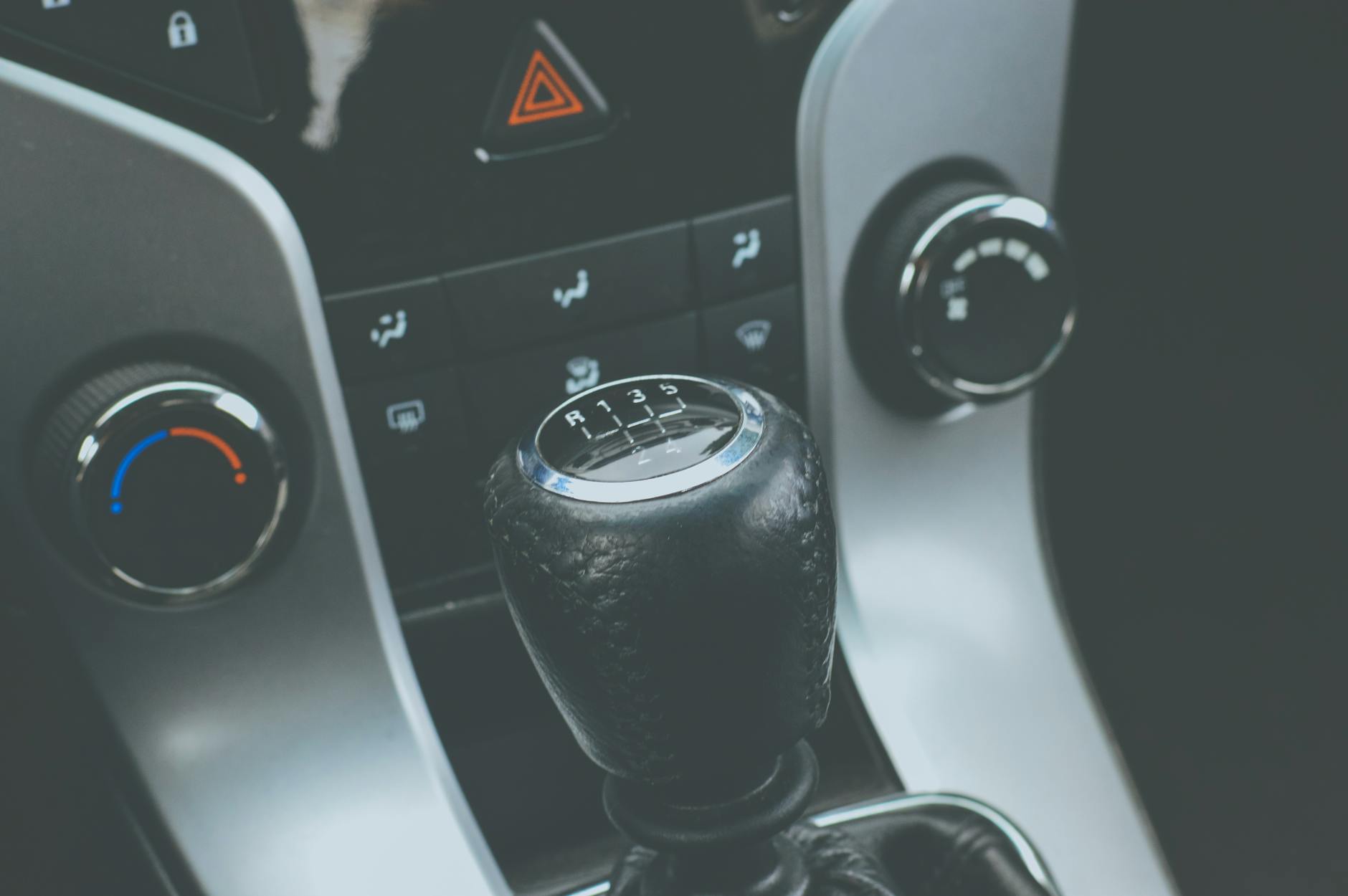
Your car’s transmission is a complex and vital component, much like your own heart. And just like your heart needs to be healthy to keep you moving, your transmission needs regular care to ensure your vehicle runs smoothly. At the core of this care is the transmission fluid. Often overlooked, this “lifeblood” of your transmission plays a critical role in its operation and longevity. But when is the right time to change it, and why is this maintenance so crucial for a smooth ride?
Ignoring transmission fluid isn’t just a minor oversight; it can lead to costly repairs and a significantly compromised driving experience. This article will delve into The Essential aspects of transmission fluid, helping you understand its importance, recognize the signs that indicate a change is needed, and ultimately, keep your vehicle performing at its best for years to come.
What Exactly Does Transmission Fluid Do?
Transmission fluid, also known as automatic transmission fluid (ATF) or gear oil, is a specialized lubricant that performs several critical functions within your car’s transmission system. It’s not just about reducing friction between moving parts, though that is a primary role. The fluid also dissipates heat generated by the transmission’s components, preventing overheating and potential damage. Additionally, it ensures proper hydraulic pressure for gear changes in automatic transmissions, acting as a medium to transmit power.
In manual transmissions, gear oil performs similar lubrication and cooling duties, but the hydraulic pressure component is absent as those are mechanically operated. The right type of transmission fluid is essential, as using the incorrect one can lead to significant internal damage and performance issues. Always refer to your vehicle’s owner’s manual to identify the specific type of fluid recommended by the manufacturer.
Signs Your Transmission Fluid Needs Changing
Your car will often give you subtle (and sometimes not-so-subtle) hints when its transmission fluid is nearing the end of its lifespan or has become contaminated. Paying attention to these signs can save you from major repair bills. Here are some key indicators:
- Strange Noises: Whining, clunking, or humming sounds coming from your transmission, especially when shifting gears, can indicate low fluid levels or old, degraded fluid.
- Difficulty Shifting Gears: If your transmission hesitates, slips, or feels jerky when changing gears, it’s a strong sign that the fluid isn’t lubricating or providing the necessary hydraulic pressure effectively.
- Burning Smell: A burnt smell, often described as similar to burnt toast or carpet, is a serious warning sign. It typically indicates that the transmission fluid is overheating due to friction and lack of lubrication.
- Dark or Dirty Fluid: Fresh transmission fluid is usually bright red (for automatics) and clear. If it appears dark brown, black, or has a gritty texture, it has likely lost its lubricating properties and is contaminated with debris. A simple check of the fluid dipstick can reveal this.
- Transmission Warning Light: Modern vehicles often have a dashboard warning light specifically for transmission issues. If this light illuminates, it’s crucial to get it checked immediately.
How Often Should Transmission Fluid Be Changed?
The frequency of transmission fluid changes can vary significantly depending on your vehicle’s make, model, year, driving habits, and the type of transmission. Historically, many manufacturers recommended a transmission fluid change every 30,000 to 40,000 miles. However, with advancements in transmission technology and fluid formulations, many newer vehicles can go much longer.
Key factors influencing the recommended interval include:
- Vehicle Manufacturer Recommendations: Always consult your owner’s manual. It will provide the most accurate service intervals for your specific vehicle.
- Driving Conditions: If you frequently drive in extreme conditions (e.g., heavy towing, stop-and-go traffic, mountainous terrain, very hot or cold climates), you may need to change your fluid more often than the standard recommendation.
- Type of Transmission: Manual transmissions may have different service intervals than automatic transmissions.
A general guideline for many modern vehicles is to check the transmission fluid around every 30,000 miles and change it approximately every 60,000 to 100,000 miles, but again, your owner’s manual is the definitive source.
Why a Transmission Fluid Change is Crucial for a Smooth Ride
Beyond the immediate signs of trouble, regular transmission fluid changes are vital for maintaining optimal transmission performance and preventing premature wear. Fresh, clean fluid ensures proper lubrication, which is the primary defense against friction and heat. This lubrication allows gears to mesh smoothly, reducing wear and tear on vital components like clutch packs and seals.
In automatic transmissions, the hydraulic function of the fluid is paramount. It enables precise shifts by controlling the flow of pressure, ensuring a seamless transition between gears. Old, degraded fluid can become aerated or sludgy, impairing its ability to transmit pressure consistently, leading to harsh shifts and potential transmission slippage. By changing the fluid, you are essentially restoring its ability to perform these critical functions, thereby guaranteeing a smoother, more responsive, and more enjoyable driving experience.
The Risks of Neglecting Transmission Fluid Maintenance
Ignoring your transmission fluid is a gamble that rarely pays off. The risks associated with neglecting this essential maintenance can be severe and financially devastating. At best, you’ll experience a decline in performance, characterized by rough shifting, delayed engagement, and decreased fuel efficiency.
At worst, you could face catastrophic transmission failure. This can result from:
- Overheating: Without proper lubrication and cooling, friction generates extreme heat, warping metal parts, damaging seals, and eventually leading to complete transmission breakdown.
- Increased Wear: Contaminated or degraded fluid cannot adequately protect gears and bearings from friction, accelerating wear and tear on internal components.
- Hydraulic System Failure: In automatic transmissions, old fluid can clog narrow passages and valves within the valve body, leading to erratic or failed shifting.
Repairing or replacing a transmission is one of the most expensive repairs a vehicle owner can face, often running into thousands of dollars. Regular fluid changes are a small investment that provides significant protection against these costly outcomes.
Transmission Fluid Service: What to Expect
A transmission fluid service typically involves draining the old fluid and replacing it with new fluid. This is often a more involved process than an oil change. For automatic transmissions, a simple drain and fill might only replace a portion of the total fluid. A “flush” or “exchange” service, where the old fluid is pumped out while new fluid is added, ensures a more complete replacement of the old fluid with new.
During a transmission fluid service, a mechanic will usually:
- Inspect the old transmission fluid for color, smell, and contaminants.
- Drain the old fluid from the transmission pan.
- Replace or clean the transmission filter (highly recommended).
- Refill the transmission with the correct type and amount of new transmission fluid.
- Check the fluid level and ensure proper operation.
It’s essential to use the specific type of transmission fluid recommended by your car’s manufacturer, as using the wrong fluid can cause immediate damage.
Frequently Asked Questions (FAQ)
What is the difference between transmission fluid and engine oil?
Engine oil lubricates your engine’s internal moving parts and helps cool them. Transmission fluid specifically lubricates and cools the transmission system, and in automatic transmissions, it also acts as a hydraulic fluid to engage gears. They are chemically different and not interchangeable.
Can I use a generic transmission fluid?
While some generic fluids claim to be universal, it’s always best to use the specific fluid recommended by your vehicle’s manufacturer. Using the wrong fluid can lead to improper shifting, increased wear, and potential transmission damage.
How do I check my transmission fluid level?
Your car’s transmission fluid dipstick is usually located in the engine bay, often labeled “Trans.” Park your car on a level surface, with the engine warm and running, and the transmission in park or neutral (check your owner’s manual for specific instructions). Pull out the dipstick, wipe it clean, reinsert it fully, and pull it out again to read the level. Ensure it falls within the “hot” or “full” marks.
Is a transmission flush necessary?
A transmission flush (or exchange) replaces nearly all the old fluid with new, whereas a simple drain and fill only replaces about 30-50% of the fluid. For vehicles with well-maintained fluid, a drain and fill might suffice. However, for vehicles with older fluid or those with specific manufacturer recommendations, a flush can be more beneficial. Consult your owner’s manual or a trusted mechanic.
Your transmission is a sophisticated piece of engineering that deserves proper attention. Regular checks and timely changes of your transmission fluid are not just routine maintenance; they are investments in the health and longevity of your vehicle. By understanding the role of transmission fluid, recognizing the warning signs, and adhering to recommended service intervals, you can ensure your car continues to deliver that smooth, reliable ride you count on, mile after mile.