
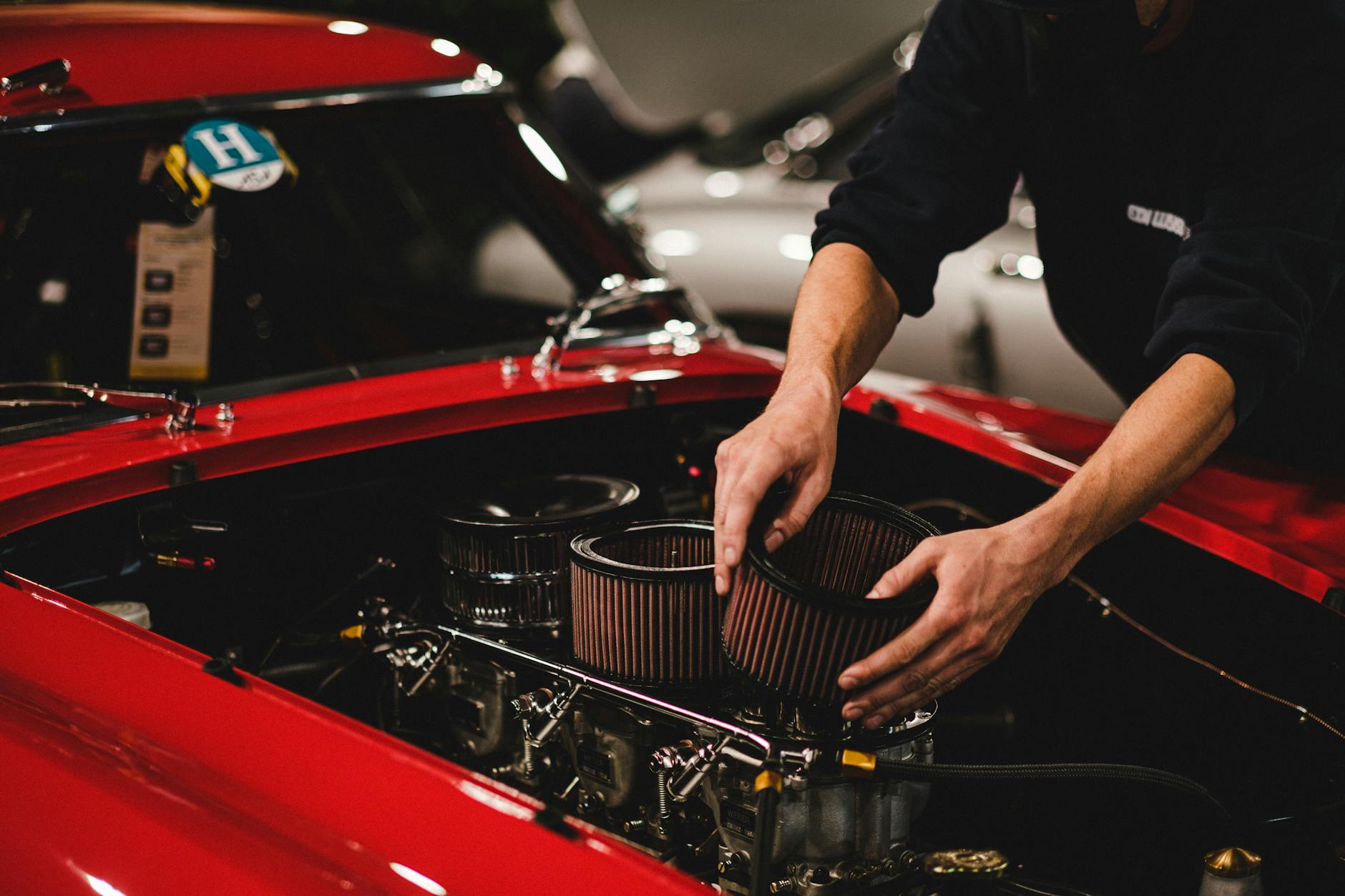
Are you looking to get the most out of your vehicle while also saving money on maintenance and repairs? The secret might be simpler than you think. Many car owners overlook the crucial role of a clean air filter. Often dismissed as a minor component, a clogged or dirty air filter can significantly impact your car’s performance, fuel efficiency, and even its lifespan.
Think of your engine like your lungs. Just as you need to breathe clean air to function optimally, your car’s engine requires a constant supply of clean air to efficiently burn fuel and produce power. The air filter is the gatekeeper, preventing dust, dirt, insects, and other debris from entering and damaging the delicate internal components of your engine.
In this comprehensive guide, we’ll delve into the vital importance of regularly checking and replacing your car air filter. We’ll explore how a pristine filter contributes to peak performance, boosts your fuel economy, and ultimately saves you money in the long run. Understanding this seemingly small part can make a big difference in your driving experience and your wallet.
The Engine’s Breath of Fresh Air: How Air Filters Work
At its core, an engine needs a precise mixture of fuel and air to combust and generate power. The air filter’s primary job is to ensure that the air entering this combustion process is as clean as possible. It’s typically made of pleated paper, cotton, or foam, designed to trap airborne particles. As air is drawn into the engine, it passes through the filter medium, leaving behind contaminants.
Without a functioning air filter, or with a severely clogged one, the engine would ingest all sorts of harmful debris. This can lead to premature wear on crucial engine parts like pistons, cylinder walls, and valves. Over time, this microscopic damage can escalate into costly repairs. A clean air filter, therefore, acts as a protective shield, preserving the integrity and longevity of your engine.
Boosting Performance: More Air, More Power
A common misconception is that a filter’s main job is just to keep dirt out. However, a clean air filter actively contributes to your engine’s performance by ensuring an unobstructed flow of air. When an air filter becomes clogged with dirt and debris, it restricts the amount of air that can reach the engine. This “starves” the engine of necessary oxygen for combustion.
A restricted air supply leads to a less efficient fuel burn, resulting in decreased horsepower and acceleration. Your car might feel sluggish, struggle on inclines, or hesitate when you press the accelerator. Replacing a dirty air filter with a new, clean one is often one of the easiest and most cost-effective ways to restore lost performance. It allows the engine to “breathe” freely, optimizing the air-fuel ratio for maximum power output.
Saving You Money at the Pump: The Fuel Efficiency Factor
The impact of a clean air filter extends directly to your fuel economy. As mentioned, a clogged filter restricts airflow, forcing the engine to work harder to achieve the same level of performance. This increased workload translates into higher fuel consumption. When your engine struggles to get enough air, it compensates by burning more fuel, leading to more frequent trips to the gas station.
Studies and anecdotal evidence repeatedly show that replacing a dirty air filter can improve fuel efficiency by as much as 10%. Imagine saving a significant percentage on your fuel costs every year, simply by ensuring your air filter is in good condition. This makes regular air filter checks and replacement a simple yet highly effective money-saving strategy for any driver. It’s a small investment for a considerable return at the pump.
Preventing Costly Repairs: The Long-Term Value
While the immediate benefits of a clean air filter – better performance and fuel economy – are appealing, the long-term value is even more significant. The abrasive particles trapped by the air filter, if allowed to enter the engine, can cause substantial damage over time. This microscopic wear can lead to reduced engine compression, oil contamination, and eventually, major internal component failures.
Repairing these kinds of issues can be incredibly expensive, often running into thousands of dollars. By proactively replacing your air filter according to your vehicle manufacturer’s recommendations (or more frequently if you drive in dusty conditions), you are essentially investing in the longevity and health of your engine. It’s a preventative maintenance measure that can save you from astronomical repair bills down the road, making it a smart financial decision for any car owner.
When and How to Replace Your Air Filter
The frequency of air filter replacement depends on several factors, including your vehicle’s make and model, driving habits, and local environmental conditions. Generally, manufacturers recommend checking and replacing the air filter every 12,000 to 15,000 miles or once a year. However, if you frequently drive on unpaved roads, in dusty environments, or experience heavy traffic, you may need to replace it more often.
How to Check:
- Locate the air filter housing. It’s usually a black plastic box under the hood, connected to the engine’s intake system.
- Open the housing, often by releasing clips or unscrewing a few screws.
- Remove the old air filter and hold it up to a light source. If you can’t see light through it, or if it appears heavily soiled with dirt and debris, it’s time for a replacement.
How to Replace:
- Purchase the correct replacement air filter for your vehicle.
- Ensure the air filter housing is clean before installing the new filter.
- Insert the new filter, making sure it’s seated correctly and seals tightly.
- Close and secure the air filter housing.
Replacing an air filter is a straightforward DIY task that most car owners can accomplish in under 30 minutes without specialized tools.
In conclusion, the humble automotive air filter plays a surprisingly significant role in your vehicle’s overall health and efficiency. By prioritizing regular inspections and timely replacements, you’re not just performing basic maintenance; you’re actively investing in your car’s performance, maximizing your fuel economy, and safeguarding yourself against expensive future repairs. Don’t underestimate the power of a clean filter – it’s a simple, cost-effective way to keep your engine running smoothly and your wallet happier.
Make air filter replacement a routine part of your vehicle’s maintenance schedule. Check your owner’s manual for specific recommendations, or consult your trusted mechanic. Your car, and your budget, will thank you for it!
Frequently Asked Questions (FAQ)
How often should I replace my car’s air filter?
Most manufacturers recommend checking or replacing your air filter every 12,000 to 15,000 miles, or at least once a year. However, this can vary based on driving conditions. If you drive in dusty areas, on dirt roads, or in heavy traffic, you might need to replace it more frequently.
Can a dirty air filter actually damage my engine?
Yes, a severely clogged air filter can force the engine to ingest larger particles and debris that it might otherwise trap. This can lead to premature wear on internal engine components like pistons and cylinder walls, potentially causing costly damage over time.
Will replacing my air filter noticeably improve my car’s performance?
Absolutely. A clean air filter allows for optimal airflow, which is crucial for efficient combustion. When an air filter is clogged, it restricts air supply, leading to reduced horsepower and acceleration. Replacing it can often restore lost performance and make your car feel more responsive.
Is replacing an air filter a difficult DIY task?
No, replacing an air filter is generally considered one of the easiest automotive maintenance tasks. Most air filter housings are easily accessible under the hood and can be opened with basic tools, or even just by releasing clips. Many car owners can perform this task themselves in about 30 minutes or less.
What are the signs that my air filter needs replacing?
Common signs include a noticeable decrease in acceleration or power, a slight hesitation when you press the gas pedal, increased fuel consumption (poorer MPG), and sometimes even a check engine light for an air-fuel mixture issue. Visually inspecting the filter is the most reliable way to determine its condition.