
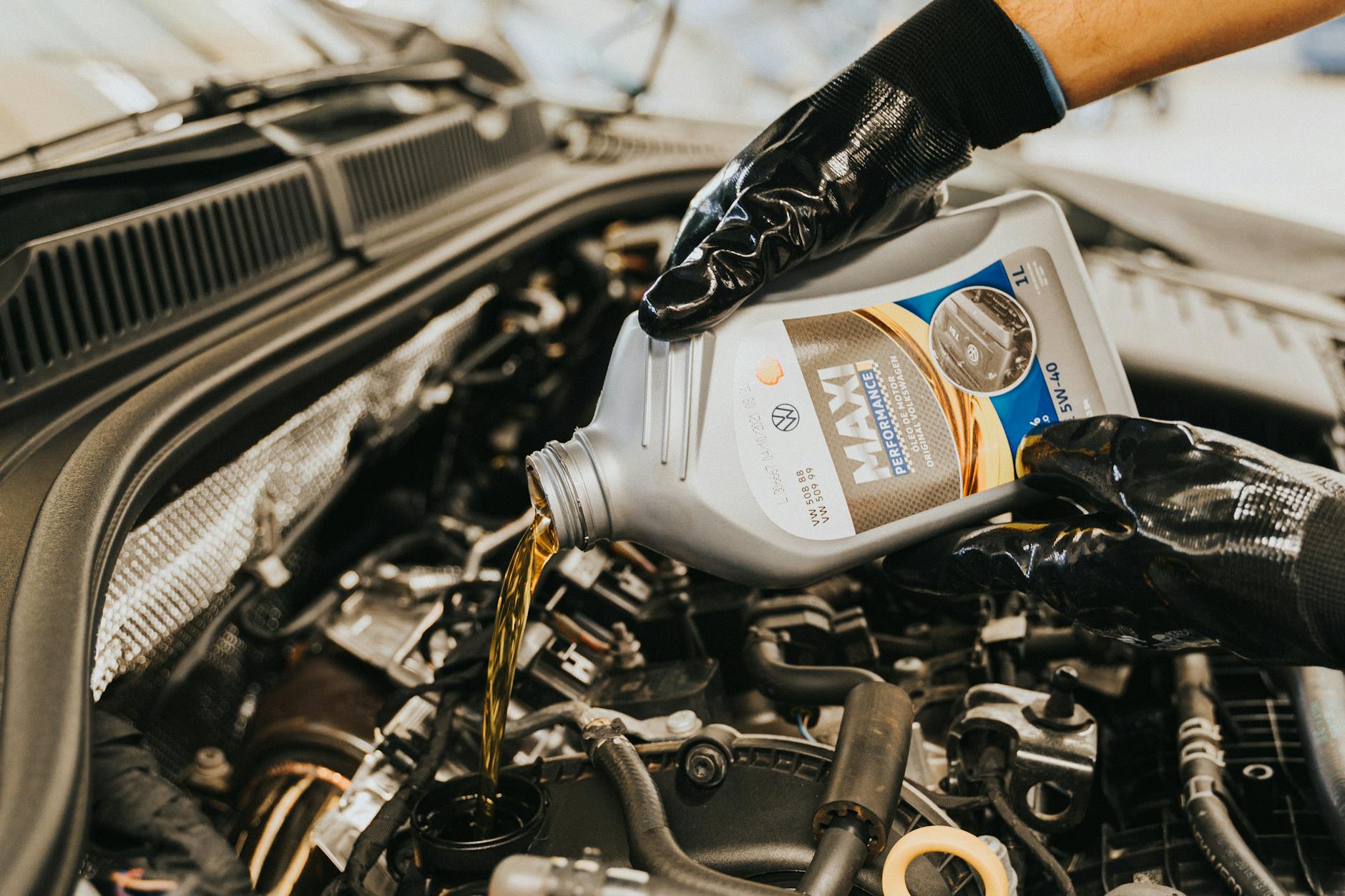
When you think about car maintenance, the first thing that likely pops into your head is the regular oil change. It’s the cornerstone of keeping your engine running smoothly, and for good reason. However, relying solely on oil changes to keep your vehicle in top condition is like only brushing your teeth without flossing – you’re missing out on crucial steps that significantly impact long-term oral health. Your car’s “health” is no different.
Ignoring other vital, yet often overlooked, maintenance tasks can lead to premature wear and tear, reduced fuel efficiency, and even costly repairs down the line. These seemingly minor tasks play a huge role in the overall performance, safety, and longevity of your vehicle. Let’s dive beyond the oil change and explore these essential maintenance areas that truly impact your car’s well-being.
The Importance of Regular Brake Inspections
Your brakes are arguably the most critical safety feature on your car. While you might not notice small changes in their performance until it’s too late, regular brake inspections are non-negotiable. Over time, brake pads wear down, rotors can become warped, and brake fluid can degrade, all of which compromise stopping power.
What to Look For:
- Squealing or Grinding Noises: This is often the first sign that your brake pads are worn and need replacement.
- Spongy Brake Pedal: If your brake pedal feels soft or goes down further than usual, it could indicate air in the brake lines or a problem with the brake fluid.
- Vibrations When Braking: This can be a sign of warped brake rotors.
- Reduced Responsiveness: If you feel like you have to press harder or longer to stop, it’s time for an inspection.
Ignoring brake issues not only puts you in danger but also increases the risk of further damage to more expensive components like the rotors and calipers.
Tire Health: More Than Just Tread Depth
Tires are your car’s only direct contact with the road, making their condition paramount for safety, handling, and fuel efficiency. While tread depth is a major factor, it’s not the only one. Proper tire pressure, regular rotations, and wheel alignment are equally crucial.
Key Tire Maintenance Aspects:
- Tire Pressure: Incorrect tire pressure, whether too high or too low, affects handling, tire wear, and fuel economy. Check your vehicle’s recommended tire pressure (usually found on a sticker in the driver’s side doorjamb).
- Tire Rotation: Rotating your tires at recommended intervals ensures even wear, extending their lifespan and improving vehicle stability.
- Wheel Alignment: Misaligned wheels can cause uneven tire wear, pulling to one side, and decreased fuel efficiency.
- Balancing: Uneven weight distribution in tires, leading to vibrations, can be corrected with wheel balancing.
Well-maintained tires contribute to a smoother ride, better grip in various weather conditions, and ultimately, a safer driving experience.
Cooling System Checks: Preventing Overheating
The cooling system is the unsung hero that keeps your engine from overheating, especially during demanding conditions. It circulates coolant to absorb excess heat and dissipate it. If this system fails, your engine can suffer catastrophic damage.
Essential Cooling System Maintenance:
- Coolant Level and Condition: Regularly check your coolant level (when the engine is cool) and ensure the coolant itself is clean and not rusty or sludgy.
- Hose and Belt Inspection: Creased, cracked, or bulging hoses are a sign they need replacement. Worn or frayed belts can also impact the cooling system’s effectiveness.
- Thermostat Function: The thermostat regulates engine temperature. If it malfunctions, it can lead to overheating or the engine running too cool.
- Radiator Cap: A faulty radiator cap can prevent the system from maintaining proper pressure, leading to coolant loss and overheating.
Regular checks and timely coolant flushes are vital to prevent expensive engine repairs caused by overheating.
Fuel System Cleaning: Maximizing Performance and Efficiency
Over time, deposits can build up in your fuel injectors, throttle body, and other fuel system components. This buildup can lead to a myriad of problems, including reduced engine power, rough idling, poor acceleration, and decreased fuel efficiency.
Benefits of Fuel System Cleaning:
- Improved Engine Performance: Clean injectors deliver fuel more efficiently, leading to better combustion and more power.
- Enhanced Fuel Economy: By optimizing fuel delivery, your car will use fuel more effectively, saving you money at the pump.
- Smoother Idling and Acceleration: Removing deposits eliminates common issues like rough idling and hesitation during acceleration.
- Reduced Emissions: A more efficient combustion process leads to cleaner emissions.
While not as frequent as an oil change, periodic fuel system cleaning can dramatically improve your car’s overall health and how it performs.
Air Filter Replacement: The Lungs of Your Engine
Your engine needs air to combust fuel. The air filter’s job is to ensure that only clean air enters the combustion chamber. A clogged or dirty air filter restricts airflow, forcing your engine to work harder and reducing its efficiency.
Why Air Filter Replacement Matters:
- Increased Fuel Efficiency: A clean air filter allows your engine to breathe freely, leading to better gas mileage.
- Improved Acceleration: When your engine gets the air it needs, it can respond more quickly.
- Extended Engine Life: Preventing dirt and debris from entering the engine protects internal components from wear and tear.
- Reduced Strain on Engine Components: A struggling engine due to a dirty air filter can put undue stress on other parts.
Air filters are inexpensive and easy to replace, making it a simple yet highly impactful maintenance task that many drivers overlook.
By incorporating these often-overlooked maintenance tasks into your regular car care routine, you’re not just preventing problems; you’re actively investing in your vehicle’s longevity, safety, and optimal performance. Don’t wait for a warning light or a noticeable issue – take proactive steps today to ensure your car stays healthy for miles to come. Schedule a comprehensive inspection with your trusted mechanic and discuss these vital maintenance points to keep your car running at its best.
Frequently Asked Questions (FAQ)
Why are regular brake inspections so important?
Brakes are your primary safety system. Regular inspections ensure your brake pads, rotors, and fluid are in good condition, guaranteeing your ability to stop effectively and prevent accidents.
How often should I rotate my tires?
Generally, tire rotation is recommended every 5,000 to 7,500 miles, or about every other oil change. Always check your vehicle’s owner’s manual for specific recommendations.
What are the signs of a cooling system problem?
Common signs include the engine temperature gauge reading higher than normal, steam coming from under the hood, coolant leaks, or a sweet smell indicating a coolant leak.
Can a dirty air filter really affect my fuel economy?
Yes, absolutely. A clogged air filter restricts airflow, forcing the engine to work harder and consume more fuel to achieve the same performance. Replacing it is a simple way to improve gas mileage.
How often should I consider a fuel system cleaning?
The frequency of fuel system cleaning depends on driving habits and fuel quality. A professional can advise, but generally, a cleaning every 30,000 to 50,000 miles is a good guideline for many vehicles.