
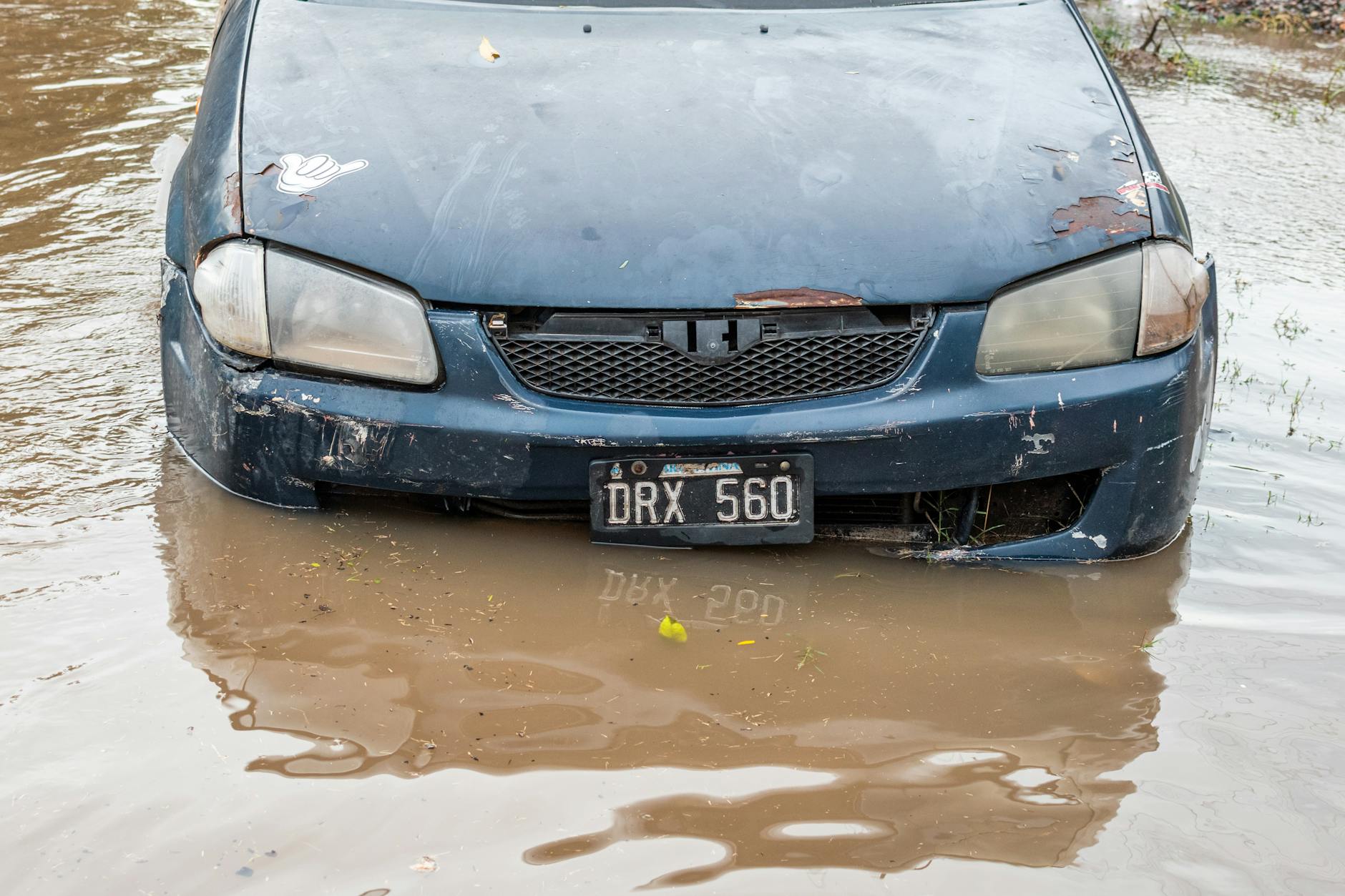
Shopping for a used car can be an exciting journey, but it is also a process fraught with potential pitfalls. One of the most dangerous traps a buyer can fall into is purchasing a flood-damaged vehicle. After major storms or hurricanes, thousands of water-damaged cars often flood the secondary market, scrubbed clean and looking like bargains. However, underneath that shiny wax job lies a ticking time bomb of electrical failures, structural rust, and health-hazardous mold.
A car that has been submerged in water is never the same again. While modern detailing can mask the immediate visual signs of water damage, the long-term effects on the engine, transmission, and onboard computers are inevitable. For an unsuspecting buyer, the financial consequences can be devastating, as these vehicles often carry “salvage” or “rebuilt” titles that significantly lower their resale value—or worse, they are “title washed” to hide their dark history.
Before you hand over a deposit or sign a bill of sale, you need to play detective. Spotting a lemon requires more than just a quick walkaround; it requires a keen eye for subtle details that scammers try to hide. In this guide, we will walk you through the essential steps to identify a flood-damaged car so you can protect your investment and stay safe on the road.
1. Use Your Senses: The “Sniff Test” and Visual Clues
The first and most reliable indicator of water damage is often the smell. Water trapped in carpets, seat foam, and door panels creates a distinct environment for bacteria to thrive. Even if a seller has professionally cleaned the car, certain signs are hard to erase.
- The Musty Odor: If the interior smells like damp socks or a mildewed basement, walk away. Conversely, be wary of a car that smells overwhelmingly of air fresheners or cleaning chemicals, as the seller may be trying to mask a foul scent.
- Mismatched Upholstery: Does the carpet look brand new in an older car? If the upholstery doesn’t match the wear and tear of the rest of the interior, it might have been replaced due to flood damage.
- Soggy Carpets: Press your hand firmly into the lowest points of the floorboards. If the padding underneath feels damp, it’s a major red flag.
2. Look for “The High-Water Mark” and Hidden Debris
Floodwaters are never clean; they carry silt, mud, and debris that settle into the smallest crevices of a vehicle. Even a meticulous detailer will often miss these hard-to-reach spots.
Check the Trunk and Spare Tire Well
The trunk is one of the most overlooked areas during a cleanup. Lift the carpet and inspect the spare tire well. Look for standing water, silt, or a distinct line of rust that indicates how high the water rose.
Inspect the Engine Bay
Open the hood and look for dirt or debris in places it shouldn’t be. Check the crevices of the alternator, the cooling fins of the radiator, and behind the battery. If you see dried mud or grass tucked away in these areas, the car was likely submerged.
Check Under the Dashboard
Use a flashlight to look under the dashboard and behind the pedals. Metal components that aren’t painted or treated for rust (like the steering column or seat springs) will show signs of premature oxidation if they have been underwater.
3. Electrical Gremlins and Component Testing
Modern vehicles are computers on wheels. When water hits the intricate wiring and sensors, it triggers corrosion that might not cause a failure immediately but will lead to erratic behavior later on. Testing every electronic feature is non-negotiable.
- The Dashboard Lights: Turn the ignition key to the “on” position without starting the engine. Ensure every warning light (ABS, Airbag, Check Engine) illuminates. If a specific light doesn’t turn on, the bulb may have been removed to hide a permanent fault.
- Interior Functions: Test the power windows, radio, wipers, and turn signals. Flickering lights or slow-moving windows often indicate corroded connections.
- Audio System: Turn up the speakers. Water damage often ruins the paper cones in speakers, resulting in a distorted or “crackly” sound.
4. Examine the Exterior and Undercarriage
While the interior tells one story, the exterior and the “belly” of the car tell another. Flood damage often leaves physical marks on the lighting systems and the frame.
Foggy Headlights and Taillights
Check the headlight and taillight housings for fogging or beads of moisture inside the lens. While some condensation is normal in certain climates, a visible water line inside the light assembly is a classic sign of submersion.
Excessive Undercarriage Rust
While some surface rust is normal on older cars, look for pitting or flaking metal on the suspension components and exhaust system. If a relatively new car looks like it has been sitting in a salt marsh for years, it probably was.
The Air Filter Check
Ask the seller to let you see the engine air filter. A filter that shows signs of being water-stained or brittle, or one that has dried mud in the air intake box, is proof that water entered the engine’s breathing system.
5. Verify the Vehicle History and Documentation
Physical inspections are vital, but digital records can provide the final piece of the puzzle. Scammers often move flood cars to different states to “wash” the title and clear the “salvage” brand.
- Run a VIN Check: Use services like Carfax, AutoCheck, or the National Insurance Crime Bureau’s (NICB) free VinCheck tool. These databases track insurance claims related to flood and fire damage.
- Check the Title Location: If the car spent its life in a region recently hit by a hurricane or major flooding, exercise extreme caution.
- Professional Inspection: If you are still unsure, hire a certified mechanic for a Pre-Purchase Inspection (PPI). They can use diagnostic scanners to find “hidden codes” stored in the car’s computer that indicate past electrical surges.
Conclusion
A flood-damaged car is a financial liability that puts your safety at risk. While the low price tag may be tempting, the costs of replacing fried control modules or dealing with a rusted frame far outweigh the initial savings. By using your senses, checking hidden crevices for debris, and verifying the vehicle’s history, you can shop with confidence. Never rush into a deposit—if something feels wrong, trust your gut and walk away.
Are you looking for a reliable, inspected vehicle? Contact our team today for a list of certified pre-owned options, or browse our latest inventory to find your next car with total peace of mind!
Frequently Asked Questions
Can a flood-damaged car be fully repaired?
While mechanical components like the engine can sometimes be flushed and repaired, the corrosion in the electrical system and wiring harnesses is almost impossible to stop. Over time, these wires will degrade, leading to unpredictable safety failures.
What does “title washing” mean?
Title washing is an illegal practice where a seller moves a vehicle with a “salvage” or “flood” brand to a state with different disclosure laws to obtain a “clean” title. This hides the car’s history from future buyers.
Is it ever safe to buy a car that was in a flood?
Generally, no. Unless you are a professional mechanic looking for a parts car or a restoration project, the risks of mold, electrical shorts, and structural rust make these vehicles unsafe for daily commuting and household use.