
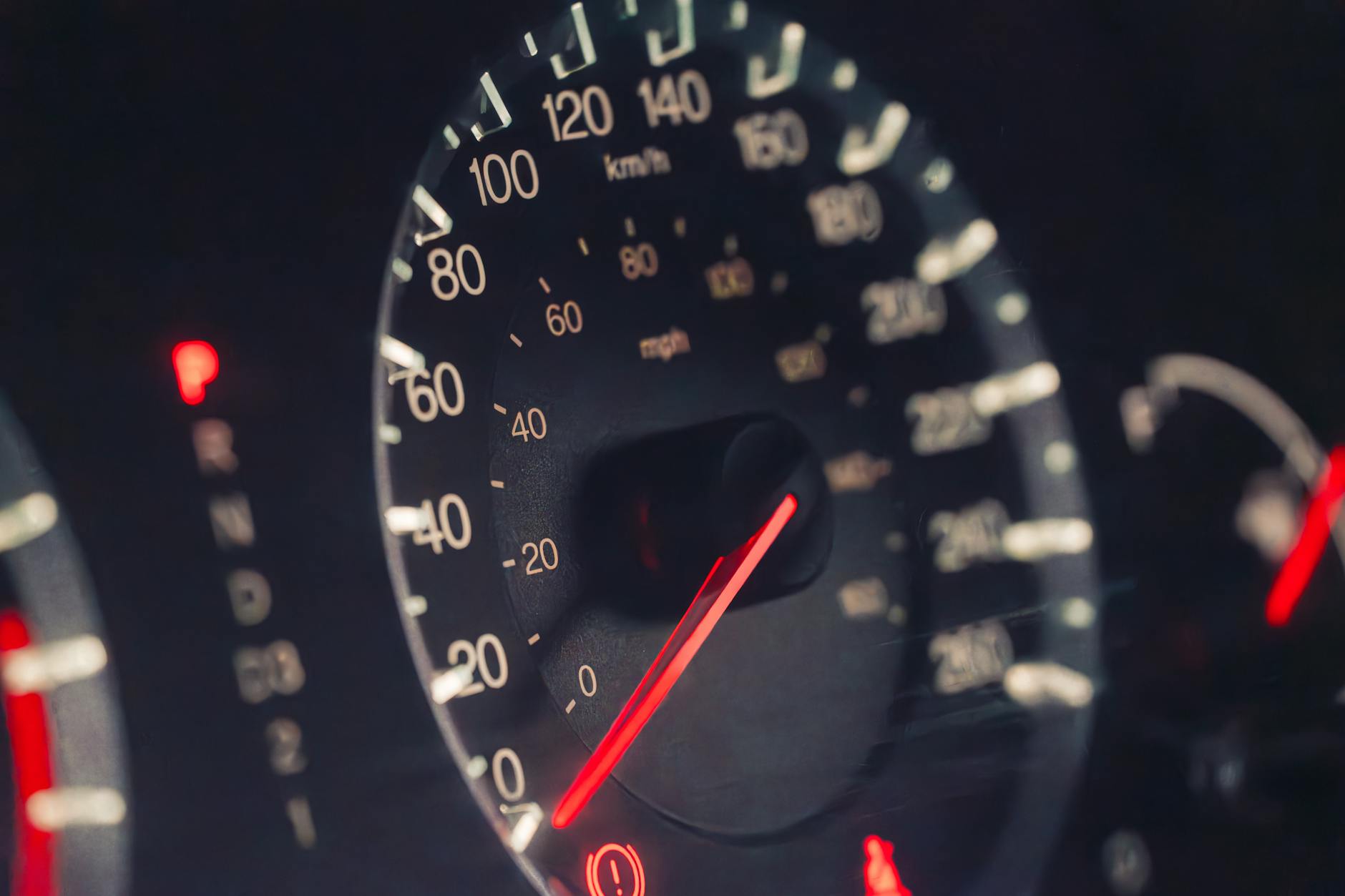
Buying a used car is often a balancing act between finding a fair price and ensuring the vehicle’s longevity. One of the most critical factors in this equation is the mileage. However, as digital technology has evolved, so have the methods for dishonest sellers to manipulate vehicle data. Odometer fraud, or “clocking,” remains a prevalent issue in the automotive market, affecting hundreds of thousands of vehicles every year.
When an odometer is rolled back, it doesn’t just inflate the price of the car; it hides potential mechanical failures and upcoming maintenance costs that the buyer isn’t prepared for. Knowing How to verify odometer accuracy is no longer just a tip for car enthusiasts—it is a vital skill for any savvy consumer looking to protect their investment and their safety on the road.
In this comprehensive guide, we will explore the red flags of mileage tampering, the digital tools you can use to cross-reference data, and the physical signs of wear that should (or shouldn’t) match the numbers on the dashboard. By the end of this article, you will be equipped to spot a tampered odometer from a mile away.
1. Check the Vehicle History Report (VHR)
The first and most effective line of defense against odometer fraud is a comprehensive vehicle history report. Services like CARFAX or AutoCheck aggregate data from insurance companies, police reports, and DMV records to create a chronological timeline of a car’s life.
- Consistency is Key: Ensure that the mileage increases logically over time. If a report shows 80,000 miles in 2021 but only 60,000 miles in 2023, you are looking at definitive proof of tampering.
- Service Intervals: Look for oil changes, tire rotations, and inspections. These records almost always include the mileage at the time of service.
- Title Brands: Sometimes, a “Not Actual Mileage” brand is placed on a title if the state discovers a discrepancy. Always verify the physical title document.
2. Examine Physical Wear vs. Reported Mileage
A car’s odometer might say 30,000 miles, but the physical condition of the interior and “touchpoints” often tells a different story. If the numbers don’t match the level of wear and tear, it’s time to be suspicious.
Interior Red Flags
Check the brake pedal and the accelerator. If the rubber pads are worn down to the metal, or if they look brand new on a car supposedly driven for 50,000 miles, they may have been replaced to hide high usage. Similarly, look for significant sagging or cracks in the driver’s seat upholstery and heavy wear on the steering wheel or gear shifter.
Exterior and Mechanical Clues
Inspect the tires. A car with less than 20,000 miles should likely still have its original tires. Check the DOT date code on the sidewall to see if the tires are newer than the car itself. Under the hood, look for service stickers on the radiator or timing belt cover that might indicate the mileage of the last major repair.
3. Digital Odometer Scrutiny
Many people believe that digital odometers are impossible to hack. In reality, they are often easier to manipulate than old mechanical ones using inexpensive software and “mileage correction” tools found online. However, these digital hacks often leave electronic fingerprints.
- Dashboard Alignment: On some digital displays, if the instrument cluster has been removed or tampered with, the numbers may be misaligned or flicker strangely.
- The “Tamper Dot”: Certain manufacturers (such as BMW) have a small “manipulation dot” or a specific symbol that appears on the digital display if the mileage stored in the instrument cluster does not match the mileage stored in the car’s ECU (Electronic Control Unit).
- Diagnostic Scanners: A professional mechanic can use an OBD-II scanner to pull mileage data from other modules, like the transmission or lighting control module, which fraudsters often forget to reset.
- Scratches and Tool Marks: Look for scratches on the clear plastic cover or pry marks around the edges of the dashboard. These suggest that the cluster was removed to access the circuit board or the mechanical gears.
- Loose Screws: Check if the screws holding the dashboard in place are missing or show signs of being turned (paint wear or stripping).
- Alignment of Numbers: On older mechanical odometers, the numbers should be perfectly aligned. If they are crooked, have gaps between them, or wiggle when you tap on the dash, the gears have likely been manually turned back.
4. Review Maintenance Records and Stickers
While digital reports are great, physical evidence found within the car is often the “smoking gun” in fraud cases. Sellers who tamper with odometers often overlook the small details hidden in the glove box or under the hood.
Search for oil change stickers on the top left corner of the windshield or on the door frame. These often list the date and the mileage when the next service is due. If the sticker says “Next service at 105,000 miles” but the dashboard shows 75,000 miles, the seller has some explaining to do.
Furthermore, ask for the original owner’s manual. Often, maintenance logs are stamped by dealerships. If pages are missing or look like they’ve been tampered with, consider it a major warning sign. Authentic documentation is the hallmark of a transparent sale.
5. Inspect the Dashboard Hardware
If you suspect the odometer has been physically altered, take a close look at the instrument cluster housing. This is the plastic assembly that holds the speedometer and odometer.
In conclusion, verifying odometer accuracy requires a combination of digital research and old-fashioned detective work. Never take the number on the dash at face value. By cross-referencing vehicle history reports, inspecting physical wear, and looking for signs of mechanical tampering, you can avoid falling victim to a costly scam.
Before you sign any papers, always have the vehicle inspected by a certified mechanic. They have the tools and experience to spot discrepancies that the average buyer might miss. Protect your wallet and your safety by doing your due diligence today!
Frequently Asked Questions
Is it illegal to change the mileage on a car?
Yes, in most jurisdictions, including the US and EU, it is a federal crime to disconnect, reset, or alter a vehicle’s odometer with the intent to change the mileage reading. This is known as odometer fraud.
Can a digital odometer be rolled back?
Yes. While digital odometers don’t have physical gears, they can be reprogrammed using specialized software that plugs into the vehicle’s diagnostic port (OBD-II). This is why checking secondary control modules is essential.
Does a vehicle history report always show if an odometer was tampered with?
Not always. A report is only as good as the data reported to it. If a car was serviced at a “shade tree” mechanic who didn’t report mileage, the discrepancy might not appear. It should be used as one of several verification tools.
What should I do if I discover mileage tampering after buying a car?
You should contact your local consumer protection agency or the DMV. You may be entitled to legal recourse, including a refund or damages, and the seller could face criminal charges.