
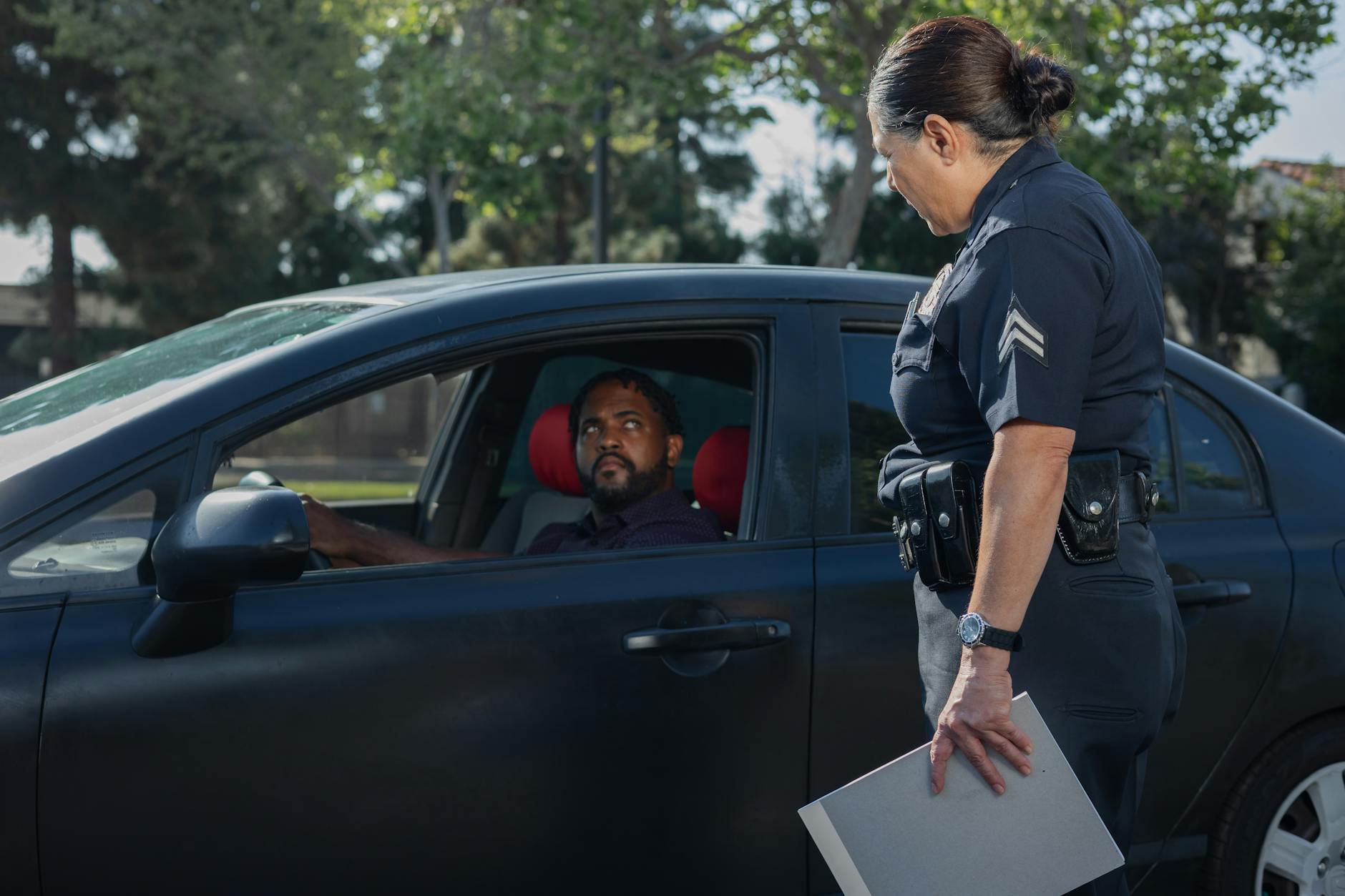
Navigating the open road Is a fundamental part of modern life, offering freedom and convenience. However, this freedom comes with a significant responsibility: adherence to traffic laws. Every state in the U.S. has its own unique set of driving rules, designed to ensure the safety of all road users – drivers, cyclists, and pedestrians alike. Understanding these regulations isn’t just about avoiding tickets; it’s about fostering a culture of responsible driving that minimizes accidents and keeps our communities safe.
This comprehensive breakdown aims to equip you with the essential knowledge of your state’s driving rules. We’ll delve into key areas, from speed limits and lane usage to the critical aspects of impaired driving and distracted driving. By familiarizing yourself with these vital regulations, you can become a more confident, capable, and, most importantly, a safer driver on every journey.
Speed Limits: Finding the Right Pace for Safety
Speed limits are perhaps the most visible and frequently encountered driving rule. They are not arbitrary numbers etched onto signs; they are carefully determined based on factors like road design, visibility, traffic volume, and the presence of intersections or pedestrian zones. Exceeding the posted speed limit can significantly reduce your reaction time and increase the severity of any potential collision. Conversely, driving too slowly can also pose a hazard, creating unexpected braking situations for following vehicles.
Understanding Posted Limits
Typically, speed limits are posted for different road types:
- Urban/Residential Areas: Lower speeds are enforced to protect pedestrians and children.
- Highways/Interstates: Higher speed limits are generally permitted due to road design and separation from local traffic.
- School Zones/Construction Zones: Significantly reduced speeds are mandatory when children are present or work is being performed.
It’s crucial to remember that posted speed limits are maximums. You are expected to drive at a speed appropriate for the prevailing conditions, which may be slower than the posted limit due to rain, fog, snow, ice, or heavy traffic. Safe driving always prioritizes adapting your speed to the environment.
Lane Usage and Overtaking: Smooth Sailing on the Road
Proper lane discipline is essential for the orderly flow of traffic and preventing accidents. Understanding when and How to change lanes, as well as the rules for overtaking, helps avoid collisions and frustration.
Basic Lane Rules
- Right-Hand Driving: In the U.S., vehicles generally drive on the right side of the road.
- Lane Keeping: Unless overtaking or turning, you should remain within your lane. Drifting between lanes is a common cause of accidents.
- Passing on the Left: The general rule is to overtake slower vehicles on the left. Always check your mirrors and blind spots before initiating a pass.
- Passing on the Right: This is generally prohibited unless the vehicle you are passing is signaling a left turn or is in a lane designated for a left turn.
Always signal your intentions well in advance of any lane change or overtaking maneuver. This gives other drivers ample time to react. Defensive driving involves anticipating the actions of others and positioning your vehicle accordingly.
Impaired Driving: Zero Tolerance for Safety
Driving under the influence of alcohol or drugs is one of the most dangerous and irresponsible actions a driver can take. Impaired driving drastically impairs judgment, coordination, and reaction time, making accidents almost inevitable.
Understanding Legal Limits
Each state has a legal blood alcohol concentration (BAC) limit. For drivers aged 21 and over, this is typically 0.08%. For commercial drivers, it’s often lower (0.04%), and for drivers under 21, there may be zero-tolerance laws.
It’s important to note that even a small amount of alcohol can impair driving ability. Furthermore, many prescription and over-the-counter medications can cause drowsiness and affect driving performance. Always read medication labels and consult your doctor or pharmacist if you have any doubts. Never drink and drive; designate a sober driver, use ride-sharing services, or call a taxi.
Distracted Driving: Keeping Your Eyes on the Road
In today’s technological world, distracted driving has become a pervasive and deadly menace. Anything that takes your attention away from the task of driving – whether visual, manual, or cognitive – can lead to a crash.
Common Distractions
- Mobile Phones: Texting, calling, browsing social media, or using GPS are major culprits. Many states have strict laws against handheld device use while driving.
- Eating and Drinking: Juggling food or drinks can divert your attention.
- Passengers: Engaging in intense conversations or dealing with unruly children can be distracting.
- Adjusting Controls: Tuning the radio, adjusting climate control, or fiddling with navigation systems.
- Daydreaming: Even unintentional mental lapses can be dangerous.
The safest approach is to eliminate all potential distractions before you start driving. Pull over if you need to make a call or send a text. Focus on driving and commit to arriving safely.
Pedestrian and Cyclist Safety: Sharing the Road Responsibly
Roads are not exclusively for motor vehicles. Pedestrians and cyclists have a right to use them, and drivers have a responsibility to share the road safely and respectfully with them.
Key Regulations
- Crosswalks: Drivers must yield to pedestrians in marked and unmarked crosswalks, especially at intersections where there are no traffic signals.
- Bicycles on the Road: In many states, bicycles are considered vehicles and have the same rights and responsibilities as motorists. Drivers should give cyclists ample space when passing.
- Sidewalks: Unless prohibited, cyclists may ride on sidewalks. Drivers exiting driveways or alleys must yield to pedestrians and cyclists on sidewalks.
- Visibility: Drivers should be extra vigilant for pedestrians and cyclists, especially at dawn, dusk, and night.
Understanding and respecting the rights of vulnerable road users is paramount to creating a safer road environment for everyone. Always be aware of your surroundings and anticipate the presence of pedestrians and cyclists.
Mastering your state’s driving rules is an ongoing commitment to safety. By staying informed, practicing responsible driving habits, and always prioritizing caution, you contribute to making our roads safer for yourself and for everyone else. Don’t just drive; drive with awareness, drive with respect, and drive with safety as your utmost priority.
Frequently Asked Questions (FAQ)
What is the legal BAC limit in my state?
The most common legal Blood Alcohol Concentration (BAC) limit for drivers aged 21 and over in most U.S. states is 0.08%. However, this can vary, and stricter limits exist for commercial drivers and those under 21. It’s essential to check your specific state’s Department of Motor Vehicles (DMV) website for the most accurate information.
Am I allowed to use my phone while driving?
Many states have implemented laws restricting or prohibiting the use of handheld electronic devices, such as smartphones, while driving. This often includes texting, making calls, and browsing the internet. Some states allow hands-free use, but even then, cognitive distraction is a concern. Always consult your state’s laws regarding electronic device usage while operating a vehicle.
What should I do if I encounter an emergency vehicle with its lights and sirens on?
When you see or hear an emergency vehicle with active lights and sirens approaching, you must safely yield the right-of-way. This typically means pulling over to the right side of the road and stopping until the emergency vehicle has passed. Do not speed up or try to pass the emergency vehicle.
When am I required to yield to pedestrians?
Drivers are generally required to yield to pedestrians in marked crosswalks and at intersections without traffic signals where pedestrians are present. Always be on the lookout for pedestrians, especially in residential areas, school zones, and near public transportation stops. Pedestrians have the right-of-way once they have entered a crosswalk.