
Your car’s braking system Is arguably the most critical safety feature. Without properly functioning brakes, you are putting yourself, your passengers, and everyone else on the road at significant risk. Regular brake system care isn’t just about maintaining your vehicle; it’s about ensuring peace of mind and preventing potentially devastating accidents. This article will guide you through the tell-tale signs that your brakes need attention and provide effective maintenance strategies to keep them in optimal condition.
Understanding how your brakes work and what can go wrong is the first step towards proactive maintenance. From the humble brake pads to the hydraulic fluid that transmits force, every component plays a vital role. Ignoring subtle indicators can lead to more extensive and costly repairs down the line, not to mention jeopardizing your safety. Let’s dive into how you can become a more informed and responsible car owner regarding your brakes.
Recognizing the Warning Signs of Brake Problems
Your vehicle is designed to communicate its needs, and the braking system is no exception. Paying close attention to unusual sounds, sensations, or changes in performance can alert you to problems before they become critical. Here are the most common signs that indicate your brakes require immediate inspection:
1. Squealing or Grinding Noises
Perhaps the most universally recognized brake warning is a high-pitched squeal when you apply the brakes. This sound often comes from the wear indicators on your brake pads; a small metal tab designed to rub against the rotor when the pad material is low, signaling it’s time for replacement. A more concerning sound is a grinding noise, which typically means the brake pads have worn down completely, and the metal backing plate is now grinding against the brake rotor. This can cause significant damage to the rotor, increasing repair costs.
2. Spongy or Soft Brake Pedal
If your brake pedal feels unusually soft, spongy, or goes down further than normal when you press it, this is a serious warning sign. It often indicates a problem with the hydraulic system, such as low brake fluid levels, air in the brake lines, or a leak in the system. This can drastically reduce braking effectiveness, making it harder to stop your vehicle.
3. Vibrations or Pulsations
When you brake, do you feel a pulsing sensation through the brake pedal or the steering wheel? This commonly points to warped brake rotors. Rotors can become uneven or distorted due to excessive heat or frequent hard braking. This uneven surface causes the brake pads to grab and release unevenly, leading to vibrations and reduced stopping power.
4. Vehicle Pulling to One Side
If your car consistently pulls to the left or right when you apply the brakes, it suggests an imbalance in the braking system. This could be due to a sticking brake caliper, a worn brake hose, or a problem with one of the brake pads. Uneven braking can lead to loss of control, especially in emergency situations.
5. Burning Smell
A burning smell during braking, especially after heavy use like descending a steep hill, can indicate that your brakes are overheating. This can be caused by prolonged braking or, more seriously, by a stuck caliper that is constantly applying pressure to the brake pads, even when you’re not braking. Overheating can lead to brake fade and permanent damage to brake components.
Effective Brake System Maintenance Strategies
Preventative maintenance is key to ensuring your braking system remains reliable and safe. By incorporating routine checks and simple upkeep into your vehicle maintenance schedule, you can significantly extend the life of your brakes and avoid unexpected problems. Here are some essential maintenance tips:
1. Regular Visual Inspections
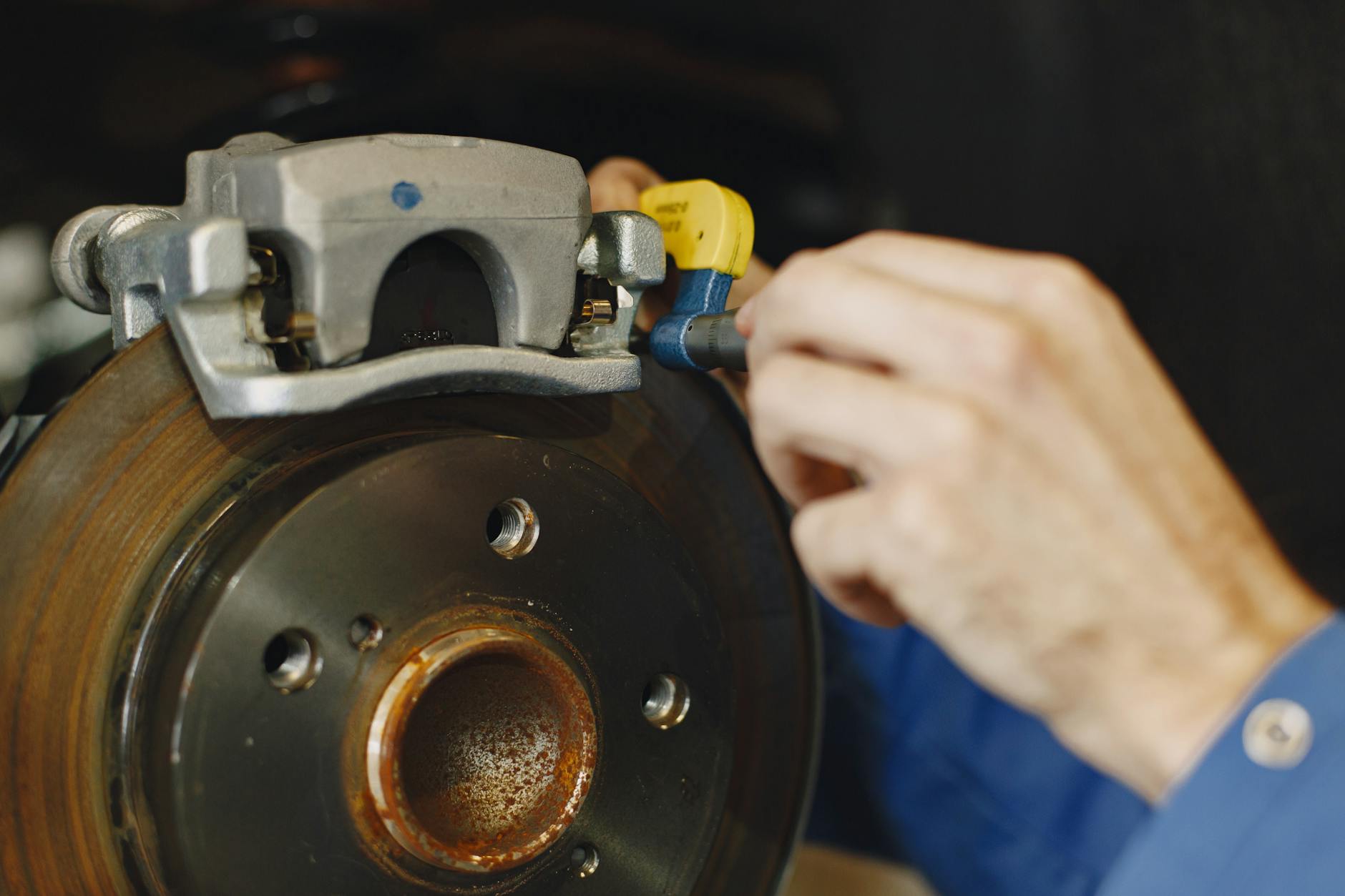
When you have your tires rotated or your oil changed, ask your mechanic to perform a visual inspection of your brake components. They can check the thickness of your brake pads, look for any signs of wear or damage on the rotors, and inspect brake lines for leaks or corrosion. Many car owners can also perform basic visual checks themselves by looking through the spokes of the wheels.
2. Monitor Brake Fluid Levels and Condition
Brake fluid is crucial for the hydraulic operation of your brakes. It’s essential to check the brake fluid level regularly. If it’s low, it could indicate a leak. Furthermore, brake fluid can absorb moisture over time, reducing its effectiveness and potentially leading to corrosion. Most manufacturers recommend flushing and replacing brake fluid every two years.
3. Be Mindful of Your Braking Habits
How you drive significantly impacts brake wear. Smooth braking is far better for your brakes than aggressive, hard stops. Avoid riding the brake pedal, especially on long descents; instead, use lower gears to control your speed. Gradual deceleration allows your brakes to cool and reduces wear and tear.
4. Don’t Ignore Warning Lights
Modern vehicles are equipped with warning lights on the dashboard that illuminate when there’s an issue with the braking system. These can range from low brake fluid to ABS (Anti-lock Braking System) malfunctions. Never ignore these indicators; have them checked by a professional promptly.
5. Professional Service for Brake Repairs
While some basic checks can be done by a car owner, any suspected brake problem should be addressed by a qualified mechanic. They have the specialized tools and knowledge to diagnose and repair issues accurately, ensuring your safety and the longevity of your braking system. Don’t delay in getting professional brake service.
When to Replace Brake Pads and Rotors
Brake pads and rotors are wear items and will eventually need replacement. Knowing when to replace them is vital for consistent stopping power. Brake pads typically have a lifespan of 25,000 to 70,000 miles, varying greatly depending on driving habits and the quality of the pads. Rotors, being more robust, generally last longer, often 70,000 miles or more, but are frequently replaced with the pads if they show signs of significant wear or warping.
The most common indicator for replacing brake pads is the audible squeal from wear indicators, or a visual inspection revealing less than 1/4 inch of friction material remaining. For rotors, warping is diagnosed by feeling pulsations when braking. If rotors are significantly scored, grooved, or have a lip forming on the outer edge, they should be replaced or machined if possible. Always consult your mechanic for an accurate assessment of your brake pad and rotor condition.
Understanding Brake Fluid and Its Importance
Brake fluid is the lifeblood of your hydraulic braking system. It’s a non-compressible fluid that transmits the pressure from your foot on the brake pedal to the brake calipers or wheel cylinders, which then apply force to the brake pads or shoes. Unlike many other automotive fluids, brake fluid is hygroscopic, meaning it absorbs moisture from the atmosphere over time. This absorption lowers the fluid’s boiling point, making it more susceptible to vaporizing under the extreme heat generated during braking. This can lead to “brake fade,” where the pedal feels spongy and braking effectiveness is significantly reduced.
Therefore, regular brake fluid changes are essential. Most vehicle manufacturers recommend flushing and replacing the brake fluid every 2-3 years or as specified in your owner’s manual. This process removes old, contaminated fluid and replaces it with fresh fluid that has a higher boiling point and better lubricating properties, ensuring consistent and reliable braking performance.
The Role of Calipers and Hoses
While brake pads and rotors are the most frequently discussed components, calipers and hoses are equally important to the proper functioning of your braking system. The caliper houses the brake pads and contains one or more pistons that push the pads against the rotor when you brake. If a caliper becomes stuck or corroded, it can lead to uneven braking, premature pad wear, a pulling sensation, or even a burning smell.
Brake hoses are flexible rubber or braided steel lines that carry brake fluid from the master cylinder to the calipers. These hoses can degrade over time due to exposure to heat, road debris, and chemicals. Signs of worn brake hoses include cracking, bulging, or leaks. A damaged brake hose can restrict fluid flow, leading to poor braking performance or a complete loss of braking on that wheel.
Regular inspections should include checking the condition of your brake calipers and hoses for any signs of leaks, corrosion, or physical damage. While more complex to inspect than pads, your mechanic will be able to assess their condition during routine service.
Ensuring your braking system is in top shape is a non-negotiable aspect of car ownership. By understanding the warning signs and adopting a proactive maintenance approach, you can significantly enhance your safety on the road. Don’t wait for a problem to arise; regular brake checks and timely repairs are an investment in your well-being.
Schedule your next brake inspection today and drive with confidence!
FAQ
What are the most common causes of brake failure?
The most common causes of brake failure include worn-out brake pads and rotors, low or contaminated brake fluid, leaks in the hydraulic system (like damaged brake lines or failing master cylinder), and issues with the brake calipers or a sticking brake pedal.
How often should I have my brakes inspected?
It’s generally recommended to have your brakes inspected at least once a year or every 12,000 miles (20,000 km). However, if you notice any of the warning signs mentioned, you should have them inspected immediately, regardless of the schedule.
Can I replace my own brake pads?
While it’s possible for DIY enthusiasts with the right tools and knowledge, replacing brake pads involves critical safety components. If you’re not experienced, it’s highly recommended to have a professional mechanic perform the replacement to ensure it’s done correctly and safely.
What is ABS, and how does it affect brake maintenance?
ABS (Anti-lock Braking System) prevents your wheels from locking up during hard braking, allowing you to maintain steering control. While ABS components require occasional diagnostics, the core maintenance for your braking system (pads, rotors, fluid) remains the same. An illuminated ABS warning light indicates a problem that needs professional attention.