
Your car <a href="https://www.carthold.com/is-a-co-signer-necessary-for-your-car-loan-understanding-the-implications/" title="Is a Co-signer Necessary for Your Car Loan? Understanding the Implications”>Is a significant investment, and like any valuable asset, it requires regular attention to ensure its longevity and optimal performance. While it might seem counterintuitive, the most cost-effective way to maintain your vehicle isn’t by delaying repairs, but by embracing preventative maintenance. Think of it as a proactive approach to car care, a strategy designed to save you money in the long run and prevent those unexpected, stress-inducing breakdowns.
Ignoring minor issues or skipping routine checks can lead to a cascade of problems, transforming small, affordable fixes into major, wallet-draining repairs. Preventative maintenance is all about staying ahead of the curve, identifying potential issues before they escalate. This article will delve into why embracing proactive car care is not just a good idea, but an essential one for any car owner looking to maximize their vehicle’s lifespan and minimize headaches.
The Financial Benefits of Preventative Maintenance
The most compelling argument for preventative maintenance is its direct impact on your finances. While you might see scheduled service appointments as an expense, they are, in fact, an investment. Regular oil changes, filter replacements, and fluid checks are relatively inexpensive when compared to the cost of repairing a damaged engine due to lack of lubrication or replacing severely corroded brake lines caused by neglected fluid changes. Saving money on car repairs starts with smart preventative habits.
Consider the following:
- Reduced Major Repair Costs: Early detection of worn parts or leaks can prevent catastrophic failures. A small service on a timing belt, for instance, is minuscule compared to the extensive engine damage that can occur if it snaps.
- Improved Fuel Efficiency: Properly inflated tires, clean air filters, and a well-tuned engine all contribute to better gas mileage. This translates to significant savings at the pump over time.
- Extended Vehicle Lifespan: Regular maintenance ensures that your car’s components work together harmoniously, reducing wear and tear. This means your vehicle will likely last longer, delaying the need for a costly replacement.
- Higher Resale Value: A well-maintained car with a documented service history is far more attractive to potential buyers and commands a higher resale price.
Avoiding Costly Breakdowns and Headaches
Beyond the financial advantages, preventative maintenance is your best defense against the frustration and inconvenience of unexpected breakdowns. There’s nothing quite like the sinking feeling of your car sputtering to a halt on the side of the road, especially when you’re on a tight schedule or in an unfamiliar area. Avoiding car headaches is a major perk of consistent care.
Implementing a proactive approach means:
- Increased Reliability: When you consistently follow your car’s maintenance schedule, you significantly reduce the likelihood of being stranded. This peace of mind is invaluable.
- Safety Assurance: Critical safety components like brakes, tires, and lights are regularly inspected. This ensures your vehicle is safe for you, your passengers, and other road users.
- Reduced Stress: Knowing your car is in good condition minimizes the anxiety associated with potential problems. You can drive with confidence.
- Convenience: Scheduling maintenance during your preferred time is far more convenient than dealing with an emergency repair that disrupts your entire day or week.
Key Preventative Maintenance Services to Prioritize
While your car’s owner’s manual is The Ultimate guide to specific maintenance needs, several key services are universally important for all vehicles. Prioritizing these will form the backbone of your proactive car care strategy.
Essential Services Include:
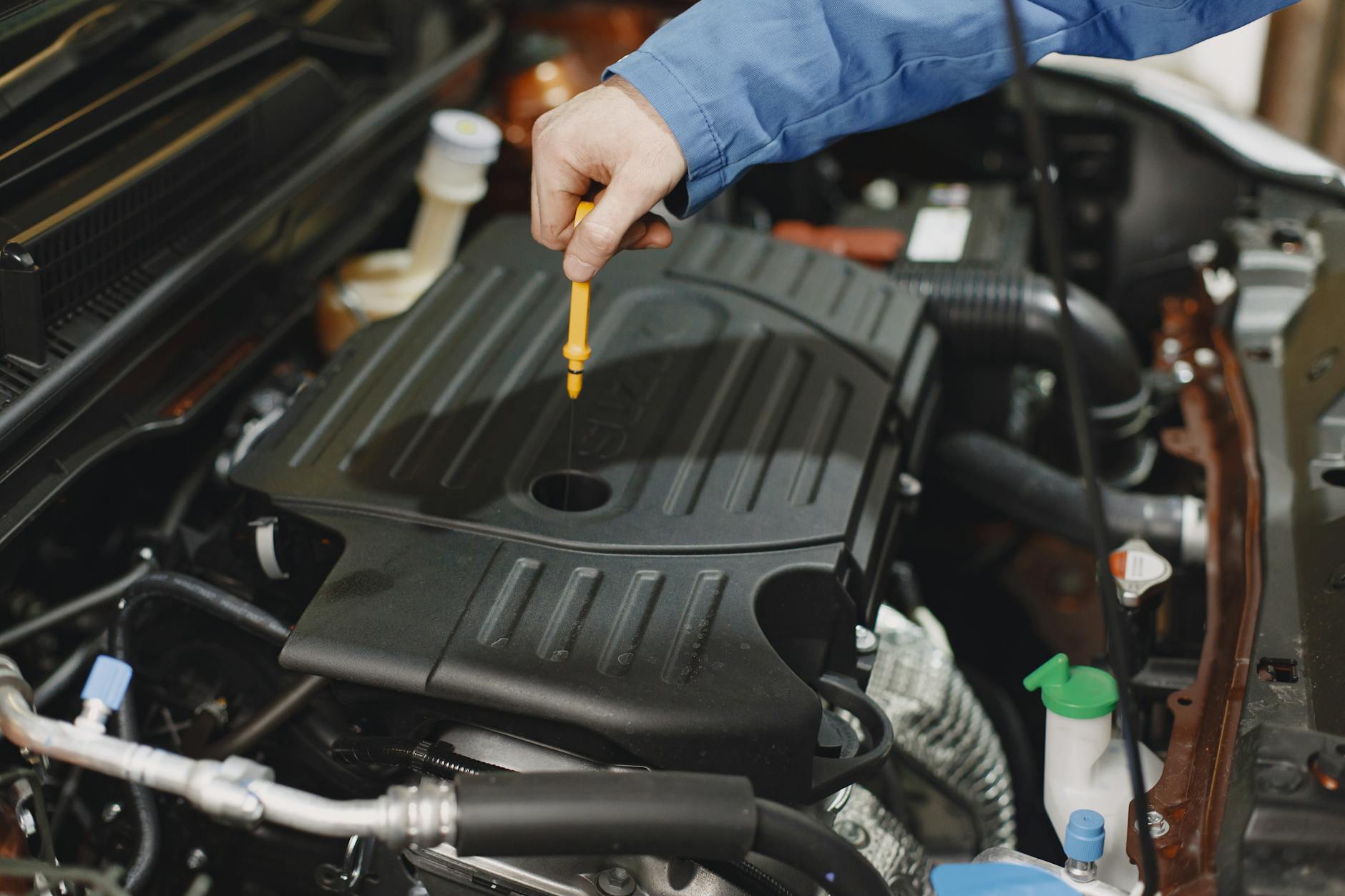
- Oil and Filter Changes: This is the most crucial and frequent maintenance task. Fresh oil lubricates engine parts, reduces friction, and prevents overheating.
- Tire Rotations and Inspections: Regular tire rotation ensures even wear, extending tire life and improving fuel efficiency. Checking tire pressure and tread depth is vital for safety.
- Brake System Checks: Inspecting brake pads, rotors, and fluid is paramount for safe driving. Worn brakes can lead to dangerous stopping distances.
- Fluid Checks and Replacements: This includes coolant, transmission fluid, power steering fluid, and windshield wiper fluid. Low or contaminated fluids can cause serious damage.
- Battery Testing: A dying battery can leave you stranded. Regular checks can identify a weakening battery before it fails.
- Air Filter Replacement: A clogged air filter restricts airflow to the engine, reducing performance and fuel economy.
Understanding Your Car’s Maintenance Schedule
Every vehicle is unique, and its maintenance needs are dictated by its make, model, year, and driving conditions. Your car’s maintenance schedule, found in your owner’s manual, is your roadmap. It outlines recommended service intervals for various components.
It is essential to:
- Consult Your Owner’s Manual: This is your primary resource for understanding your car’s specific needs and recommended service intervals.
- Consider Driving Habits: If you frequently drive in harsh conditions (e.g., stop-and-go traffic, extreme temperatures, dusty roads), you may need to service your car more often than recommended for average driving.
- Keep Records: Maintaining a log of all maintenance performed is beneficial for tracking upcoming services and for demonstrating your car’s care when you decide to sell it.
- Work with a Trusted Mechanic: A good mechanic can help you understand your service schedule and advise on any specific needs for your vehicle.
The Role of Technology in Preventative Car Care
Modern vehicles are equipped with sophisticated technology that aids in preventative maintenance. Many cars now come with built-in car diagnostic systems that can alert you to potential issues.
Here’s how technology helps:
- Engine Warning Lights: These lights are designed to signal a problem detected by the car’s computer. Don’t ignore them; they often indicate issues that can be addressed early.
- Tire Pressure Monitoring Systems (TPMS): TPMS alerts you when your tire pressure is low, which is crucial for safety and fuel efficiency.
- Advanced Diagnostic Tools: Mechanics use advanced scanners to read trouble codes and pinpoint problems, facilitating more accurate and efficient repairs.
- Maintenance reminder apps and services: Many apps and online services can help you track your car’s maintenance schedule and send you reminders for upcoming services.
By staying informed and proactive, you can ensure your vehicle runs smoothly for years to come, saving you both money and stress. Embrace smart car maintenance today!
Frequently Asked Questions (FAQ)
What is the most important preventative maintenance task?
The most frequent and arguably the most important preventative maintenance task is the oil and filter change. Clean oil is vital for lubricating engine components, preventing friction, and managing heat, all of which are essential for engine health and longevity.
How often should I check my car’s tires?
You should check your tire pressure at least once a month and before long trips. Visual inspections for wear and damage should also be done regularly. Tire rotations are typically recommended every 5,000 to 7,500 miles, depending on your vehicle and tire type.
Should I always follow the maintenance schedule in my owner’s manual exactly?
The owner’s manual provides a baseline. However, you should also consider your driving habits and environmental conditions. If you drive in harsh conditions (heavy traffic, extreme heat/cold, dusty areas), you may need to service your car more frequently than the manual suggests for average conditions.
What does it mean if my “Check Engine” light comes on?
The “Check Engine” light indicates that the car’s onboard diagnostic system has detected a problem with the engine or emissions system. It’s important to get it checked by a qualified mechanic as soon as possible to prevent potential further damage or more expensive repairs.
Ready to save money and avoid future headaches? Schedule your next preventative maintenance service today and invest in the long-term health of your vehicle!