
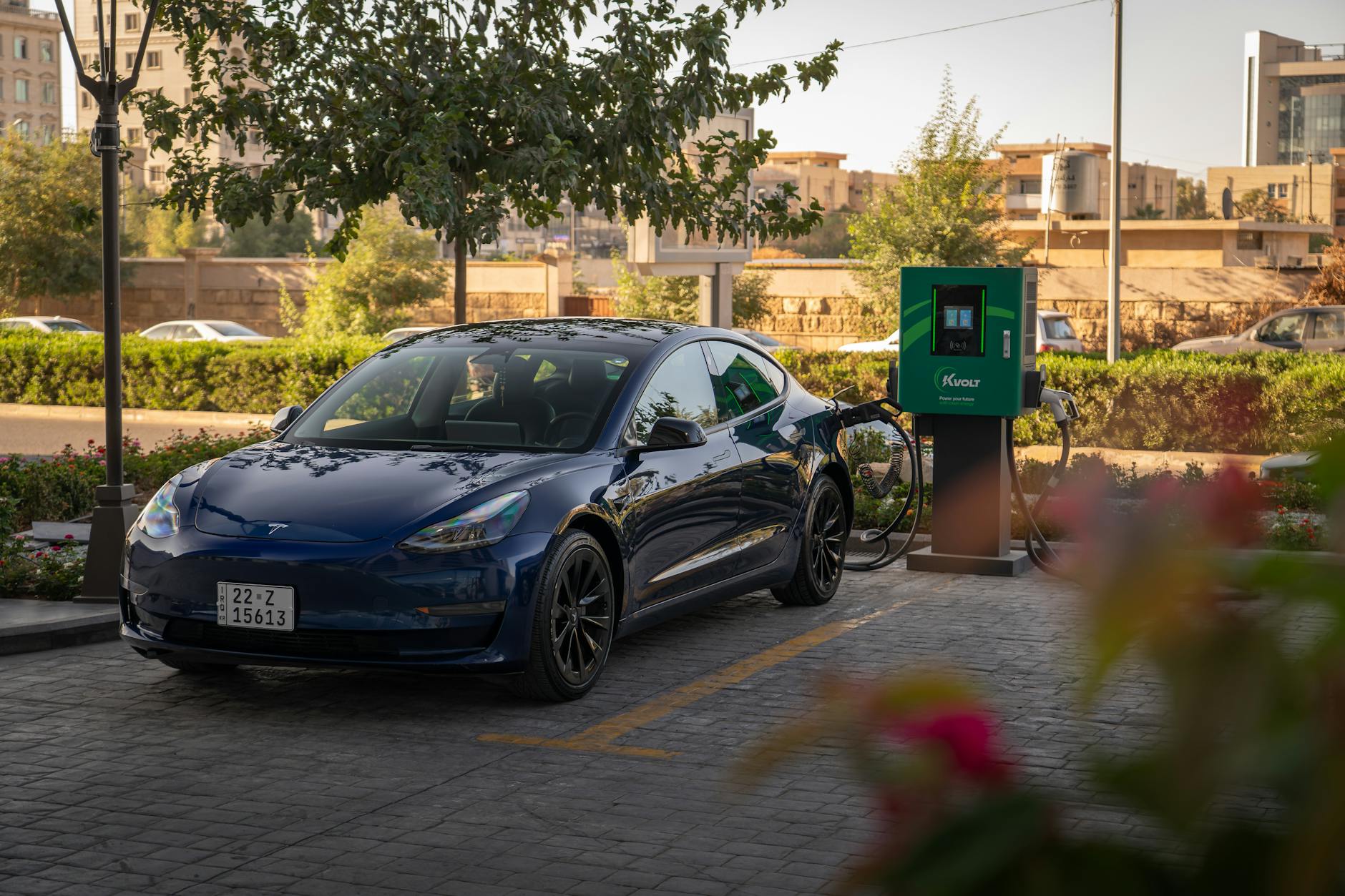
The automotive landscape is undergoing a revolution, and at its forefront is the ascent of the electric vehicle (EV). Once a niche product, EVs are rapidly becoming mainstream, driven by environmental concerns, falling battery costs, and exciting new models. For many consumers, the dream of owning an EV is now a tangible reality. However, purchasing an electric car often involves a significant financial commitment, and understanding your EV financing options is crucial.
The rise of electric vehicle loans is a direct reflection of this growing popularity. As more drivers embrace electric mobility, financial institutions are adapting, offering specialized loan products designed to make EV ownership more accessible. But what exactly are these loans, and what do prospective EV buyers need to know to navigate this evolving market successfully? This guide will delve into the key aspects of electric Car Loans, empowering you with the knowledge to make informed financial decisions.
Understanding EV Loans: The Basics
An electric vehicle loan functions much like a traditional car loan, providing you with the funds necessary to purchase your new or used EV. The lender pays the dealership, and you repay the lender over an agreed-upon period with interest. However, the specifics can sometimes differ from their gasoline-powered counterparts. Lenders may offer unique terms or incentives for EVs due to government subsidies, tax credits, and the growing market demand. It’s essential to compare offers from various lenders, including banks, credit unions, and online lenders, to find the best rates and terms for your situation.
Key Features of EV Loans
- Loan Terms: Typically range from 3 to 7 years, though longer terms may be available for higher-priced EVs.
- Interest Rates (APR): Can vary significantly based on your credit score, the loan term, and the lender. Some lenders might offer slightly lower APRs for EVs due to incentives.
- Down Payment: While not always required, a larger down payment can reduce your monthly payments and the total interest paid over the life of the loan.
- Loan Amount: Covers the purchase price of the EV, including taxes, fees, and any optional add-ons.
Navigating Incentives and Rebates for Cost Savings
One of the most significant advantages of buying an EV is the availability of government incentives and rebates designed to encourage adoption. These can dramatically reduce the out-of-pocket cost of an electric car and, consequently, the amount you need to finance. Federal tax credits, state-level rebates, and local incentives can collectively save you thousands of dollars. Understanding how these apply to your specific EV purchase is paramount when calculating your loan needs and overall affordability.
Types of EV Incentives
- Federal Tax Credits: Available for new EVs that meet certain manufacturing and battery component requirements. The amount can vary.
- State and Local Rebates: Many states and municipalities offer direct rebates or tax credits on EV purchases.
- Utility Company Incentives: Some electricity providers offer rebates for installing home charging stations or for EV owners.
- Reduced Registration Fees: Some areas offer lower annual registration fees for EVs.
It’s crucial to research the specific incentives available in your region and the eligibility criteria for the EV model you are considering. These savings can often be applied as a down payment or can reduce the overall loan amount, leading to lower monthly payments.
Credit Score and Eligibility for EV Loans
As with any loan, your credit score plays a pivotal role in securing an electric car loan and determining the interest rate you’ll receive. A higher credit score generally translates to better Loan Terms and a lower Annual Percentage Rate (APR), meaning you’ll pay less interest over time. Lenders assess your creditworthiness to gauge the risk involved in lending you money.
Tips for Improving Your Chances
- Check Your Credit Report: Before applying for a loan, obtain a copy of your credit report and check for any errors.
- Pay Bills on Time: Consistent, on-time payments are the most crucial factor in building a good credit score.
- Reduce Credit Utilization: Aim to use less than 30% of your available credit.
- Avoid Opening Too Many New Accounts: Applying for multiple loans in a short period can negatively impact your score.
If your credit score is not ideal, consider working with a co-signer or exploring options for improving your credit before applying for a loan. Some lenders also offer pre-approval, which allows you to understand your borrowing capacity with minimal impact on your credit score.
Securing the Best EV Loan Rates: A Step-by-Step Approach
To ensure you get the most favorable terms for your EV financing, a strategic approach is necessary. Shopping around and comparing loan offers is not just recommended; it’s essential. This process helps you identify the lowest APR, longest loan term (if desired), and any associated fees.
The Shopping Process
- Determine Your Budget: Calculate how much you can comfortably afford for a monthly payment, considering the total cost of the EV with incentives.
- Get Pre-Approved: Obtain pre-approval from multiple lenders (banks, credit unions, online lenders) before visiting dealerships. This gives you negotiation power.
- Compare Loan Offers: Look beyond just the APR. Consider the loan term, any origination fees, early repayment penalties, and customer service reputation.
- Negotiate with Dealerships: Once you have your pre-approval, you can use it as leverage to negotiate a better financing deal with the dealership’s finance department. They may be able to match or beat an offer you receive elsewhere.
Remember that the goal is to secure a loan that fits your financial situation and allows you to enjoy your new EV without financial strain.
The Future of EV Loans and Ownership
The EV market is dynamic, and so are the financial products supporting it. As EV technology advances and adoption grows, we can expect further innovations in EV loan offerings. This might include tailored loan products that account for battery life warranties, potential resale value fluctuations, or even bundled deals that include home charger installation and electricity costs. The trend is clearly towards making EV ownership as seamless and affordable as possible.
Emerging Trends
- Green Loans: Some financial institutions are introducing “green loans” with preferential rates for eco-friendly purchases like EVs.
- Leasing Options: EV leasing continues to be a popular alternative, offering lower monthly payments and the flexibility to upgrade to newer models more frequently.
- Battery Warranties and Financing: As battery technology improves, lenders may offer financing options that are more closely tied to the longevity and performance of EV batteries.
Staying informed about these evolving trends will be beneficial for future EV buyers looking to leverage the best financial tools available.
The rise of electric vehicle loans is a positive development that signals the mainstreaming of EVs. By understanding the basics of EV financing, leveraging available incentives, and diligently comparing loan options, buyers can confidently navigate the path to electric ownership. Empower yourself with knowledge, and drive into the future with an EV that fits your lifestyle and your budget.
Ready to make the switch to electric? Start researching EV loans today and compare offers to find the best financing for your new electric vehicle!