
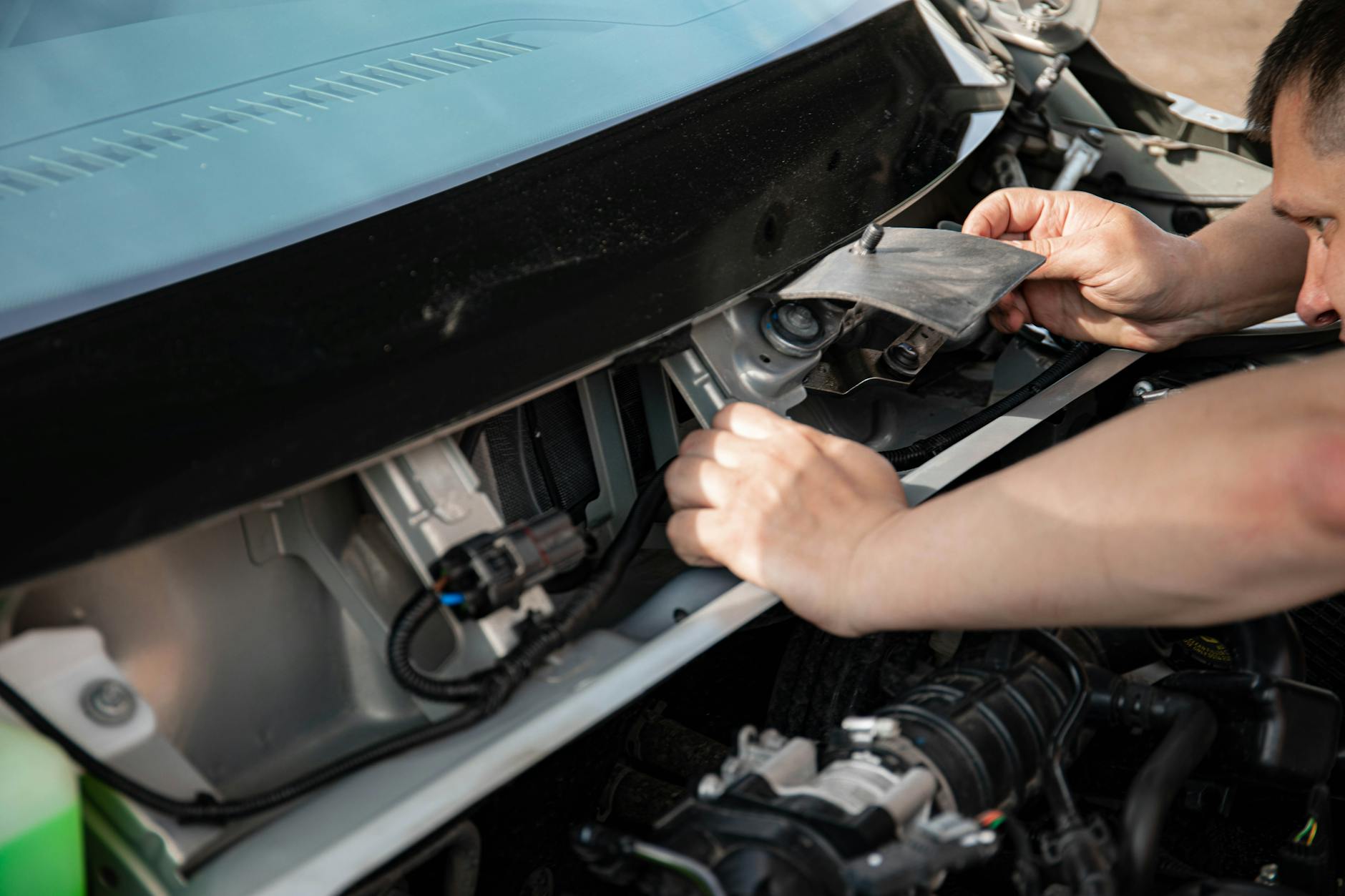
Navigating the world of car maintenance can feel like a minefield. From a seemingly simple oil change to more complex engine troubles, you’re often faced with a crucial decision: can you handle this repair yourself, or is it time to call in the professional mechanics? This DIY vs. professional mechanic debate Is as old as the automobile itself, and the answer isn’t always clear-cut. Your choice can have a significant impact on your wallet, your safety, and the longevity of your vehicle.
For some, the allure of saving money and the satisfaction of a job well done are powerful motivators to roll up their sleeves and tackle car repairs. The internet is brimming with tutorials and guides, making many tasks seem accessible. However, there’s a fine line between a manageable DIY project and a potentially dangerous or costly mistake. Understanding when to embrace your inner mechanic and when to trust the expertise of a seasoned professional is key to smart car ownership.
In this comprehensive guide, we’ll break down the pros and cons of both DIY Car repairs and hiring a mechanic. We’ll help you identify which tasks are best left to the experts and which ones you can confidently tackle yourself, ensuring your vehicle stays in top shape without breaking the bank.
When to Embrace the DIY Mechanic Spirit
The do-it-yourself approach to car repairs can be incredibly rewarding, both financially and personally. However, it’s essential to approach these tasks with a realistic understanding of your skill level and the tools at your disposal. Several factors should guide your decision to go the DIY route:
1. Simpler Maintenance Tasks
Certain routine maintenance jobs are perfect for DIY enthusiasts. These typically don’t require specialized tools or extensive mechanical knowledge and can save you a significant amount of money compared to dealership prices. Examples include:
- Oil Changes: A classic DIY task. Ensure you have the correct oil viscosity, filter, and a wrench.
- Air Filter Replacement: Usually involves unclipping a cover and swapping out the old filter for a new one.
- Wiper Blade Replacement: Most wiper blades can be replaced with a simple click or two.
- Cabin Air Filter Replacement: Often located behind the glove compartment, this is usually a straightforward swap.
- Tire Rotation and Pressure Checks: Essential for tire longevity and fuel efficiency.
2. Availability of Resources and Instructions
The digital age has democratized car repair knowledge. If you can find clear, step-by-step instructions and video demonstrations specifically for your car’s make and model, it significantly reduces the risk of error. Look for:
- Vehicle-Specific Repair Manuals: Often available online or at auto parts stores.
- Reputable Online Forums and Video Tutorials: Sites like YouTube have a wealth of content from experienced DIYers and mechanics.
- Blogs and Websites Dedicated to Car Maintenance: Many offer detailed guides for common repairs.
However, be discerning. Not all online advice is accurate or safe. Prioritize sources that are well-regarded and offer detailed explanations.
When to Call in the Professional Mechanics
While DIY can be empowering, there are clear indicators that it’s time to entrust your vehicle to a professional mechanic. These situations often involve complex systems, safety concerns, or the need for specialized equipment and expertise that the average car owner doesn’t possess.
3. Complex Mechanical or Electrical Systems
Modern vehicles are intricate machines with sophisticated electronic systems. Attempting repairs on these without the proper knowledge and diagnostic tools can lead to further damage and costly mistakes. Consider calling a professional for:
- Engine Diagnostics and Repair: Issues with the engine, transmission, or any internal component require specialized knowledge.
- Brake System Repairs: Especially with advanced electronic braking systems, these are critical for safety.
- Electrical System Troubleshooting: Diagnosing complex wiring issues or problems with ECUs (Engine Control Units) is highly specialized.
- Suspension and Steering Issues: These are vital for vehicle control and stability.
- Exhaust System Repairs: Often requires specialized welding and knowledge of emissions systems.
These repairs require specific diagnostic tools, a deep understanding of how systems interact, and the experience to correctly identify the root cause of a problem.
4. Safety Concerns and Specialized Tools
Your safety and the safety of others on the road depend on your vehicle functioning correctly. Repairs that impact critical safety systems or require specialized, potentially dangerous tools should always be handled by professionals. Think about:
- Airbag System Repairs: These systems are inherently dangerous if mishandled.
- Fuel System Work: Dealing with flammable materials requires extreme caution and expertise.
- AC System Recharging: Requires specific handling of refrigerants due to environmental and safety regulations.
- Any repair involving high-pressure systems: These can cause serious injury if not handled with appropriate safety protocols.
Professional mechanics have the proper safety equipment, training, and specialized tools (like diagnostic scanners, hydraulic lifts, and professional welding equipment) to perform these tasks safely and effectively.
5. Warranty and Insurance Considerations
If your vehicle is still under warranty, attempting DIY repairs can void that warranty, leaving you responsible for future issues. Similarly, significant repairs might be covered by your insurance, and a professional diagnosis and repair estimate will be required.
- Warranty Protection: Always check your vehicle’s warranty terms before undertaking any repairs yourself.
- Insurance Claims: For accident damage or major component failures, professional assessment is usually mandatory for insurance purposes.
Entrusting these to a qualified mechanic ensures that any work done meets manufacturer standards and maintains your warranty or insurance coverage.
Conclusion: Making the Smart Choice
The decision between DIY and professional mechanics boils down to a clear assessment of the task at hand, your confidence in your abilities, and the potential risks involved. For straightforward maintenance and minor repairs, the DIY route can be a smart way to save money and gain a sense of accomplishment. However, for anything that impacts safety, involves complex systems, or requires specialized tools and knowledge, calling in the experts is the wisest and safest option. By understanding these distinctions, you can ensure your car receives the best possible care, keeping you safe on the road and your vehicle running smoothly for years to come.
What’s your next car project? Assess it honestly. If it seems doable and you have the right resources, go for it! If you have any doubts, don’t hesitate to find a trusted local mechanic. Empower yourself with knowledge, but prioritize safety and expertise when it matters most.
FAQ
What are the biggest risks of DIY car repairs?
The biggest risks include causing further damage to the vehicle, compromising safety systems, personal injury due to improper handling of tools or components, and voiding your vehicle’s warranty.
How can I ensure I’m choosing a good professional mechanic?
Look for certifications (like ASE in the US), read online reviews, ask for recommendations from friends and family, and get multiple quotes for larger jobs. A good mechanic should be transparent about their work and pricing.
When is it cheaper to go to a mechanic than DIY?
It can be cheaper to go to a mechanic if the repair requires expensive specialized tools that you would only use once, or if you make a mistake during a DIY repair that leads to more extensive damage, costing more to fix than the original problem.
What tools are essential for basic DIY car maintenance?
Essential tools include a good socket set, wrenches, screwdrivers, a torque wrench, a car jack and jack stands, safety glasses, gloves, and a workshop manual for your specific vehicle.