
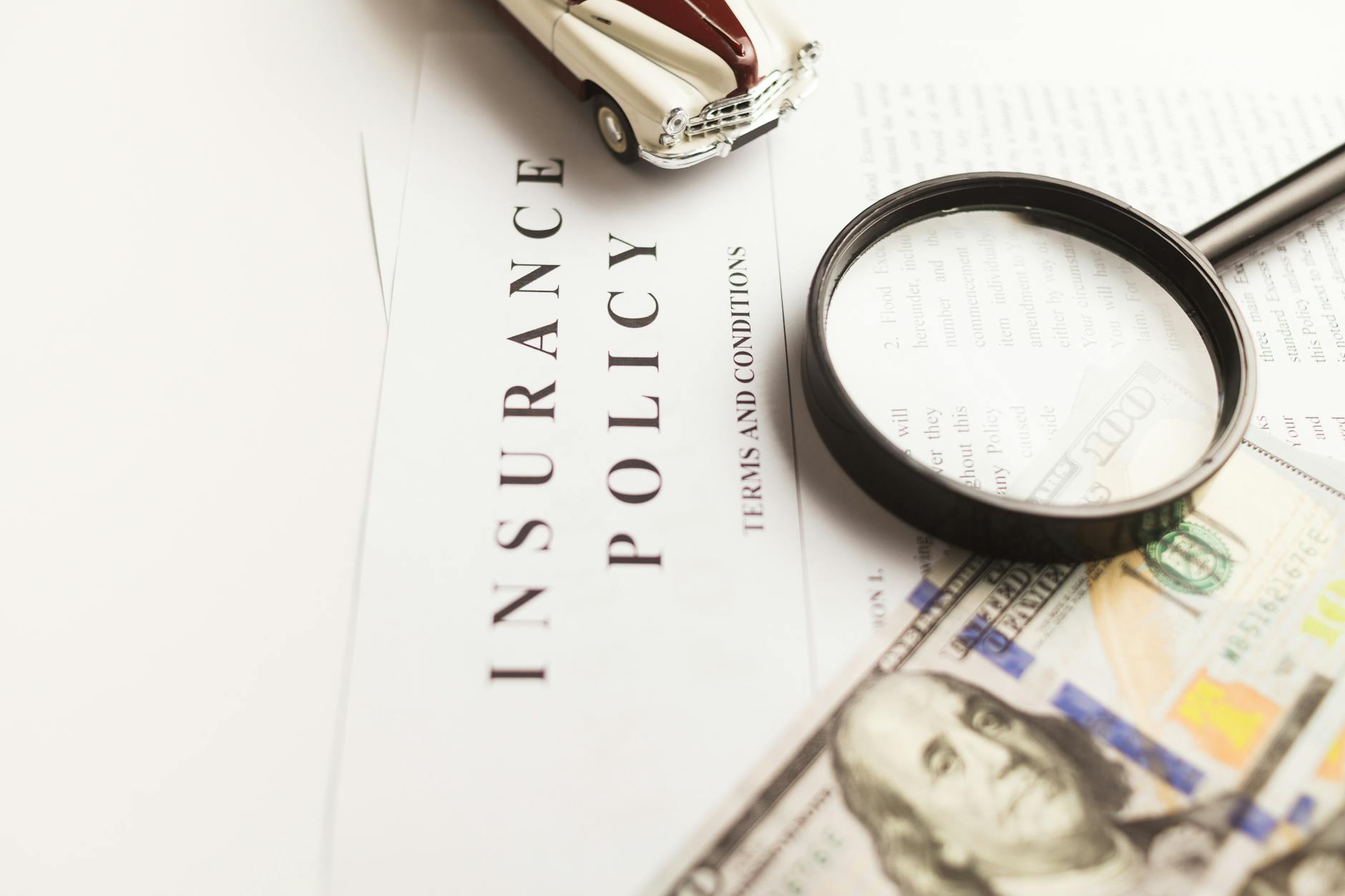
Securing the right car insurance Is a crucial step for any driver. It’s not just about fulfilling a legal requirement; it’s about safeguarding your finances against unexpected accidents, theft, or damage. However, with a plethora of insurance providers vying for your business, Navigating the options can feel overwhelming. Simply picking the first quote you receive is a recipe for overpaying or, worse, being underinsured when you need it most. This comprehensive guide will equip you with a step-by-step approach to effectively compare car insurance providers, ensuring you find the best policy for your needs and budget.
Our aim is to demystify the car insurance comparison process. We’ll break down what to look for, How to gather the necessary information, and what questions to ask. By following these structured steps, you can confidently make an informed decision, benefiting from both competitive pricing and robust coverage. Let’s dive into how you can become a savvy car insurance shopper and drive with peace of mind.
1. Gather Your Essential Information
Before you even start looking at insurance companies, have all the necessary details readily available. This will streamline the quoting process and ensure accuracy. Missing information can lead to inaccurate quotes, causing frustration and potentially invalidating your policy later on.
What You’ll Need:
- Personal Details: Your full name, date of birth, address, and driver’s license number for all drivers to be listed on the policy.
- Vehicle Information: The make, model, year, VIN (Vehicle Identification Number), and current mileage of each car you wish to insure.
- Driving History: A record of any accidents, traffic violations (speeding tickets, DUIs, etc.), and claims you or other drivers have made in the past 3-5 years.
- Coverage Needs: A clear idea of the types of coverage you require. This includes liability limits (bodily injury and property damage), collision, comprehensive, uninsured/underinsured motorist, and any optional add-ons like rental reimbursement or roadside assistance.
- Current Policy Details (if applicable): If you’re switching insurance, have your current policy documents handy. This will help you identify what coverage you already have and compare it apples-to-apples.
2. Understand Different Types of Car Insurance Coverage
Effectively comparing car insurance providers hinges on understanding what each type of coverage entails. Each coverage option plays a vital role in protecting you financially in different scenarios. Knowing these will help you tailor your quotes to your specific needs.
Key Coverage Types to Consider:
- Liability Coverage: This is mandatory in most places and covers damages you cause to others in an accident. It’s divided into:
- Bodily Injury Liability (BI): Covers medical expenses, lost wages, and pain and suffering for those injured in an accident you cause.
- Property Damage Liability (PD): Covers damage to other people’s property (vehicles, fences, buildings) in an accident you cause.
- Collision Coverage: Pays for damage to your own vehicle resulting from a collision with another car or object, regardless of who is at fault.
- Comprehensive Coverage: Covers damage to your vehicle that isn’t caused by a collision, such as theft, vandalism, fire, hail, or falling objects.
- Uninsured/Underinsured Motorist (UM/UIM) Coverage: Protects you if you’re involved in an accident with a driver who has no insurance or insufficient insurance to cover your damages.
- Medical Payments (MedPay) or Personal Injury Protection (PIP): Covers medical expenses for you and your passengers, regardless of fault. PIP can also cover lost wages and other related expenses.
- Optional Coverages: Such as rental reimbursement (covers a rental car while yours is being repaired), roadside assistance, and new car replacement.
3. Shop Around: Get Multiple Quotes
Once you have all your information and understand your coverage needs, it’s time to start getting quotes. The key here is to gather quotes from a diverse range of providers, including national companies, regional insurers, and even direct online providers. Don’t rely on just one or two quotes; aim for at least 5-7 to get a true sense of the market.
Where to Get Quotes:
- Online Comparison Tools: Many websites allow you to enter your information once and receive quotes from multiple insurers. These are excellent starting points.
- Directly from Insurance Company Websites: Visit the websites of specific insurance providers to get a direct quote.
- Independent Insurance Agents/Brokers: These professionals work with multiple insurance companies and can help you compare policies and find the best fit, often at no extra cost to you.
- Phone Quotes: Some companies may prefer you call to get a quote.
When requesting quotes, ensure you are comparing **like-for-like coverage**. Even small variations in deductibles, coverage limits, or included features can significantly impact the price and the protection you receive.
4. Compare More Than Just Price
While price is undoubtedly a major factor, it shouldn’t be the only one. A cheap policy with poor customer service or inadequate coverage can end up costing you more in the long run. Look beyond the dollar amount and evaluate the overall value proposition of each provider.
Factors to Compare Besides Price:
- Coverage Limits and Deductibles: As mentioned, ensure they are identical across your quotes for a fair comparison.
- Customer Service Reputation: Look for reviews and ratings from sources like the Better Business Bureau (BBB), J.D. Power, or consumer advocacy groups.
- Claims Handling Process: How easy is it to file a claim? How quickly are claims processed? A good claims department is crucial.
- Financial Strength Ratings: Insurance companies are rated by agencies like A.M. Best, Moody’s, and Standard & Poor’s. Higher ratings indicate a stronger financial ability to pay out claims.
- Discounts Offered: Many insurers offer discounts for good driving records, multi-car policies, bundling home and auto insurance, anti-theft devices, good student discounts, and more.
- Policy Exclusions and Limitations: Read the fine print carefully to understand what is and isn’t covered.
5. Ask the Right Questions and Read the Fine Print
Don’t be afraid to ask questions. Insurance policies can be complex, and it’s your right to understand exactly what you’re buying. Furthermore, paying close attention to the policy contract is non-negotiable.
Key Questions to Ask:
- What are the exact coverage limits for each type of coverage?
- What are the deductibles for collision and comprehensive coverage?
- What discounts are available to me?
- How does my claims history or driving record affect my premium?
- What is your claims process, and how long does it typically take to settle a claim?
- Are there any specific exclusions or limitations on this policy?
- What is the renewal process like?
Beyond asking questions, **thoroughly read the policy documents** before signing. Pay attention to terms, conditions, exclusions, and renewal clauses. This diligence will prevent unpleasant surprises down the line.
By diligently following these steps, you can effectively compare car insurance providers and secure a policy that offers the right blend of protection and affordability. Don’t settle for the first offer; invest the time in research, and you’ll drive away with confidence knowing you’ve made the best choice for your needs.
Ready to find the best car insurance deal? Start by gathering your information and getting multiple quotes today!
FAQ
What is the difference between collision and comprehensive insurance?
Collision insurance covers damage to your vehicle that occurs as a result of a car accident, such as hitting another car or an object, or if your car flips over. Comprehensive insurance covers damage to your vehicle from non-collision events, like theft, vandalism, fire, hail, or animal strikes.
How much car insurance do I need?
The minimum amount of car insurance required varies by state. However, it’s generally recommended to carry more than the state minimums. Consider your financial situation and assets; you’ll want enough liability coverage to protect your savings and assets in case of a major accident.
Can I get a discount on my car insurance?
Yes, most insurance providers offer a variety of discounts. These can include good driver discounts, multi-car discounts, bundling home and auto insurance, low mileage discounts, anti-theft device discounts, and discounts for good students or completing defensive driving courses.
What happens if I don’t pay my car insurance premium?
If you fail to pay your car insurance premium on time, your policy can be canceled or not renewed. Driving without insurance is illegal and can lead to significant fines, license suspension, and even jail time, in addition to being personally liable for all damages in an accident.
How often should I shop around for car insurance?
It’s advisable to shop around for car insurance at least once a year, or whenever you experience a significant life change. Factors like moving, buying a new car, having an accident, or changes in your driving record can impact your premiums, and you may find a better deal with a different provider.