
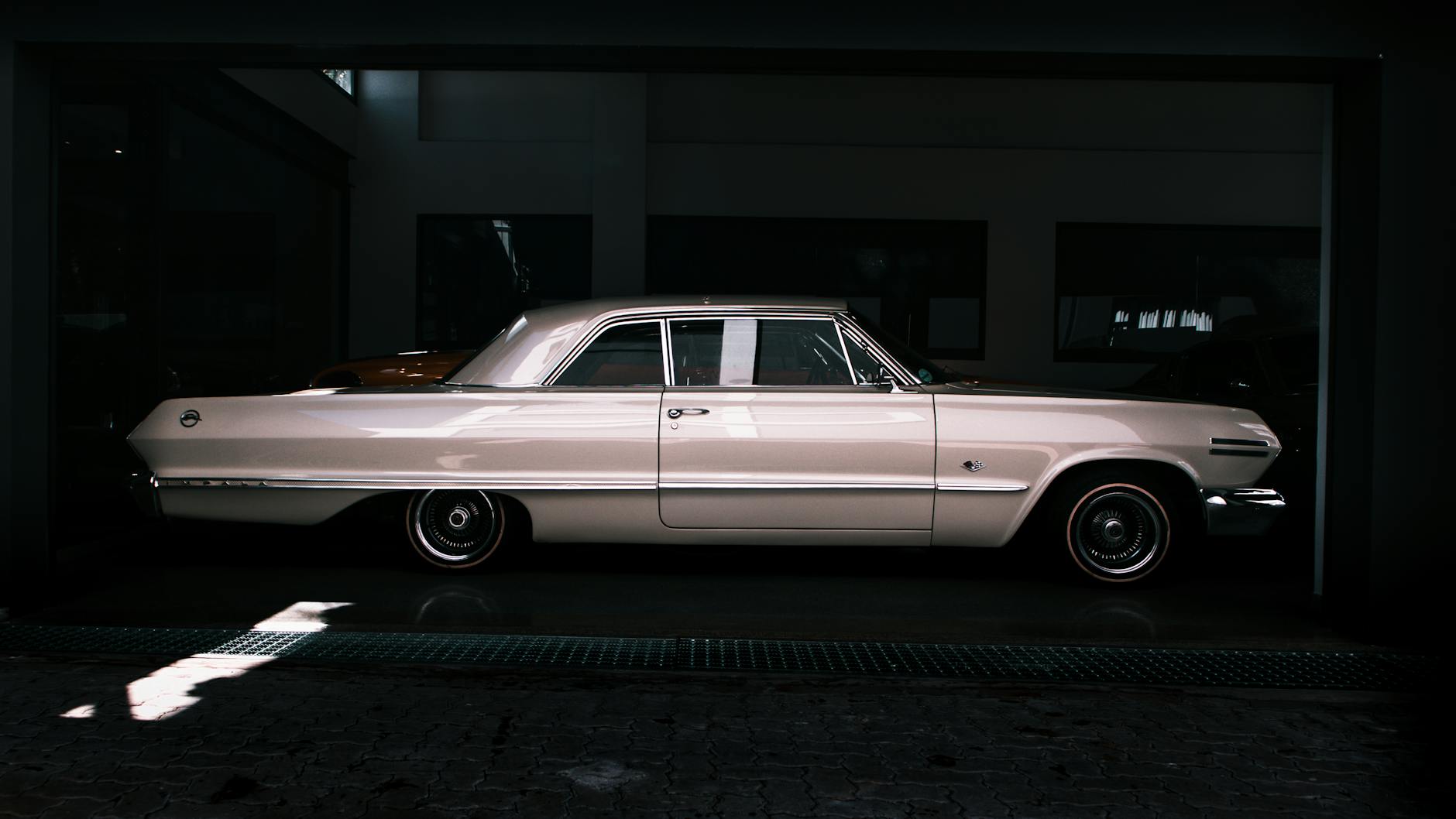
Your classic car isn’t just a vehicle; it’s a piece of automotive history, a passion project, and a source of immense pride. Owning a classic car comes with unique joys, but also with specific responsibilities. Protecting this cherished investment requires more than just standard auto insurance. You need specialized coverage designed to understand and appreciate the nuances of classic automobiles.
Standard car insurance policies are typically geared towards everyday drivers and modern vehicles. They often struggle to account for the true value, rarity, and specialized maintenance needs of classic cars. This is where classic car insurance steps in, offering tailored protection that goes above and beyond the ordinary to safeguard your beloved automobile.
Whether you own a meticulously restored vintage beauty or a barn find waiting for its rebirth, understanding the ins and outs of classic car insurance is crucial for peace of mind. Let’s delve into what makes this specialized coverage so essential for protecting your automotive treasure.
Understanding the Value of Your Classic Car
One of the primary distinctions of classic car insurance lies in how it approaches vehicle valuation. Unlike standard policies that often use depreciating actual cash value (ACV), classic car insurance typically employs an agreed value or stated value approach. This means you and your insurance provider agree on the car’s worth before a loss occurs.
This is a significant advantage. For a classic car, its value isn’t solely based on mileage or age in the traditional sense. Factors like rarity, condition, originality, historical significance, and the quality of any restorations heavily influence its market worth. An agreed value policy ensures that if your car is stolen or declared a total loss, you’ll receive the predetermined amount, reflecting its true collectible value, not just a depreciated figure.
Key points to consider for valuation:
- Expert appraisals: Many classic car insurers recommend or require professional appraisals to establish an accurate agreed value.
- Market research: Stay informed about comparable sales to justify your car’s valuation.
- Documentation: Keep records of restoration work, original parts, and any special features to support the agreed value.
Specialized Coverage Options for Classic Cars
Beyond basic liability and collision, classic car insurance offers endorsements and features specifically designed for the needs of vintage vehicle owners. These can include:
Theft and Vandalism Protection
While standard policies cover theft, classic car insurance often provides enhanced protection, recognizing the higher risk associated with collectible vehicles. This can include coverage for the loss of unique or custom parts that are difficult and expensive to replace.
Roadside Assistance
Breakdowns can happen, especially with older vehicles. Many classic car policies include specialized roadside assistance that understands the requirements of vintage cars. This might mean towing to a specialized classic car mechanic rather than a general repair shop.
Road Hazard Coverage
This covers damage to your vehicle caused by debris on the road, potholes, or other common road hazards. For a classic car, the damage from such events can be particularly costly to repair, making this a valuable endorsement.
Storage Coverage
If your classic car is stored away for the winter or for extended periods, you may still need coverage. Storage coverage protects your vehicle against damage from fire, vandalism, or theft while it’s not in use and potentially not in a secure garage.
Usage Restrictions and Mileage Plans
Classic car insurance policies often come with usage restrictions. This is a fundamental difference from standard auto insurance. The rationale is that classic cars are typically not used for daily commuting. Instead, they are driven for pleasure, shows, and special events.
Insurers usually offer mileage plans, such as 2,500, 5,000, or 7,500 miles per year. By agreeing to these mileage limitations, you often qualify for lower premiums. It’s important to be honest about your intended usage to ensure your policy remains valid in the event of a claim. If you plan to drive your classic car more frequently, discuss this with your insurer to find appropriate coverage.
Benefits of mileage plans:
- Lower premiums: Reduced usage generally leads to cost savings.
- Encourages responsible driving: Promotes treating the car as a collector’s item rather than a daily driver.
- Tailored to collector needs: Fits the lifestyle of most classic car enthusiasts.
The Importance of Specialized Repair Shops
When your classic car needs repairs, the quality of the work is paramount. Standard repair shops may not have the expertise or the specialized parts required for vintage vehicles. Classic car insurance recognizes this and often allows or even directs repairs to be carried out by specialized classic car mechanics or restoration specialists.
This ensures that repairs are done correctly, using appropriate techniques and materials, preserving the car’s originality and value. In some cases, your insurer might even pay for parts to be sourced from specific suppliers or for work to be done by a particular restorer you trust, provided they are reputable and fair in their pricing.
Finding the Right Classic Car Insurance Provider
Not all insurance companies are equipped to handle the unique needs of classic car owners. It’s essential to find an insurer that specializes in or has a dedicated division for collector vehicles. These providers understand the market, the passion of owners, and the specific risks involved.
When choosing a provider, consider:
- Reputation: Look for insurers with a strong track record and positive reviews from other classic car owners.
- Customer service: Ensure they are responsive and knowledgeable about classic cars.
- Policy flexibility: Do they offer options that align with your specific needs and budget?
- Claims handling: Inquire about their process for handling claims related to classic cars.
Do your research and get quotes from several specialized insurers to compare coverage and pricing. Don’t settle for a generic policy that won’t adequately protect your investment.
Conclusion: Protect Your Automotive Legacy
Owning a classic car is a rewarding experience that deserves robust protection. Classic car insurance provides the specialized coverage, valuation methods, and expert repair options necessary to safeguard your cherished vehicle. By understanding your needs and choosing the right provider, you can ensure your automotive legacy is protected for years to come.
Don’t leave your prized possession to chance. Explore specialized classic car insurance options today and drive with confidence, knowing your investment is well-protected.
Frequently Asked Questions (FAQ)
What is considered a “classic car” for insurance purposes?
Generally, a car is considered classic if it’s 20-25 years old or older, though definitions vary by insurer. Factors like rarity, historical significance, and regular use as a collector’s item also play a role. Some insurers have specific age brackets or define “classic,” “antique,” and “vintage” separately.
Do I need a special garage to get classic car insurance?
While not always mandatory, many classic car insurance policies offer lower premiums if your vehicle is stored in a locked garage, carport, or other secure structure, especially when not in use. Insurers want to see that you take measures to protect the vehicle.
Can I get classic car insurance for a car that is still being restored?
Yes, many insurers offer coverage for project cars or vehicles undergoing restoration. This coverage is often tailored to protect the car against fire, theft, and vandalism while it’s in storage or a workshop. The valuation might be based on the cost of parts and labor invested so far.
What happens if my classic car is damaged in an accident?
With an agreed value policy, your insurer will pay out the agreed-upon amount, minus your deductible, if the car is declared a total loss. If it’s repairable, the insurer will cover the cost of repairs, using your chosen specialist repair shop if pre-approved or if the policy allows, up to the agreed value.
How often do I need to update my classic car’s agreed value?
It’s a good practice to re-evaluate and update your classic car’s agreed value annually, or whenever significant modifications or restorations are completed. Market values for classic cars can fluctuate, and it’s important that your insurance coverage reflects the current worth of your vehicle.