
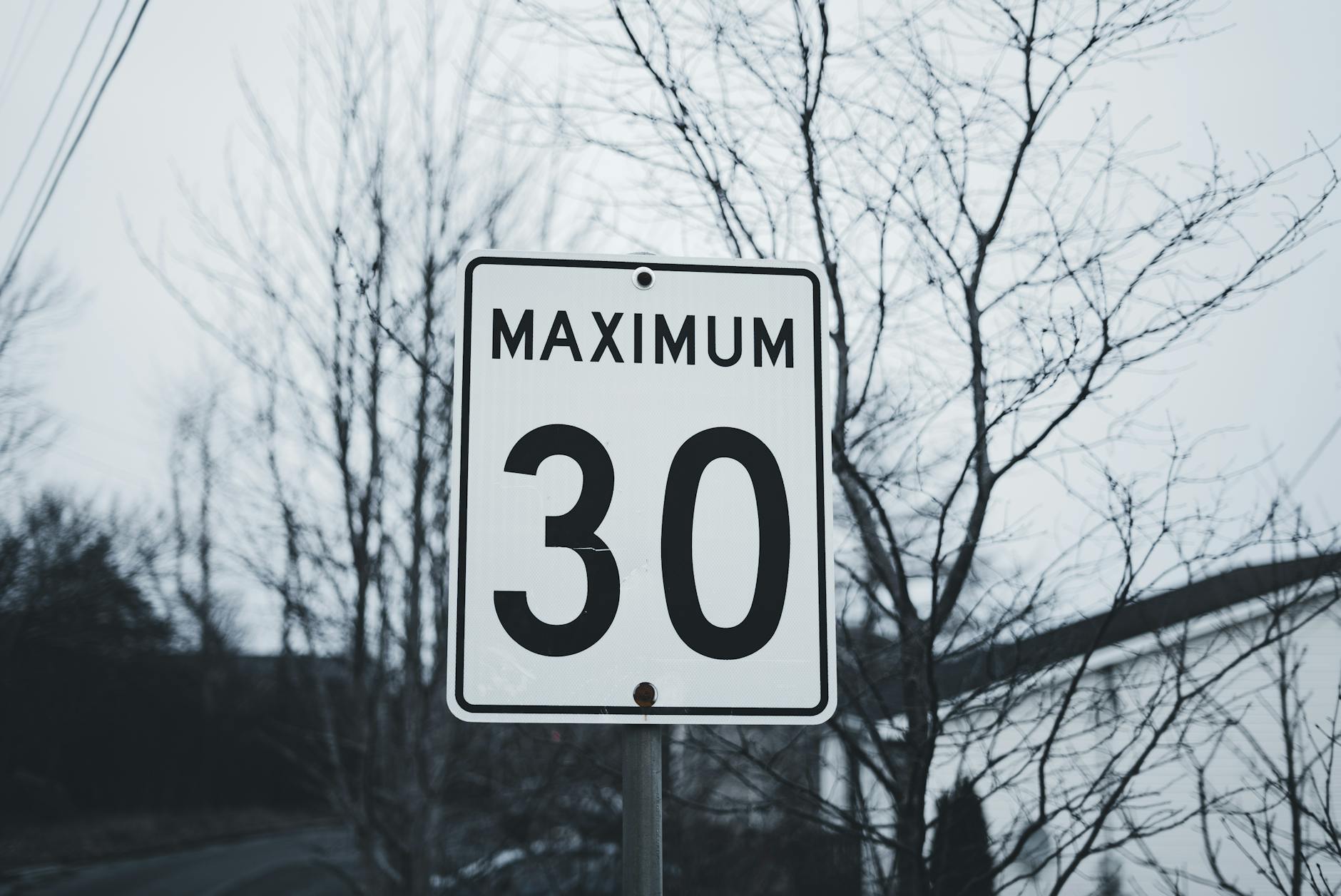
Navigating the roads safely and legally hinges on a thorough understanding of speed limits and the various posted signs that guide us. While seemingly straightforward, these seemingly simple rules can often lead to confusion and, worse, dangerous situations. For every driver, from novice to seasoned motorist, a clear grasp of what these signs signify and the underlying logic behind speed restrictions is not just a matter of avoiding tickets, but of crucial importance for road safety. This article aims to demystify these essential elements of driving, ensuring you can hit the road with confidence and awareness.
The intricate network of roads we traverse daily is governed by a system of regulations designed to maintain order and minimize risk. Speed limits, in particular, are not arbitrary numbers but are carefully determined based on a multitude of factors including road design, traffic volume, environmental conditions, and historical accident data. Similarly, the array of colorful and distinctively shaped signs serve as vital communication tools, conveying critical information about hazards, regulations, and directions. Let’s delve into the specifics and equip ourselves with the knowledge to be the safest and most responsible drivers we can be.
Understanding Speed Limits: More Than Just Numbers
Speed limits are a cornerstone of road safety. They represent the maximum legal speed at which you can operate a vehicle on a particular stretch of road. However, it’s crucial to understand that the posted speed limit is the maximum permissible speed under ideal conditions. Drivers are expected to adjust their speed to match the prevailing conditions, which may require driving slower than the posted limit. Factors such as heavy rain, snow, fog, ice, poor visibility, heavy traffic, or construction zones all necessitate reduced speeds. Failing to do so can lead to a loss of control and accidents.
The establishment of speed limits is a scientific process. They are typically set based on engineering studies that analyze the road’s physical characteristics, such as curve radii, sight distances, and pavement condition. Furthermore, traffic engineers consider the 85th percentile speed – the speed at which 85% of drivers are traveling safely and comfortably. This data, combined with accident history and road user characteristics, helps determine a speed that is both safe and practical. **Exceeding the speed limit**, even by a small margin, significantly increases the risk of a collision and the severity of injuries sustained in an accident.
Decoding Posted Signs: Your Roadside Information Hub
Posted signs are the silent guardians of our roadways, providing essential directives and warnings. They come in various shapes, colors, and symbols, each with a specific meaning. Familiarizing yourself with these universal symbols is paramount for effective communication and safe driving. Understanding what each sign denotes ensures you react appropriately, whether it’s a regulatory sign dictating a mandatory action, a warning sign alerting you to potential hazards, or a guide sign directing you to your destination.
Major categories of signs include:
- Regulatory Signs: These signs inform drivers of traffic laws and regulations they must obey. Examples include Stop signs, Yield signs, Speed Limit signs, Do Not Enter signs, and No Parking signs. They are typically white or red.
- Warning Signs: These signs alert drivers to upcoming hazards or changes in road conditions. They are usually diamond-shaped and yellow with black lettering or symbols. Examples include Curve Ahead, Pedestrian Crossing, Deer Crossing, and Slippery When Wet signs.
- Guide Signs: These signs provide information about directions, destinations, services, and points of interest. They are typically green and white for directional information, and blue for services.
- Construction and Maintenance Signs: These signs, often orange, warn drivers of temporary work zones and associated hazards.
Confusing or ignoring these signs can lead to dangerous situations, including accidents, traffic violations, and disorientation.
The Nuances of “When In Doubt, Slow Down”
This adage is more than just a saying; it’s a fundamental principle of defensive driving. When you encounter unfamiliar road conditions, inclement weather, or are unsure about the correct speed or maneuver, the safest course of action is always to reduce your speed. This simple act provides you with more time to assess the situation, react appropriately, and avoid potentially hazardous scenarios. It allows for better visibility, increased braking distance, and a greater ability to maintain control of your vehicle.
Consider driving in areas with:
- Poor visibility: Fog, heavy rain, or snow can drastically reduce how far you can see. Lowering your speed is essential.
- Unfamiliar intersections: If you’re unsure of the traffic flow or right-of-way, proceed with caution at a reduced speed.
- Road construction: These zones often present unexpected obstacles and changes in road layout.
- School zones or pedestrian areas: These areas have reduced speed limits for the safety of vulnerable road users.
A few extra moments can prevent a lifetime of regret. Prioritize safety over speed, especially when uncertainty looms.
Beyond the Basics: Special Speed Zones and Their Importance
Certain areas on our roads have specific speed limits designed for heightened safety. These often include:
- School Zones: Typically marked with flashing lights or specific signage, these zones have drastically reduced speed limits during school hours to protect children. Always be extra vigilant.
- Construction Zones: Fines are often doubled in construction zones, and the reduced speed limits are for the safety of both drivers and work crews.
- Residential Areas: While not always explicitly posted, residential areas often have implied lower speed limits due to the presence of children playing, pedestrians, and residential traffic.
- Curves and Hills: Many curves and hills have advisory speed limits posted. While not always mandatory, they indicate a safe speed for that particular road segment.
Paying close attention to these special zones and adhering to their designated speed limits is a critical aspect of responsible driving. These regulations are implemented for very specific safety reasons, and disregarding them can have severe consequences.
The Consequences of Neglecting Speed Limits and Signs
Disregarding speed limits and posted signs can have a multitude of negative repercussions. The most immediate and obvious consequence is receiving a traffic ticket, which often comes with monetary fines. However, the impact extends far beyond financial penalties. Speeding is a leading cause of traffic accidents, and exceeding the speed limit significantly increases the likelihood of a collision and the severity of injuries sustained. In addition to fines and potential license suspension, drivers may face increased insurance premiums, legal fees, and even criminal charges in the event of an accident causing serious injury or death.
Furthermore, a consistent pattern of traffic violations can lead to a damaged driving record, making it difficult to obtain Car Insurance, or resulting in significantly higher rates. For professional drivers, traffic violations can jeopardize their career. Ultimately, the most profound consequence is the potential for causing harm or loss of life to oneself and others. When you break traffic laws, you put everyone on the road at risk.
Conclusion: Drive Aware, Drive Safe
Mastering the rules of the road, particularly regarding speed limits and posted signs, is not an optional extra for drivers; it’s a fundamental responsibility. By understanding the reasoning behind these regulations and consistently adhering to them, you contribute to a safer transportation system for everyone. Make it a habit to observe your surroundings, anticipate potential hazards, and always adjust your speed to match the conditions. Your commitment to safe driving practices, informed by a clear understanding of these essential road rules, is the most powerful tool you possess to prevent accidents and ensure your journey is always a safe one.
Ready to brush up on your driving knowledge? Take a moment to review the signs in your local area and double-check your understanding of speed limits on different road types. Safe driving starts with informed driving. Keep this guide handy and make responsible driving your top priority!
Frequently Asked Questions (FAQ)
What is the purpose of speed limits?
The primary purpose of speed limits is to ensure the safety of drivers, passengers, pedestrians, and cyclists by establishing maximum legal speeds that are deemed safe for specific road conditions, traffic volume, and environmental factors.
Are speed limits always the safest speed to drive?
No. The posted speed limit is the maximum legal speed, but drivers are required to drive at a speed that is safe for the prevailing conditions. This means driving slower than the posted limit when there is fog, rain, snow, ice, heavy traffic, or other hazards.
What should I do if I see a flashing yellow light on a speed limit sign?
A flashing yellow light on a speed limit sign usually indicates a reduced speed limit that is in effect during specific times, such as during school hours, or when certain conditions (like presence of workers) are met. Always observe the reduced speed limit when the light is flashing.
What are the consequences of ignoring a Stop sign?
Ignoring a Stop sign is a serious traffic violation. Consequences can include hefty fines, points on your driving record, increased insurance premiums, and potential license suspension. More importantly, it significantly increases the risk of a severe collision.