
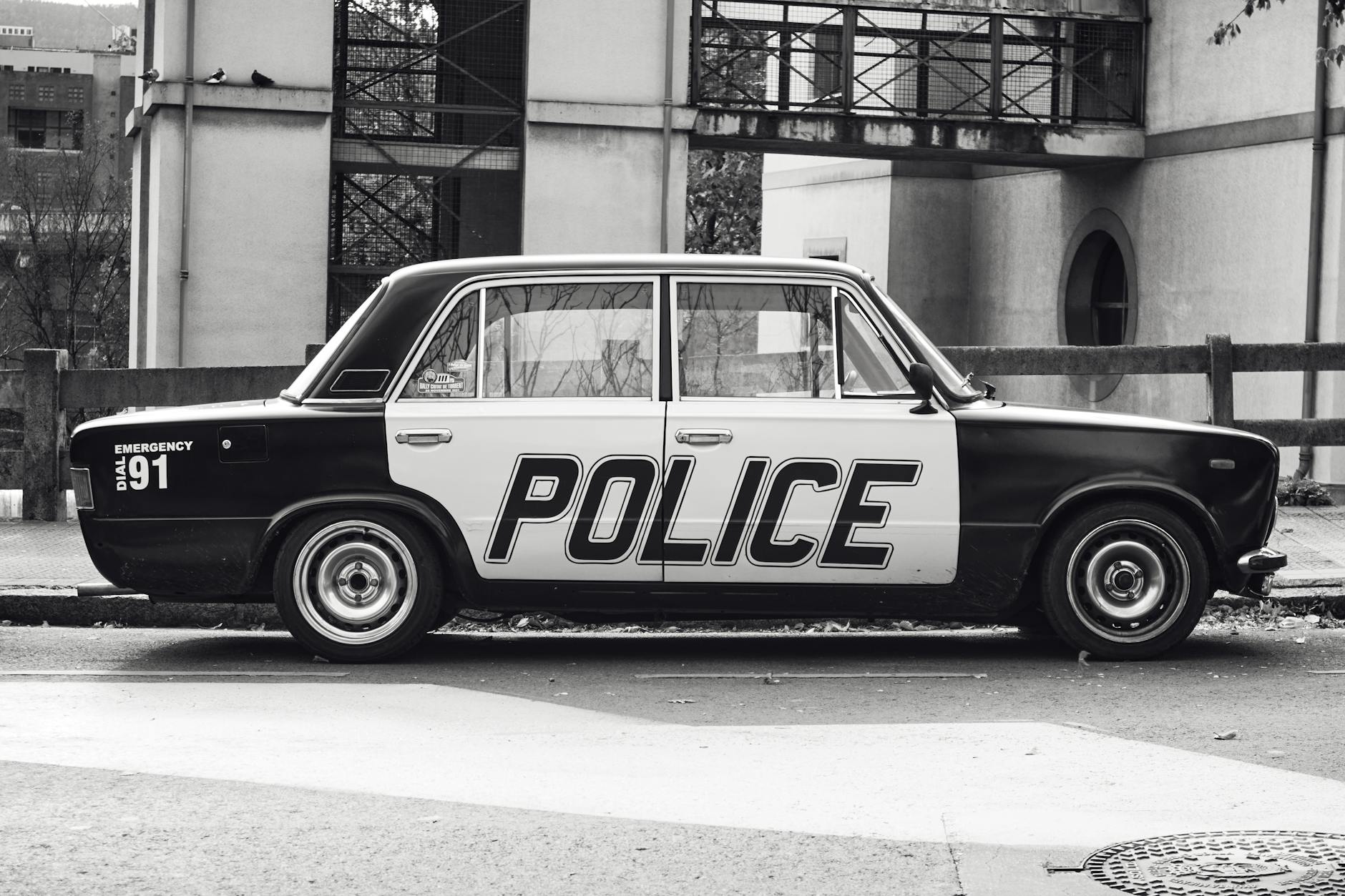
Ever found yourself staring at a car on the street, mesmerized by its unique hue? We often choose car colors based on personal preference, resale value, or even just what’s available on the lot. But what if your car’s color held more power than you realized? Beyond aesthetics, the color of your vehicle can subtly influence perceptions, and in some surprising corners of the world, it can even be subject to **lesser-known laws and regulations**. This isn’t just about avoiding a parking ticket; it’s about understanding the quirky, often overlooked legal landscape surrounding automotive paint.
From the vibrant to the understated, car colors communicate a silent language. A fiery red might signal sportiness, while a deep black can exude luxury or power. But beneath this surface-level interpretation lies a fascinating world of historical quirks and present-day rules that most drivers are completely unaware of. Get ready to delve into the dark secrets of car colors and discover the laws you never knew existed.
The Psychology of Car Colors: More Than Meets the Eye
Before we dive into the legalities, it’s crucial to understand why car color matters. Different colors evoke distinct psychological responses. White cars are often associated with purity, safety, and modernity, frequently ranking as the most popular color globally. Black, on the other hand, conveys elegance, power, and sophistication but can also be perceived as more aggressive. Silver and grey are seen as sleek, neutral, and low-maintenance, making them consistently popular choices. Red is undeniably attention-grabbing, linked to passion, energy, and sportiness, but it can also attract unwanted attention from law enforcement in some regions. Blue offers a sense of calm and reliability, while green can suggest eco-friendliness or a connection to nature.
These perceptions aren’t just abstract; they can influence how other drivers interact with you and, in some historical or niche contexts, even how authorities view your vehicle. This subtle psychological impact is the first layer of understanding why certain regulations might have come into play.
When Colors Become a Legal Issue: Unexpected Regulations
While outright bans on specific car colors are rare in most developed nations today, there are historical and regional instances where car color has been regulated. These laws often stem from attempts to improve road safety, prevent confusion, or even to distinguish official vehicles from civilian ones. For instance, in some countries, specific “emergency vehicle” colors like red, blue, or white were strictly reserved to prevent impersonation. While modern enforcement might focus on lights and sirens, the residual legacy of these color-based distinctions can sometimes linger in local ordinances or outdated regulations.
Exploring these niche laws reveals a surprising intersection of automotive design and legal frameworks. It’s a reminder that even something as seemingly personal as your car’s paint job can be subject to the broader rules of society.
The Case of the “Invisible” Car: Special Circumstances and Exemptions
In certain specialized scenarios, car colors are indeed a significant legal consideration. For example, military vehicles or government unmarked cars might have specific color requirements or prohibitions for camouflage or security reasons. Think of a desert tan for military desert operations or a matte black for covert units. These aren’t about aesthetic preference but mission functionality and security. In some jurisdictions, particular shades of reflective paint might be restricted to avoid blinding other drivers, especially at night.
Furthermore, there have been instances, primarily in the past, where certain very bright or distracting colors were discouraged or even prohibited in specific areas, particularly near airports or sensitive facilities, to avoid causing visual interference or confusion. These are often highly localized and might not be widely publicized, contributing to their “dark secret” status.
How Car Color Can Impact Insurance and Resale Value
While not strictly “laws,” the practical implications of your car’s color can have a significant impact on your wallet. Certain car colors, particularly extreme or highly fashionable ones, can affect your auto insurance premiums. Insurers may perceive risk differently based on color; for example, bright red sports cars are sometimes associated with higher-risk driving behaviors, potentially leading to slightly higher premiums. Conversely, neutral colors like white, silver, and grey are often seen as less risky and tend to have broader appeal, which can positively influence resale value.
The ease of finding touch-up paint or body shop matching is also a factor. Common colors are easier and cheaper to repair, which can be a consideration for both insurance claims and when selling your vehicle. Understanding these market forces is an indirect way of navigating “rules” dictated by consumer behavior and industry practices.
Beyond the Law: The Unseen Influence of Car Colors
Even where no explicit laws exist, car colors exert an unseen influence. The color you choose can affect how easily your car is spotted by thieves. While not a legal prohibition, dark-colored cars, especially black, can sometimes be easier targets for theft due to their ability to blend into the night. Conversely, bright colors like yellow or orange can make a car more visible and potentially deter opportunistic thieves. It’s a subtle, almost instinctual, aspect of vehicle security.
Moreover, the perception associated with certain colors can influence traffic interactions. A police officer might, consciously or subconsciously, view a speeding black sports car differently than a speeding beige minivan. While official enforcement should be colorblind, human psychology is not. Navigating these subtle social cues is part of the unspoken “rules” of the road.
So, the next time you’re choosing a car color, remember there’s more to it than just personal taste. The world of automotive hues is surprisingly complex, blending psychology, market trends, and occasionally, even obscure legal quirks. Understanding these “dark secrets” can help you make a more informed choice and perhaps even navigate the road a little more wisely.
Frequently Asked Questions about Car Colors and Laws
Are there any countries where specific car colors are completely banned?
Outright bans on common car colors are exceptionally rare in most modern countries today. However, historically or in very specific contexts, certain colors might have been regulated to prevent confusion with emergency vehicles or for security purposes. It’s more common to find restrictions on highly reflective or potentially blinding paint finishes.
Can my car color affect my car insurance?
Yes, your car color can indirectly affect your car insurance premiums. Insurers may associate certain colors (like bright red on sports cars) with riskier driving behavior, potentially leading to slightly higher rates. Conversely, more common and neutral colors are often perceived as lower risk.
Does car color influence how likely my car is to be stolen?
While not a direct law, some anecdotal evidence and security advice suggest that darker, less conspicuous car colors might be slightly more attractive to opportunistic thieves as they blend in better at night. Brighter, more distinctive colors might offer a minor deterrent due to increased visibility.
Are there regulations about specialty paint finishes like chrome or neon?
While not always explicitly banned as colors, highly reflective finishes like chrome can be subject to regulations concerning glare and road safety in some areas. Similarly, extremely bright neon colors might face scrutiny if they are deemed excessively distracting or used in a way that could compromise road safety. These are often addressed under broader traffic safety or vehicle modification laws.
What’s the best car color for resale value?
Generally, neutral colors such as white, silver, grey, and black tend to have the broadest appeal and thus hold their resale value well. Highly niche or extreme colors can limit the pool of potential buyers, potentially decreasing resale value.