
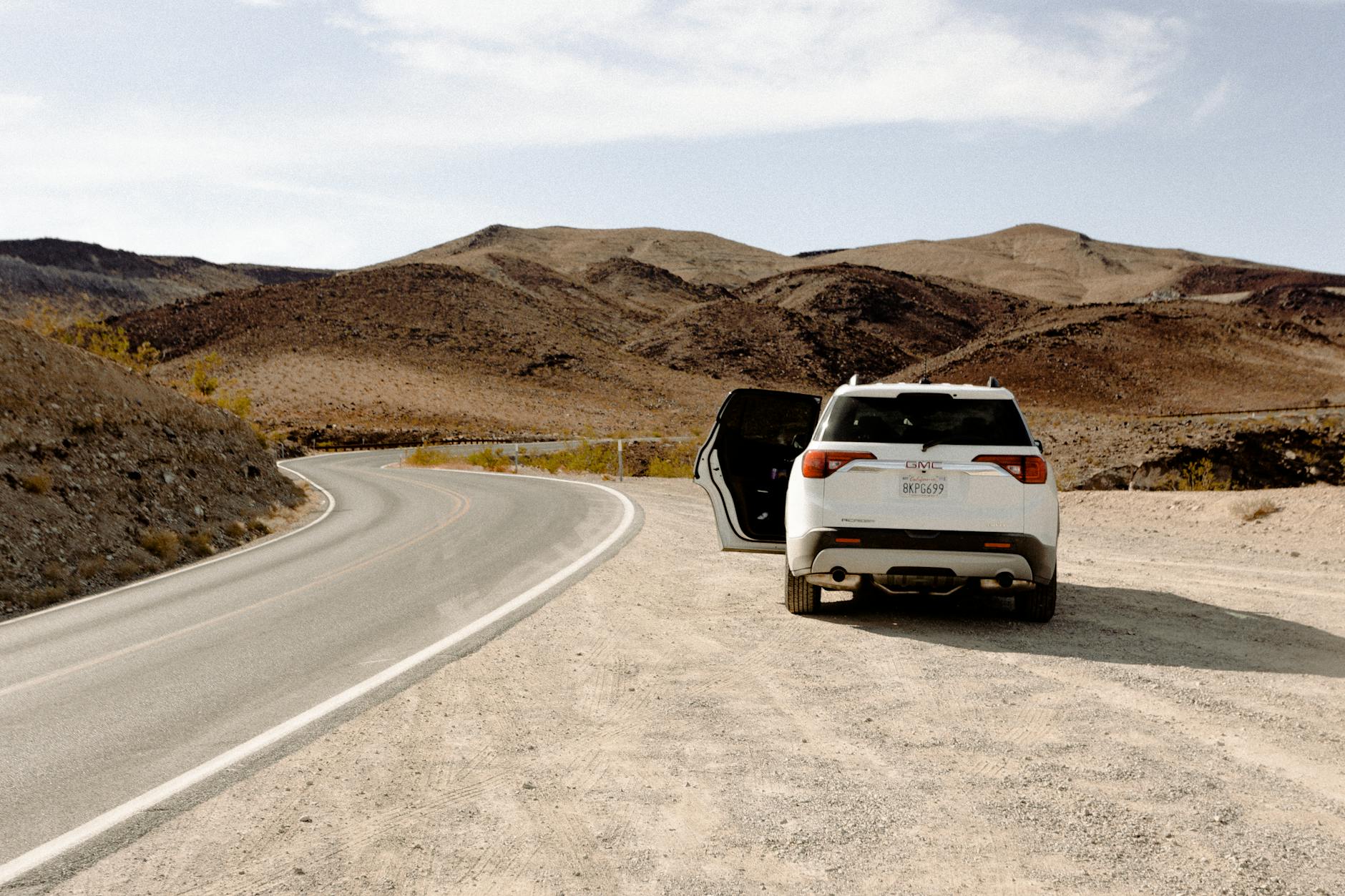
Embarking on a road trip is an exciting prospect, promising adventure, new sights, and memories that will last a lifetime. Whether you’re planning a cross-country expedition or a weekend getaway, a little preparation can go a long way in ensuring a safe and hassle-free journey. The last thing you want is to be stranded on the side of the road with a preventable issue.
Before you hit the open road, a thorough pre-trip inspection of your vehicle is paramount. Think of it as giving your trusty steed a spa day before its big adventure. This not only boosts your confidence but also significantly reduces the risk of unexpected breakdowns and costly repairs. Let’s dive into essential checks that will have you road trip ready and cruising with peace of mind.
Tires: Your First Line of Defense
Your tires are the only point of contact between your vehicle and the road, making them arguably the most critical component to inspect. Underinflated, overinflated, or worn-out tires can lead to poor handling, reduced fuel efficiency, and a significantly increased risk of a blowout.
Tire Pressure Check
Consult your vehicle’s owner’s manual or the sticker on the driver’s side doorjamb for the recommended tire pressure (PSI – pounds per square inch). Ensure tires are checked when they are cold (driven less than a mile). Use a reliable tire pressure gauge to verify all four tires, plus your spare, are at the correct pressure. Proper tire inflation is key for safety and economy.
Tread Depth and Wear
Inspect the tire tread for sufficient depth and even wear. You can use the “penny test”: insert a penny headfirst into the deepest part of the tread. If you can see the top of Lincoln’s head, your tread is too low and it’s time for new tires. Look for any signs of uneven wear (like bald spots on the edges or center) which could indicate an alignment or inflation issue.
Visual Inspection
Give your tires a good look-over for any cuts, bulges, cracks, or embedded objects like nails or screws. Small punctures can sometimes be temporarily repaired, but any significant damage warrants replacement.
Fluids: The Lifeblood of Your Vehicle
Your car relies on various fluids to function correctly. Regularly checking and topping up these essential liquids can prevent overheating, lubrication issues, and system malfunctions.
Engine Oil
Check your engine oil level using the dipstick. Ensure it’s between the ‘min’ and ‘max’ marks. If it’s low, add the recommended type of oil. Also, check the oil’s color and consistency; dark, gritty oil may indicate it’s time for an oil change, which is wise to do before a long trip.
Coolant
The coolant, or antifreeze, prevents your engine from overheating. Check the coolant reservoir when the engine is cool. The level should be between the ‘min’ and ‘max’ lines. If it’s low, top it up with the correct coolant mixture. Never open the radiator cap when the engine is hot!
Brake Fluid
Brake fluid is crucial for your braking system. The reservoir is usually transparent, allowing you to see the fluid level. If it’s low, it could indicate a leak or worn brake pads. This is a serious safety concern and should be addressed by a professional immediately.
Windshield Washer Fluid
While seemingly minor, clear visibility is vital. Ensure your windshield washer fluid reservoir is full. You’ll appreciate it when facing dusty roads or unexpected rain.
Brakes: Stopping Power You Can Trust
Your brakes are your most important safety feature. Any issues with your braking system should be addressed immediately by a qualified mechanic.
Brake Pedal Feel
When testing your brakes, pay attention to how the pedal feels. Does it feel spongy or go all the way to the floor? This could indicate air in the brake lines or a leak. Does it feel overly stiff or require excessive force? These are also warning signs.
Brake Pad and Rotor Inspection
Visually inspect your brake pads for wear. You can often see them through the spokes of your wheels. If they appear thin, they need replacing. Listen for any squealing or grinding noises when you apply the brakes, as these are common indicators of worn brake pads.
Parking Brake
Don’t forget your parking brake. Test it on a gentle incline to ensure it holds the vehicle firmly.
Lights and Visibility: Seeing and Being Seen
Ensuring all your lights are working correctly is fundamental for safe driving, especially during dawn, dusk, or nighttime driving.
Headlights and Taillights
Check that both your low and high beam headlights are operational. Also, ensure your taillights, brake lights, and turn signals (front and rear) are all working. Have a friend stand behind the vehicle while you test the brake lights and turn signals.
Wiper Blades
Good visibility is impossible with worn-out wiper blades. Check them for cracks or stiffness. If they leave streaks or chatter across the windshield, it’s time for new ones. Ensure your windshield washer nozzles are also clear and spraying effectively.
Mirrors
Make sure all your mirrors (rearview and side mirrors) are clean, adjusted correctly, and free from cracks. Proper mirror adjustment provides optimal visibility of your surroundings.
Under the Hood and Beyond: The Essentials
Beyond the major components, a few other checks can prevent minor inconveniences from becoming major headaches.
Battery Check
Inspect your battery terminals for any corrosion. Clean them with a wire brush if necessary. Ensure the battery is securely fastened. If your battery is more than 3-5 years old or you’ve experienced starting issues, consider having it tested.
Belts and Hoses
Visually inspect drive belts for cracks, fraying, or signs of wear. Check hoses for any leaks, bulges, or softness. Damaged belts or hoses can lead to significant engine problems.
Emergency Kit
Assemble an emergency road trip kit. This should include essentials like jumper cables, a first-aid kit, a flashlight with extra batteries, basic tools, flares or reflective triangles, a blanket, water, and non-perishable snacks. Consider adding a portable tire inflator and a phone charger.
Car Documents
Ensure your driver’s license, vehicle registration, and proof of insurance are current and easily accessible.
By dedicating a few hours to these pre-trip inspection steps, you’re not just ticking boxes; you’re investing in a safer, more enjoyable, and memorable road trip. A well-maintained vehicle is a confident vehicle, and a confident vehicle is the key to unlocking the freedom of the open road. So, before you pack your bags, give your car the attention it deserves, and set off on your adventure with complete peace of mind.
Frequently Asked Questions (FAQ)
What is the most important pre-trip inspection item?
While all checks are important, your tires are arguably the most critical. They are your direct connection to the road, and their condition directly impacts safety, handling, and performance. Ensuring proper inflation and tread depth is paramount.
How often should I perform a pre-trip inspection?
For any significant road trip, a thorough inspection is recommended. For regular commuting, regular maintenance checks (as outlined in your owner’s manual) are sufficient. If you notice any unusual sounds, smells, or warning lights, perform an inspection immediately.
Can I do these checks myself?
Yes, most of these checks can be performed by the average car owner with a few basic tools and a little guidance. However, if you are unsure about any aspect, especially concerning brakes or complex fluid systems, it’s always best to consult a professional mechanic.
What if I find a problem during my inspection?
If you discover any issues, especially with critical safety components like brakes or tires, it’s imperative to have them addressed by a qualified mechanic before embarking on your trip. Don’t compromise on safety for the sake of starting your journey sooner.