
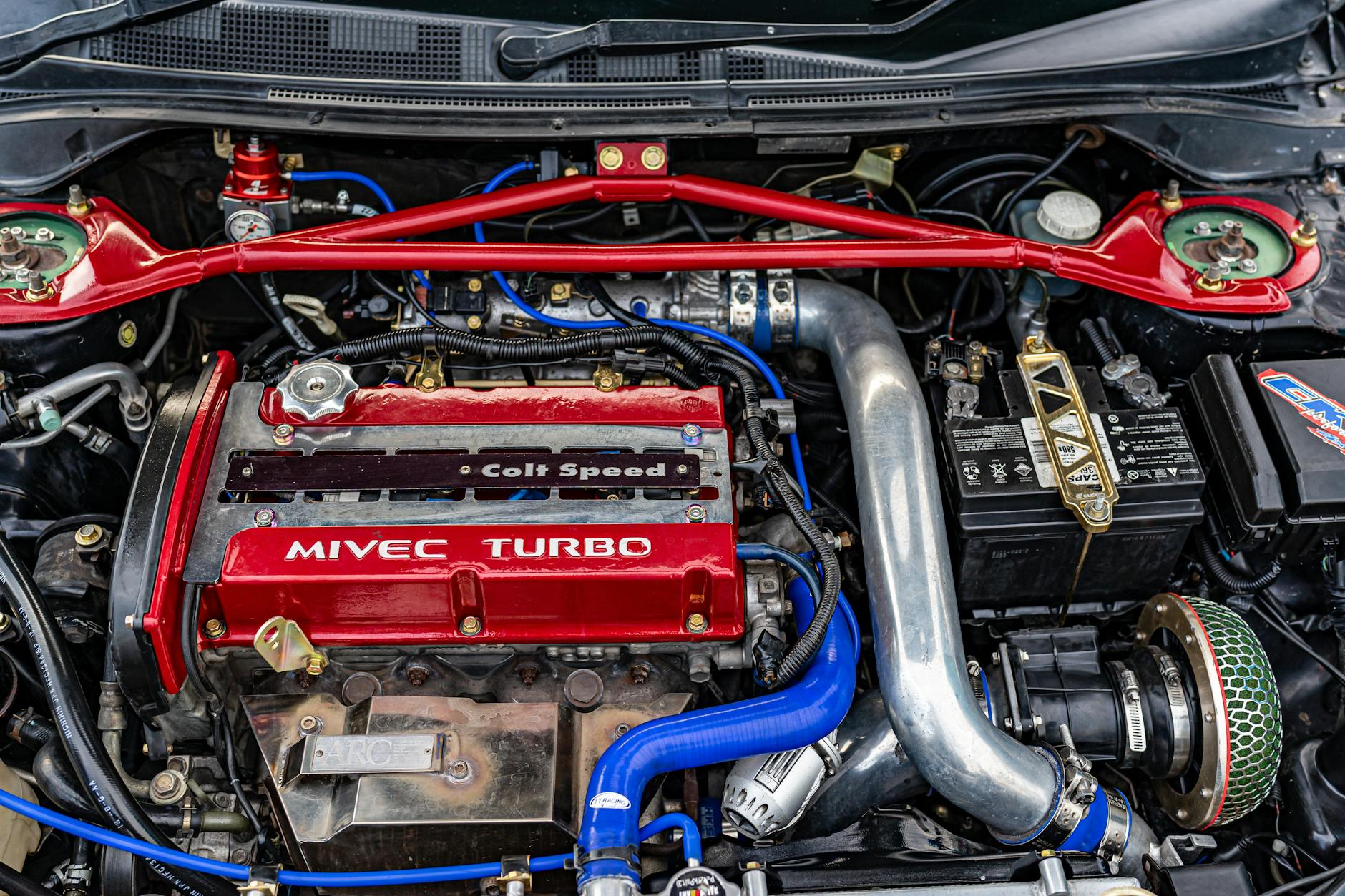
Your car’s engine Is a complex piece of machinery, and like any high-performance engine, it generates a significant amount of heat during operation. This heat, if not managed properly, can lead to serious and costly damage. That’s where your car’s cooling system, and specifically its coolant, comes into play. Often overlooked until there’s a problem, automotive coolant is a vital fluid that plays a crucial role in keeping your engine running smoothly and efficiently. In this blog post, we’ll dive deep into why coolant matters, How to check its level, and what to do when it’s time to top up.
Understanding and maintaining your coolant level is a fundamental aspect of car care. It’s not just about preventing your engine from overheating; it’s also about protecting your engine from freezing in colder climates and preventing corrosion. Neglecting this simple maintenance task can quickly escalate into expensive repairs, including warped cylinder heads, blown head gaskets, or even a completely seized engine. So, let’s demystify what this essential car fluid is all about.
What is Automotive Coolant and Why Does it Matter?
Automotive coolant, often referred to as antifreeze, is a mixture of ethylene glycol or propylene glycol and water. The primary function of this mixture is to absorb heat from the engine and dissipate it through the radiator. Pure water boils at 100°C (212°F) at sea level, but an engine operates at temperatures well above this. By adding glycol, the boiling point of the coolant is significantly raised, preventing it from boiling over and thereby safeguarding your engine from overheating.
Conversely, in colder climates, water alone would freeze and expand, potentially cracking your engine block. The glycol in the coolant lowers the freezing point, protecting your engine from this destructive expansion. Beyond temperature regulation, modern coolants also contain additives that inhibit corrosion and rust within the cooling system, extending the lifespan of critical components like the radiator, water pump, and hoses.
The Role of the Cooling System
The coolant doesn’t work in isolation; it’s part of a sophisticated cooling system designed to manage engine temperature. Key components of this system include:
- Radiator: This is where the hot coolant flows and is cooled down by airflow from the front of the car and the radiator fan.
- Thermostat: A valve that controls the flow of coolant. It remains closed when the engine is cold to help it reach optimal operating temperature faster, and opens when the engine warms up to allow coolant to circulate through the radiator.
- Water Pump: This component circulates the coolant throughout the engine block, heater core, and radiator.
- Hoses: Flexible rubber tubes that carry coolant between different parts of the system.
- Expansion Tank (or Overflow Reservoir): This tank captures excess coolant that expands when hot and returns it to the system as it cools down, maintaining consistent pressure.
- Radiator Cap: This isn’t just a lid; it’s a pressure relief valve that helps maintain the correct pressure within the cooling system, further raising the boiling point.
When any part of this system malfunctions, it can lead to cooling problems, even if your coolant level is perfect. However, a proper coolant level is the foundation of an effective cooling system.
How to Check Your Car’s Coolant Level
Checking your coolant level is a relatively simple maintenance task that you can perform yourself. It’s advisable to check it at least once a month and before any long road trips. Here’s how:
Safety First: Never open the radiator cap or the expansion tank cap when the engine is hot. The system is under pressure, and hot coolant can spray out, causing severe burns. Allow the engine to cool down completely, which usually takes at least an hour after driving.
Locate the Coolant Reservoir: In most modern cars, the coolant is stored in a translucent plastic tank, often labeled “Coolant,” “Antifreeze,” or with a radiator symbol. It’s usually located near the front of the engine bay.
Observe the Level Marks
The reservoir will have two marked lines: a “MIN” or “LOW” line and a “MAX” or “FULL” line. The coolant level should be between these two marks when the engine is cold.
Inspect the Color and Condition
While you’re checking the level, also take a moment to look at the coolant itself. It should be a bright, vibrant color (typically green, orange, pink, or blue, depending on the type). If it appears rusty, murky, or has oily particles floating in it, this could indicate a problem within the cooling system, such as a leaking head gasket or internal corrosion. In such cases, it’s best to consult a mechanic.
When and How to Top Up Your Coolant
If your coolant level is below the “MIN” mark, it’s time to top it up. This is usually a straightforward process, but it’s crucial to use the correct type of coolant for your vehicle.
Using the Right Coolant
Consult your car’s owner’s manual to determine the specific type of coolant recommended by the manufacturer. Using the wrong type can lead to incompatibility issues, reduced efficiency, and potential damage to your cooling system. Coolants come in different formulas (e.g., traditional green, OAT – Organic Acid Technology, HOAT – Hybrid Organic Acid Technology), and mixing them is generally not advised.
Topping Up Procedure
- Ensure the engine is completely cool.
- Locate the coolant reservoir cap.
- If using a pre-mixed coolant (50/50 glycol and water), you can pour it directly into the reservoir. If you have concentrated coolant, you’ll need to mix it with distilled water in a 50/50 ratio in a separate clean