
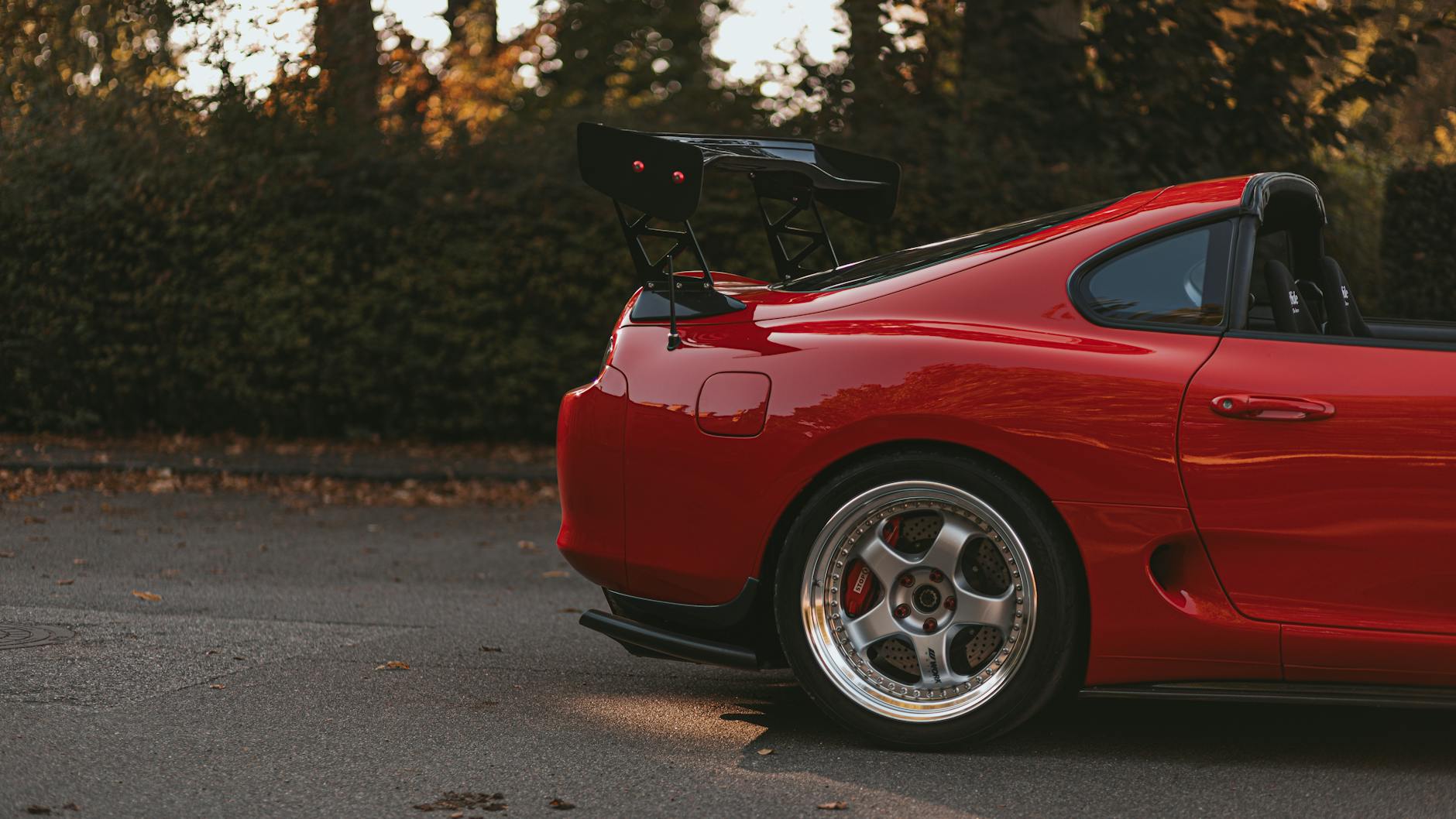
The allure of customizing your car is undeniable. From that sleek spoiler that hints at speed to the aggressive stance of a lowered suspension, car modifications allow drivers to express their personality and enhance their vehicle’s performance. However, embarking on this journey without understanding the legal landscape can lead to costly fines, failed inspections, and even the impoundment of your beloved ride. Navigating the world of car modification laws can feel like deciphering a cryptic code, but it’s crucial for any enthusiast looking to legally enhance their vehicle.
ThIs article dives deep into the often-confusing regulations surrounding common car modifications. We’ll break down the legalities of everything from aerodynamic aids to suspension setups, providing you with the knowledge you need to modify your car responsibly and legally. Whether you’re a seasoned modifier or a curious beginner, understanding these laws is paramount to enjoying your customized vehicle without legal headaches.
Understanding the Basics: Why Do Car Modification Laws Exist?
At their core, car modification laws are designed with safety and environmental impact in mind. Governments implement these regulations to ensure that vehicles on public roads adhere to certain standards, preventing modifications that could:
- Endanger other road users (e.g., excessively bright lights, altered braking systems).
- Reduce visibility for the driver or others.
- Increase noise pollution beyond acceptable levels.
- Alter emissions beyond legal limits.
- Compromise the structural integrity of the vehicle.
It’s important to remember that these laws can vary significantly depending on your location. What might be perfectly legal in one state or country could be strictly prohibited in another. Always research the specific regulations for your jurisdiction before purchasing or installing any aftermarket parts.
Spoilers and Aerodynamic Enhancements: More Than Just Looks
Spoilers, wings, and splitters are often the first modifications that come to mind when thinking about performance aesthetics. While they can undoubtedly enhance a car’s visual appeal, their primary function is to improve aerodynamics and downforce, especially at higher speeds. However, there are legal considerations:
- Size and Placement: Laws often dictate the maximum height, width, and protrusion of these enhancements. Ensure your spoiler doesn’t extend beyond the vehicle’s bodywork in a way that could be hazardous to pedestrians or other vehicles (e.g., sharp edges, excessive width).
- Visibility: Any modification that obstructs the driver’s view of the road or mirrors is generally illegal. Large wings can sometimes fall into this category.
- Street Legitimacy: While functional race car wings might be legal on a track, they might not be road-legal. Many jurisdictions have limits on the sheer aggressiveness and size of aerodynamic devices.
The key is to ensure your aerodynamic modifications are proportional to your vehicle and do not pose a safety risk or obscure essential visibility.
Suspension Modifications: A Balancing Act of Style and Safety
Lowering or raising a vehicle’s suspension is a popular way to achieve a desired aesthetic and, in some cases, improve handling. However, suspension modifications are heavily regulated for good reason:
- Ride Height: Most regions have minimum and maximum legal ride height requirements. Lowering a vehicle too much can cause bodywork or undercarriage components to drag on the road, creating a hazard. Raising a vehicle excessively can compromise stability and increase rollover risk.
- Suspension Components: The type of suspension components you use matters. Replacing factory components with sub-standard aftermarket parts can compromise safety and handling. Ensure any replacement parts meet or exceed original equipment manufacturer (OEM) specifications for safety.
- Wheel and Tire Clearance: Ensure that your wheels and tires do not rub against the fenders or suspension components when the suspension is compressed or articulated. This can cause damage and is often a point of failure during inspections.
- Alignment: Significant suspension changes will almost always require a professional wheel alignment to ensure proper tire wear and safe handling.
It’s crucial to consult with a reputable mechanic or suspension specialist when considering these modifications to ensure compliance and safety.
Exhaust Systems: Sound and Emissions Control
Upgrading your exhaust system can significantly alter your car’s sound and potentially its performance. However, this is an area with strict regulations concerning noise and emissions:
- Noise Levels: Most jurisdictions have decibel limits for exhaust noise. Loud exhausts that exceed these limits can result in citations. Look for exhaust systems that are advertised as “street legal” or “emissions compliant.”
- Emissions Equipment: Tampering with or removing emissions control devices, such as catalytic converters, is illegal in most parts of the world due to their environmental impact. Ensure your exhaust system retains all necessary emissions equipment.
- Exhaust Tip Placement: Some laws specify that exhaust tips should not extend beyond the vehicle’s body or be angled in a way that could direct fumes directly at pedestrians or cyclists.
When choosing an aftermarket exhaust, prioritize models that have been tested and certified to meet local noise and emissions standards.
Lighting Modifications: Illuminating the Law
Modifying your car’s lighting system can range from simply changing bulb types to adding elaborate underglow kits. However, lighting is a critical safety feature, and modifications are tightly controlled:
- Headlights and Taillights: While upgrading to brighter or different colored bulbs (e.g., LEDs, Xenon) might be permissible, certain colors are restricted (e.g., blue or red headlights, as they mimic emergency vehicles). Ensure your headlights effectively illuminate the road ahead and that your taillights are clearly visible.
- Underglow and Accent Lighting: The legality of underglow lighting varies greatly. In many places, it’s illegal to have these lights on while the vehicle is in motion, or they may be completely prohibited due to their potential to distract other drivers or mimic emergency vehicle lights.
- Auxiliary Lighting: Adding extra spotlights or light bars often requires specific permits or vehicle types and may only be legal for off-road use.
Always ensure your lighting modifications do not impair your vision, are not mistaken for emergency vehicle lights, and comply with local regulations regarding color and brightness.
Window Tinting and Body Kits: Aesthetic Enhancements with Legal Caveats
Window tinting and aggressive body kits are popular ways to customize a car’s appearance. However, they also come with specific legal requirements:
Window Tinting
- VLT (Visible Light Transmission): Laws dictate the percentage of light that must be allowed to pass through your windows. This is to ensure adequate visibility for the driver and for law enforcement to see inside the vehicle. The legal VLT percentage often varies for front windshields, front side windows, and rear side windows.
- Windshield Strip: Many jurisdictions allow a non-reflective tint strip at the top of the windshield, but its size is typically regulated.
Body Kits
- Protrusion and Ground Clearance: Similar to spoilers, the legality of body kit components (like front lips, side skirts, and rear diffusers) often depends on how much they protrude from the vehicle’s original dimensions and how low they hang. Components that are too low can drag on the road or pose a hazard.
- Sharp Edges: Any parts with sharp or pointed edges that could cause injury to pedestrians or cyclists are generally prohibited.
When in doubt, consult with a professional installer who is knowledgeable about local tinting laws and body kit regulations.
Conclusion: Drive Smart, Modify Smart
Modifying your car is a fantastic way to personalize your driving experience. However, it’s essential to balance your enthusiasm with responsibility. Understanding and adhering to car modification laws ensures your safety, the safety of others, and keeps you on the right side of the law. Before you make any changes, do your research, consult with reputable professionals, and prioritize legal and safe modifications. Happy customizing!