
Embarking on your driving journey in 2024 is an exciting milestone, but it comes with significant responsibility. As a New Driver, understanding and adhering to essential driving regulations isn’t just about passing your test; it’s about ensuring your safety, the safety of others on the road, and avoiding costly fines. The rules of the road can seem daunting, but they are designed to create a predictable and secure environment for everyone. This guide will break down the key regulations you absolutely must know to navigate 2024’s roadways with confidence and legality.
From speed limits and seatbelt laws to the ever-evolving digital distractions, staying informed is crucial. This article dives into the core driving laws that every novice driver should have memorized. We’ll cover everything from the basics to some more nuanced rules that are particularly relevant for this year. Prepare to equip yourself with the knowledge to be a responsible and safe driver from day one.
Understanding Speed Limits and Safe Driving Speeds
Speed limits are not arbitrary; they are set based on road design, traffic density, and potential hazards. In 2024, understanding and respecting these limits remains paramount for all drivers, especially new ones. While posted speed limits are the maximum legal speed, it’s crucial to drive at a speed that is safe for the current conditions. This includes factors like weather (rain, fog, snow), visibility, and the presence of other vehicles or pedestrians.
Posted Speed Limits and Their Significance
Posted speed limits are the maximum allowable speed on a particular stretch of road. Exceeding these limits is a common traffic violation that can lead to significant fines, points on your license, and increased insurance premiums. New drivers are often still building their judgment and reaction times, making it even more important to stick to the posted limits, if not drive slightly below them in unfamiliar or challenging situations.
Adjusting Your Speed for Conditions
This is a critical, often overlooked, aspect of safe driving. Even if the posted speed limit is 60 mph, driving at that speed in heavy rain or dense fog is inherently dangerous. New drivers must learn to assess conditions and adjust their speed accordingly. This means slowing down significantly when visibility is poor, the road is wet or icy, or when approaching areas with high pedestrian traffic, such as school zones or residential areas.
Seatbelt Laws and Passenger Safety
The importance of seatbelts cannot be overstated, and in 2024, these laws remain strictly enforced. A seatbelt is your primary safety device in a vehicle, drastically reducing the risk of serious injury or fatality in the event of a collision. As a new driver, you are not only responsible for your own safety but also for ensuring your passengers are also buckled up.
Mandatory Seatbelt Usage for All Occupants
In most jurisdictions, wearing a seatbelt is legally required for all occupants of a vehicle, regardless of their seating position. This applies to the driver and all passengers in the front and back seats. Failure to ensure all passengers are properly restrained can result in fines for the driver.
Proper Seatbelt Fit and Child Restraint Systems
It’s not enough to simply buckle up; the seatbelt must fit correctly. It should lie across the chest and hips, not the stomach or neck. For younger passengers or smaller children, appropriate child restraint systems (car seats and booster seats) are mandatory and must be used according to their weight and height specifications. New drivers should be aware of these requirements if they are transporting children.
The Dangers of Distracted Driving and Mobile Device Use
Distracted driving is one of the leading causes of road accidents, and with the proliferation of smartphones, it’s an ever-growing concern in 2024. Electronic devices, from phones to GPS systems, can divert your attention from the critical task of driving. Understanding the laws and the inherent risks associated with distraction is vital for new drivers.
Laws Regarding Mobile Phone Use While Driving
Many regions have implemented strict laws prohibiting or heavily restricting the use of handheld mobile phones while driving. This includes texting, making calls, browsing the internet, or using social media. Even hands-free devices can be a distraction, so it’s best to minimize any interaction with your phone while the vehicle is in motion. Pulling over safely to make a call or send a text is always the safest option.
Types of Distractions to Avoid
Beyond mobile phones, other common distractions include eating and drinking, adjusting the radio or climate control, talking to passengers excessively, and even looking at scenery. New drivers need to cultivate a habit of focusing solely on the road and their immediate surroundings. Developing this habit early will serve them well throughout their driving careers.
Understanding Traffic Signals, Signs, and Road Markings
The language of the road is communicated through a system of traffic signals, signs, and markings. For new drivers, mastering this visual language is fundamental to safe and legal navigation. In 2024, these systems remain consistent, but staying vigilant and understanding their meaning is crucial, especially in complex intersections or during busy traffic periods.
Interpreting Traffic Lights and All-Way Stops
Traffic lights—red, yellow, and green—have clear meanings for stopping, caution, and proceeding. Understanding when to stop, when to prepare to stop (on a yellow light), and when it’s safe to proceed on green is basic but essential. All-way stop signs require drivers to yield to the vehicle that arrived first, or to the right if vehicles arrive simultaneously.
Recognizing and Obeying Road Signs
Road signs are your information highway. They provide crucial instructions, warnings, and guidance. This includes regulatory signs (e.g., speed limits, stop signs, yield signs), warning signs (e.g., curve ahead, pedestrian crossing), and guide signs (e.g., destination information). New drivers should familiarize themselves with the shape and color coding of common signs, as they are universally recognized for their meaning.
The Importance of Road Markings
Lines on the road—solid yellow, broken yellow, solid white, broken white—all have specific meanings regarding lane changes and passing. For example, a solid yellow line usually means no passing. Broken lines typically indicate that passing is permitted when safe. Understanding these markings prevents illegal and dangerous maneuvers.
DUI/DWI Laws and the Dangers of Impaired Driving
Impaired driving, whether by alcohol or drugs, is a severe offense with devastating consequences. In 2024, law enforcement continues to prioritize enforcement of DUI (Driving Under the Influence) and DWI (Driving While Intoxicated) laws. For new drivers, understanding these regulations and the risks involved is non-negotiable.
Zero Tolerance Policies for Underage Drivers
Many jurisdictions enforce strict “zero tolerance” policies for drivers under the legal drinking age. This means any detectable amount of alcohol in their system can result in serious penalties. New drivers who are underage must be acutely aware that even a small amount of alcohol can lead to legal trouble.
Legal Blood Alcohol Content (BAC) Limits
For drivers of legal drinking age, there are legal BAC limits. Exceeding these limits constitutes DUI/DWI. It’s important to know that even below the legal limit, impairment can occur if you are not accustomed to the effects of alcohol. The safest approach for any driver, especially a new one, is to never drive after consuming any amount of alcohol or recreational drugs.
Consequences of Impaired Driving
The consequences of a DUI/DWI conviction are severe and far-reaching. They include hefty fines, license suspension or revocation, mandatory alcohol education programs, jail time, and a permanent criminal record. This can significantly impact future employment, insurance rates, and even the ability to travel internationally. The risks simply aren’t worth it.
As you navigate the roads in 2024, remember that driving is a privilege, not a right. By understanding and consistently applying these essential driving regulations, you are not only protecting yourself and your interests but also contributing to a safer and more responsible driving community. Stay informed, stay focused, and drive safely!
Ready to put your knowledge to the test or need a refresher on specific driving laws in your area? Don’t wait for an accident or a ticket to learn more. Consult your local Department of Motor Vehicles (DMV) or equivalent authority for the most up-to-date and specific regulations. Practicing safe driving habits from the outset will ensure a lifetime of confident and legal driving. Start your driving journey right by staying informed and making safety your top priority.
FAQ
What is the most common mistake new drivers make regarding speed?
One of the most common mistakes new drivers make is failing to adjust their speed for road conditions. While they might stay within the posted speed limit, they often don’t slow down enough for rain, fog, darkness, or heavy traffic, increasing the risk of an accident.
Are hands-free devices completely safe to use while driving?
While hands-free devices are often legal, they are not entirely safe. The cognitive distraction of a conversation or complex task can still divert attention from the road. For new drivers, it’s best to minimize or eliminate any interaction with phones, even hands-free, while driving.
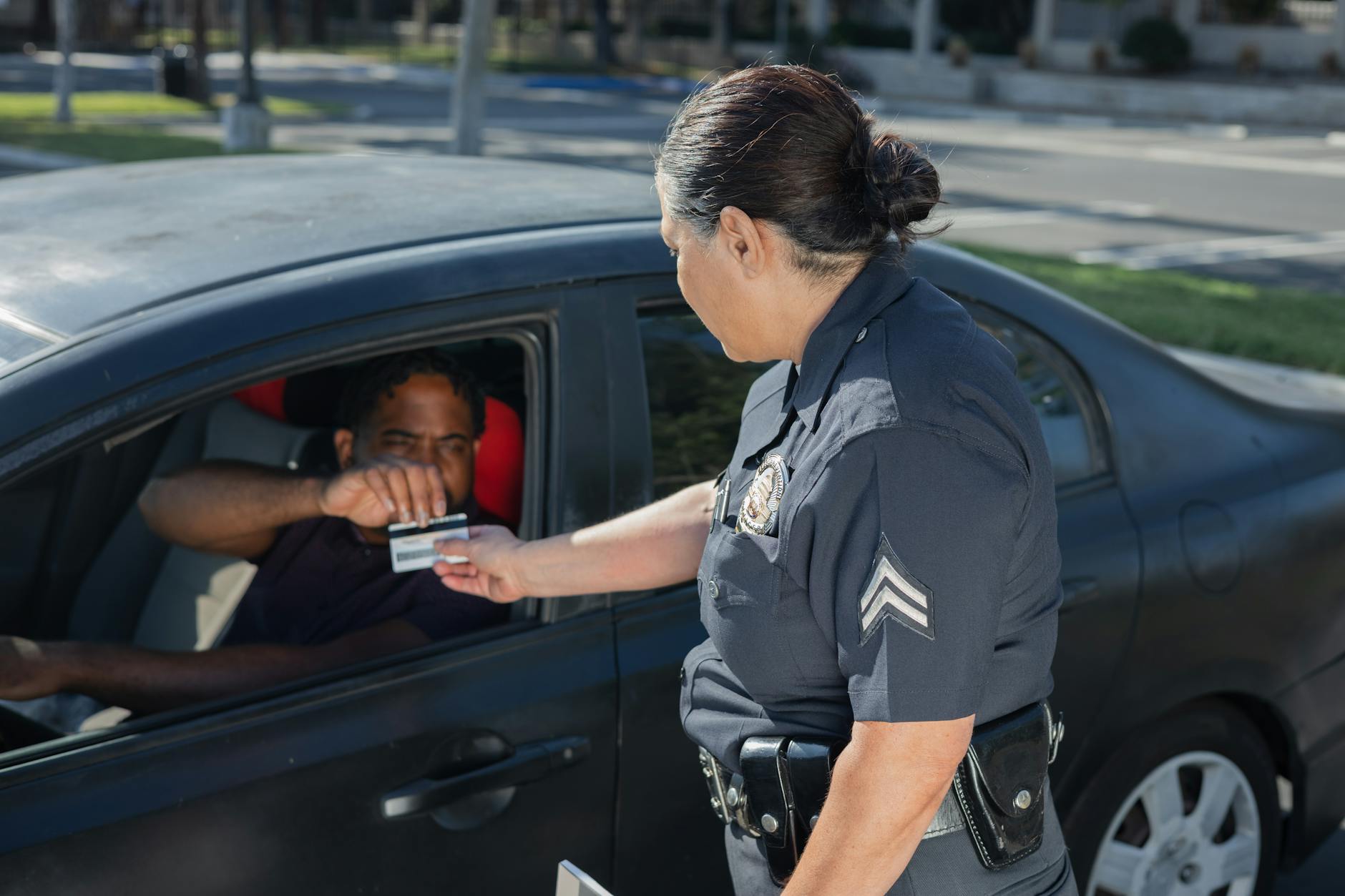
What should I do if I encounter a police officer who pulls me over?
If a police officer pulls you over, remain calm, turn on your hazard lights, and pull over to a safe location on the right side of the road. Keep your hands visible on the steering wheel. When the officer approaches, be polite and provide your license, registration, and insurance as requested. Avoid sudden movements.
How can I avoid distracted driving?
To avoid distracted driving, set your GPS before you start driving, put your phone on silent or in a place where you can’t easily reach it, avoid eating or drinking complex items while driving, and limit conversations with passengers to brief exchanges. The key is to dedicate your full attention to the task of driving.