
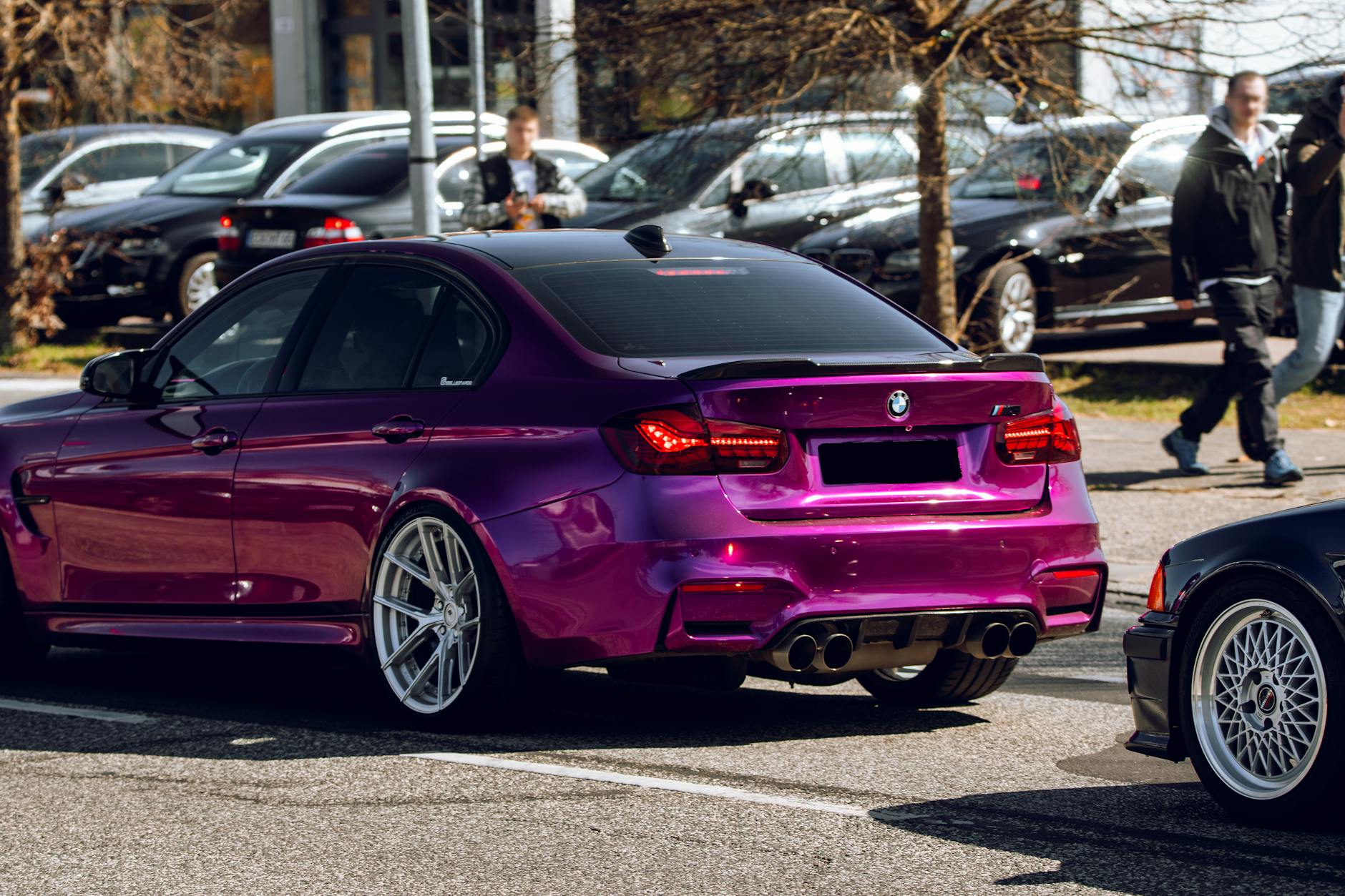
Ever looked at a flashy custom paint job and wondered if it’s legal? We all love a unique vehicle, and sometimes, that uniqueness extends to the color of our cars. But before you commit to that eye-catching neon green or a camouflage wrap, it’s crucial to understand that not all car colors are created equal in the eyes of the law. While many jurisdictions are fairly lenient, there are specific regulations and guidelines that govern vehicle paint jobs, and falling foul of them could surprisingly lead to a ticket.
This isn’t about restricting personal expression; it’s primarily about safety and identification. Certain colors can be outlawed to prevent confusion with emergency vehicles, ensure visibility for other drivers, or even comply with specific government regulations for commercial or fleet vehicles. Understanding these nuances can save you from unexpected fines and the hassle of having to repaint your beloved ride.
This article will delve into the world of illegal car colors, decode the regulations you need to be aware of, and help you determine if your desired paint job will land you a ticket. We’ll explore the common reasons for color restrictions, what colors are generally problematic, and How to ensure your vehicle remains road-legal and stylish.
The “Why” Behind Car Color Laws
You might be surprised to learn that the primary reasons behind regulations on car colors are rooted in public safety and identification. It’s not about arbitrary taste; it’s about ensuring our roads are as safe and efficient as possible. Let’s break down the key contributing factors:
Preventing Confusion with Emergency Services
This is perhaps the most significant reason for color restrictions. In many regions, specific hues are reserved for police cars, fire trucks, ambulances, and other official emergency vehicles. Allowing civilian vehicles to sport these exact colors could lead to dangerous confusion on the road. Imagine mistaking a civilian vehicle for an unmarked police car or a fire truck approaching an intersection. The potential for delayed response times or dangerous misunderstandings is immense. Therefore, colors like specific shades of blue, red, or even fluorescent yellow might be restricted or require specific markings to differentiate them from official vehicles.
Ensuring Visibility and Accident Prevention
Visibility plays a critical role in road safety. While bright, vibrant colors might seem appealing, some can actually be detrimental to a vehicle’s visibility, especially in certain weather conditions or at night. Conversely, colors that are too dark might blend in with shadows or the road surface, making them harder to spot, particularly for drivers with impaired vision or during low-light conditions. Regulations, though not always explicit about specific shades for this reason, aim to ensure vehicles are generally discernible. For example, a completely black vehicle with no reflective elements might pose a problem in certain environments.
Identification and Tracking
In some specialized cases, car color regulations are tied to vehicle identification and tracking, particularly for commercial fleets or government-owned vehicles. Specific colors might be mandated to easily identify vehicles belonging to a particular company or agency for administrative or logistical purposes. While this is less likely to affect the average car owner, it’s part of the broader regulatory landscape surrounding vehicle appearance.
Commonly Restricted Car Colors and Materials
While laws vary significantly by state, country, and even city, there are some common threads when it comes to car colors and materials that tend to raise red flags. Understanding these can be a good starting point for your research.
Camouflage and Military-Style Paint Jobs
Camouflage paint jobs, especially those mimicking military patterns, are often considered problematic. The reasoning here is multifaceted. Primarily, they can be seen as an attempt to impersonate military or law enforcement vehicles, which, as discussed, can cause confusion. Furthermore, in some areas, displaying such patterns might be discouraged for reasons of public perception or to avoid unintended associations.
Neon and Extremely Bright Colors
While not always outright banned, extremely bright, neon colors can sometimes be scrutinized. The concern, as mentioned, is often related to visibility. While a bright color might seem like it *increases* visibility, some officials argue that overly intense or fluorescent colors can be distracting or even temporarily blinding to other drivers, especially when combined with sunlight glare. It’s less about being too bright and more about the *type* of brightness and its potential to disorient.
Wrap Materials and Finishes
It’s not just about the paint itself. The material and finish of a wrap can also be an issue. Highly reflective or mirror-like finishes, for instance, can create significant glare, posing a danger to other motorists. Some jurisdictions also have rules about the reflectivity of vehicle surfaces to ensure proper visibility. Similarly, wraps that completely obscure the vehicle’s original color or intent could fall under scrutiny.
Navigating Local Regulations: Your Crucial First Step
The most important takeaway is that car color laws are not universal. What might be permitted in one city could earn you a ticket in another. Therefore, your first and most crucial step before embarking on a custom paint job is to thoroughly research the regulations in your specific jurisdiction.
Where to Find Information
Your primary source of information should be your local Department of Motor Vehicles (DMV) or the equivalent transportation authority in your region. Their websites often contain detailed information on vehicle equipment and modification regulations. You can also contact them directly via phone or in person for clarification. Additionally, local police departments, particularly traffic enforcement divisions, can often provide guidance on what they observe as violations.
Understanding the Nuances
Pay close attention to the wording. Laws might not explicitly list prohibited colors but rather refer to general principles like “causing undue distraction” or “impersonating emergency vehicles.” This means even a color not explicitly mentioned could be deemed illegal if it falls under these broader categories. Look for information regarding reflective materials, visibility requirements, and any specific prohibitions on paint types or patterns.
What Happens if Your Car Color is Illegal?
Discovering that your custom paint job violates local ordinances can be a frustrating experience. However, understanding the potential consequences can help you address the situation proactively.
Receiving a Ticket
The most common consequence of an illegal car color is a traffic ticket. This typically comes with a fine. The severity of the fine can vary depending on the jurisdiction and the specific regulation violated. Sometimes, the ticket might be a “fix-it ticket,” giving you a grace period to rectify the issue without paying the full fine.
The Requirement to Repaint
In many cases, especially with fix-it tickets, you will be required to repaint your vehicle to comply with the regulations. This means incurring the cost of repainting, which can be significant, on top of any fines you may have already paid. Failing to repaint within the allotted time could lead to more serious penalties, including impoundment of your vehicle.
Potential for Immediate Enforcement
While less common, in some extreme cases where a color or paint job is deemed exceptionally dangerous or an obvious attempt to impersonate official vehicles, law enforcement might have the authority to require immediate remediation or even prevent you from driving the vehicle until it’s corrected.
Tips for Choosing a Legal and Stylish Paint Job
The good news is that you don’t have to sacrifice style for legality. With a little planning and awareness, you can achieve a unique and personalized look for your car without running afoul of the law.
Stick to Standard, Non-Confusing Colors
Generally, standard automotive colors like various shades of black, white, silver, grey, blue, red, green, and yellow are safe bets. Unless these are presented in a highly unusual or imitative manner, they are unlikely to cause issues. Focus on variations within these palettes rather than extreme, attention-grabbing hues that might border on problematic.
Consider Professional Advice
If you’re set on a more unconventional color or finish, consult with a reputable automotive customization shop or paint professional. They are often well-versed in local regulations regarding vehicle modifications and can advise you on legal alternatives or subtle variations that achieve a similar aesthetic without breaking the law.
Prioritize Visibility and Safety
Think about how your chosen color will perform in different lighting and weather conditions. A color that looks amazing in bright sunlight might disappear on a foggy morning. Opting for finishes that don’t create excessive glare is also a wise choice. At the end of the day, a stylish car is also a safe car.
In conclusion, while the allure of a unique car color is undeniable, it’s essential to be informed about the legalities. By understanding the reasons behind color regulations, researching your local laws diligently, and making smart choices, you can enjoy a personalized and eye-catching vehicle that stays on the right side of the law. Don’t let a ticket put a damper on your automotive dreams – decode the rules and drive with confidence!
Frequently Asked Questions about Illegal Car Colors
Can I paint my car camouflage?
Generally, camouflage paint jobs are often discouraged or outright illegal in many jurisdictions due to potential confusion with military or law enforcement vehicles. It’s best to check your local regulations, but it’s a risky choice.
Are neon colors illegal for cars?
While outright bans on neon colors are rare, some locales may have restrictions if the color is deemed excessively bright, distracting, or potentially hazardous for visibility. It often depends on the specific shade and its potential to disorient other drivers.
What happens if I get a ticket for my car color?
If you receive a ticket for an illegal car color, you will likely face a fine. In many cases, you will be issued a “fix-it ticket” and given a deadline to repaint your vehicle to comply with the law. Failure to do so can result in further penalties.
How do I find out if my car’s color is legal?
The best way to find out is to check with your local Department of Motor Vehicles (DMV) or the equivalent transportation authority in your area. Their websites or customer service lines can provide specific information on vehicle modification laws, including paint colors.