
Dreaming of a car that truly reflects your personality and driving style? Modifying your vehicle can be an incredibly rewarding experience, transforming your everyday commute into something spectacular. From sleek cosmetic upgrades to performance-enhancing tweaks, the possibilities are virtually endless. However, the world of car modifications is a minefield of legalities. What looks cool and performs brilliantly on your favourite YouTube channel might land you in trouble with the law, leading to hefty fines, failed inspections, or even having your vehicle impounded. This guide aims to demystify the legal landscape of car modifications, ensuring you can tune your ride with confidence and peace of mind.
Navigating the often-complex regulations surrounding vehicle modifications can feel daunting. Different regions and countries have their own specific rules, and staying compliant is crucial for safe and legal driving. We’ll break down the common areas of modification, highlighting what’s generally permissible and what you should steer clear of. Our goal is to empower you with the knowledge to make informed decisions, so you can enjoy your customized vehicle without fear of legal repercussions. Let’s dive into The Ultimate guide to legal car modifications!
Understanding Local Regulations is Key
Before you even think about buying that aftermarket exhaust or spoiler, the absolute first step is to understand your local laws. Vehicle modification regulations are not uniform. They can vary significantly by country, state, province, or even city. These laws are typically in place to ensure vehicle safety, reduce noise pollution, and maintain emission standards. Ignoring these regulations is a common pitfall for many enthusiasts, and it’s the quickest way to turn a fun project into a legal headache.
Research is Your Best Friend
Your primary source for this information should be your local department of motor vehicles (DMV), transportation authority, or equivalent government agency. They usually provide detailed documentation on what is and isn’t allowed. Look for information on:
- Lighting: Restrictions on colours, brightness, and placement of auxiliary lights.
- Exhaust Systems: Noise level limits, catalytic converter requirements, and emissions standards.
- Tyres and Suspension: Regulations on tyre size, tread depth, and suspension lift or drop.
- Body Modifications: Rules regarding bumpers, spoilers, body kits, and protruding parts.
- Window Tinting: Permissible levels of tint for front and rear windows.
Consult Professionals
If you’re undertaking significant modifications, consider consulting with a mechanic specializing in vehicle modifications or a legal advisor familiar with automotive law in your area. They can offer expert guidance and help you avoid costly mistakes.
Legally Permitted Cosmetic Modifications
Cosmetic modifications are often the most appealing starting point for many car enthusiasts. These changes focus on enhancing the aesthetics of your vehicle, making it stand out from the crowd. Fortunately, many cosmetic upgrades are perfectly legal, provided they don’t compromise safety or obscure essential vehicle components.
Paint and Vinyl Wraps
Changing the colour of your car through painting or vinyl wraps is generally allowed. You might need to update your vehicle registration details with the new colour, but the modification itself is usually not an issue. Just ensure the new colour doesn’t resemble emergency vehicle lights.
Wheels and Tyres
Upgrading your wheels and tyres can dramatically change your car’s look and feel. While you generally have flexibility, ensure the new setup doesn’t cause the tyres to extend beyond the vehicle’s bodywork (unless specific fender flares are added to cover them) or negatively impact the speedometer’s accuracy. Check local laws regarding the maximum permitted tyre diameter relative to the original specification.
Spoilers and Body Kits
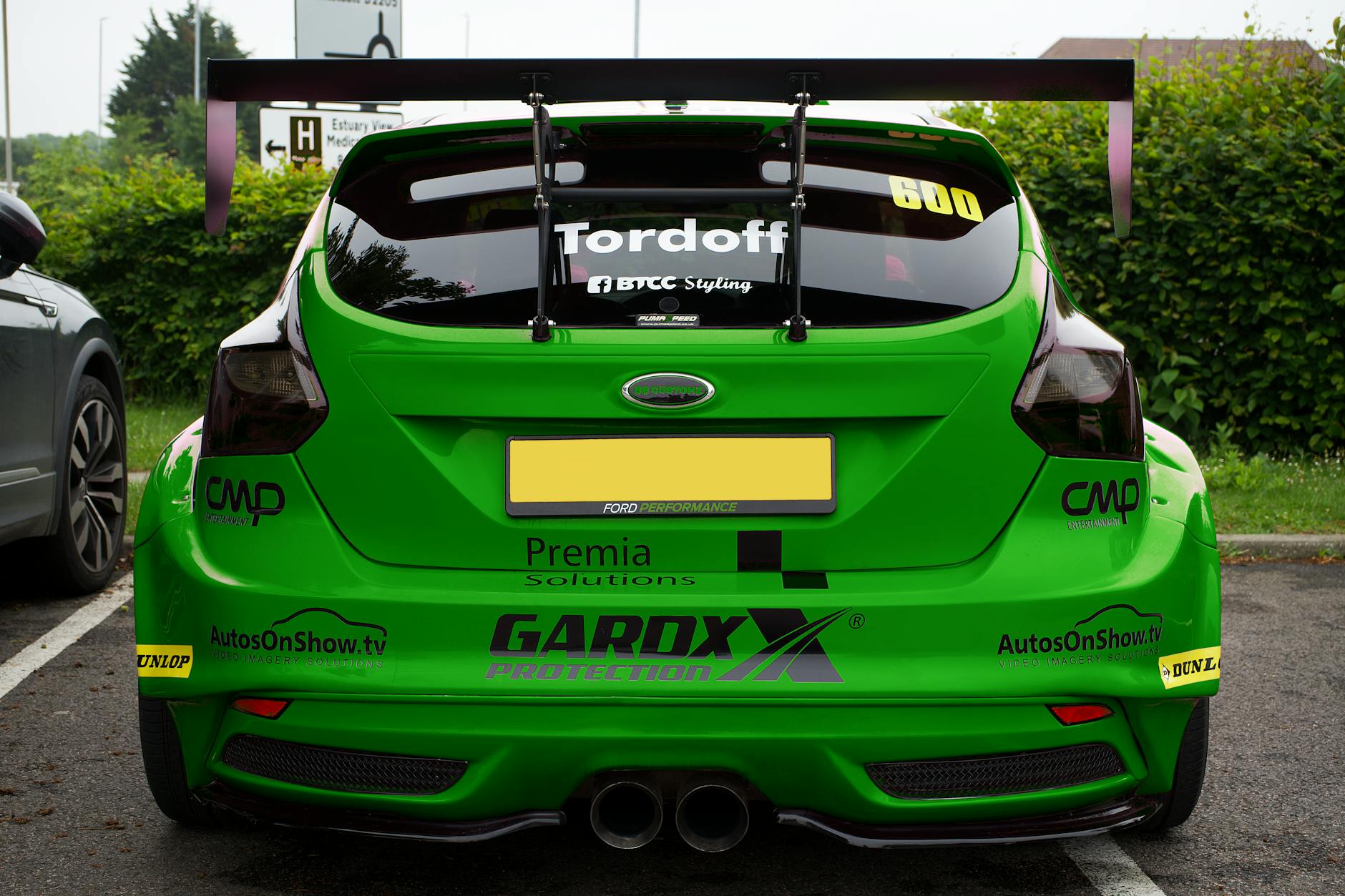
Many aftermarket spoilers and body kits are legal. However, ensure they are securely fitted and do not have sharp edges that could pose a hazard. Some extreme designs that significantly alter the vehicle’s dimensions or add protruding elements might be restricted. Always verify that any additions do not block lights, indicators, or vital safety features.
Window Tinting
Window tinting is a popular modification for privacy and reducing interior heat. However, most jurisdictions have strict rules on the level of tint allowed on front side windows and the windscreen to ensure visibility for the driver and law enforcement. Lighter tints are usually permissible on rear windows.
Performance Modifications: Tread Carefully
Performance modifications aim to enhance your car’s power, handling, and overall driving dynamics. This is where legal scrutiny often intensifies, as these changes can directly affect safety and environmental impact.
Engine Tuning and ECU Remapping
ECU remapping, or chip tuning, can boost engine performance by altering the engine control unit’s software. This is generally legal, but it’s crucial that the modifications do not cause your vehicle to exceed emissions standards. Tampering with or removing catalytic converters is illegal in most places due to environmental regulations.
Intake and Exhaust Systems
Upgrading your air intake system can improve airflow to the engine. Similarly, a performance exhaust can enhance sound and flow. However, noise levels are a major concern. Most regions have specific decibel limits for vehicle exhausts, and any modification that makes your car excessively loud will likely be illegal. Ensure your exhaust system still includes or properly bypasses emissions control equipment where required.
Suspension Upgrades
Modifying your suspension can improve handling and allow for larger wheels or a different ride height. While lowering or raising your vehicle is often permissible, there are usually limits on how extreme these changes can be. Excessive lowering can scrape the undercarriage, and excessive lifting can make the vehicle unstable. Ensure your modified suspension still meets safety and stability requirements.
Lighting Modifications: A Common Pitfall
Vehicle lighting is heavily regulated for a reason: to ensure clear visibility for drivers and prevent dazzling or confusing other road users. While some lighting enhancements are legal, many can quickly land you in trouble.
Headlights and Taillights
Upgrading to brighter or different coloured bulbs (e.g., HID or LED conversions) can be problematic. Ensure any new bulbs are road-legal and correctly fitted to avoid blinding oncoming traffic. Replacing factory taillights with aftermarket units is usually fine, but avoid extreme colours or designs that could be mistaken for brake lights or indicators.
Auxiliary Lights
Adding extra lights, such as fog lights or light bars, is where regulations are often strictest. Many areas prohibit the use of coloured auxiliary lights (like blue or red) outside of emergency vehicles. Also, ensure these lights are only activated when appropriate (e.g., fog lights only in fog). Check local laws regarding the number, placement, and type of auxiliary lights permitted.
Underglow Kits
Underglow lighting, while visually striking, is illegal in most jurisdictions. These lights are typically considered decorative and can be distracting or misleading to other drivers, especially at night. It’s best to avoid this type of modification altogether if you want to stay legal.
Legal Compliance for Safety and Inspection
Ultimately, the legality of any modification hinges on whether it compromises your vehicle’s safety or compliance with roadworthiness standards. Many regions require vehicles to pass periodic inspections to ensure they are safe to operate.
Retaining Safety Features
Any modification must not disable or compromise original safety features. This includes airbags, seatbelts, anti-lock braking systems (ABS), and electronic stability control (ESC). For example, overly aggressive suspension modifications could affect the performance of ABS or ESC.
Roadworthiness Standards
Ensure your modifications don’t make your vehicle unsafe to drive. This covers aspects like:
- Brakes: Ensure any performance upgrades don’t overload or compromise the braking system.
- Steering: Modifications should not impede the steering mechanism.
- Visibility: Ensure all windows, mirrors, and lights provide adequate visibility.
- Structural Integrity: Any bodywork changes shouldn’t weaken the vehicle’s structure.
Inspection Requirements
Always consider the implications for your vehicle’s next inspection. Items that might be overlooked by law enforcement on the street could be flagged during a formal inspection. If a modification is illegal, it will almost certainly result in a failed inspection.
Conclusion: Modify Responsibly
Customizing your car is a fantastic way to express your individuality and enhance your driving experience. By understanding and respecting the legal boundaries, you can embark on your modification journey with confidence, ensuring your vehicle is not only unique but also safe and road-legal. Always prioritize research, consult regulations, and consider the safety implications of every change you make. Happy (and legal) modding!
Ready to start your car modification project? Begin by researching your local regulations. If you’re unsure about a specific modification, err on the side of caution and seek professional advice. Don’t let a legal oversight ruin your passion for cars!
Frequently Asked Questions (FAQ)
Is it legal to change my car’s exhaust system?
It depends on the specific regulations in your area. While many aftermarket exhausts are legal, they must meet noise level restrictions and emissions standards. Tampering with or removing catalytic converters is generally illegal.
Can I install a large rear wing or spoiler?
Generally, yes, as long as it is securely fitted, doesn’t have sharp edges, and doesn’t obstruct visibility or lighting. Extremely large or protruding spoilers may be subject to specific restrictions.
What about tinting my car windows?
Window tinting is allowed in most places, but there are usually strict limits on the VLT (Visible Light Transmission) percentage, especially for front windows and the windscreen, to ensure driver visibility.
Are LED headlights legal?
LED headlight conversions are legal in many regions, provided they are designed for road use, emit the correct beam pattern, and do not cause glare to oncoming drivers. Always ensure they are ECE or DOT compliant if applicable.