
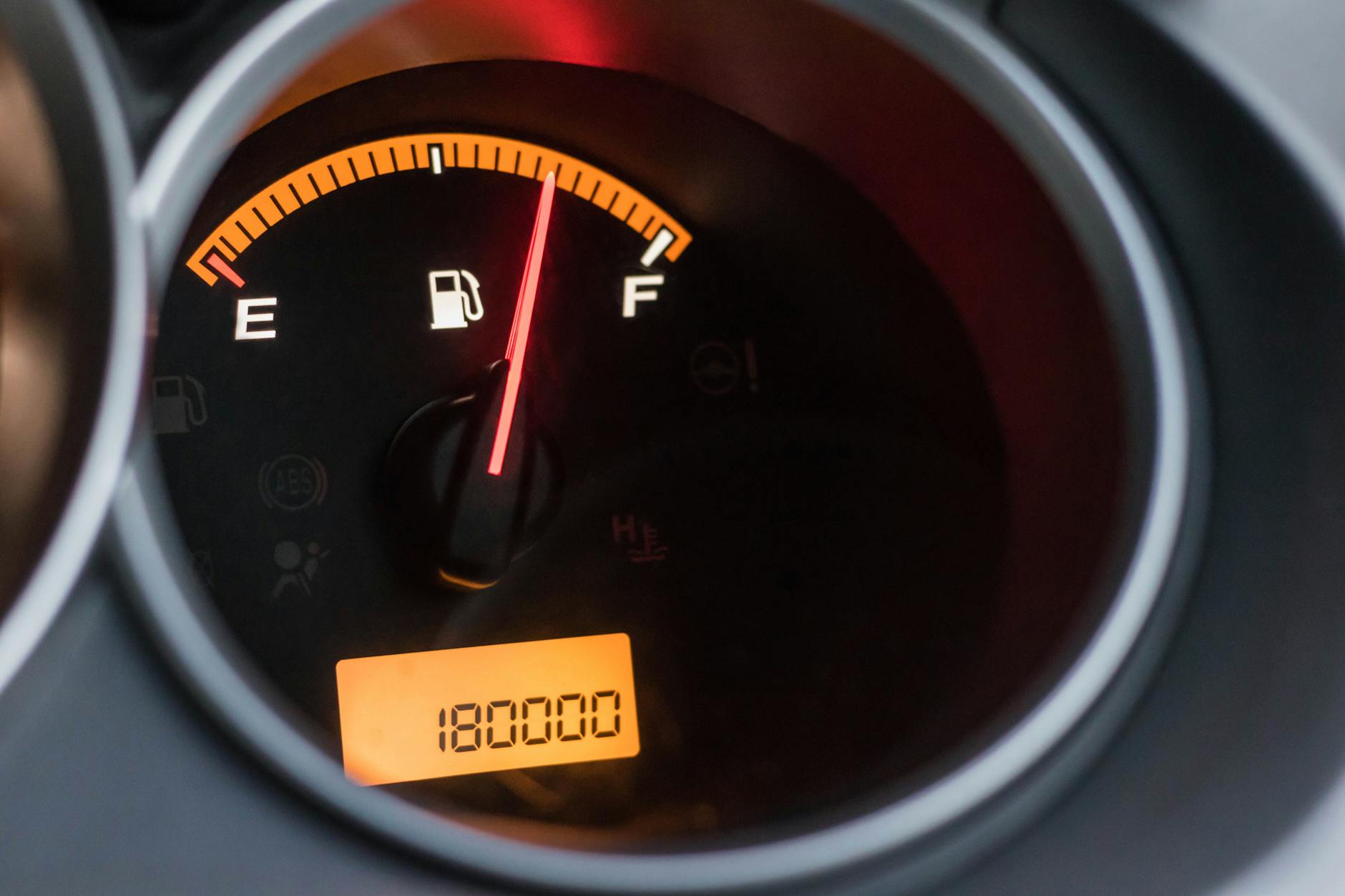
In today’s economic climate, every penny counts, and that includes the money you spend at the gas pump. You might think your car’s fuel economy is solely determined by its make and model or your driving style, but did you know that your maintenance habits play a colossal role? Neglecting regular upkeep can significantly drain your wallet by forcing your vehicle to consume more fuel than it needs to. This article delves into the essential maintenance practices that directly impact your gas mileage, helping you keep more money in your pocket and reduce your environmental footprint.
Driving a fuel-efficient vehicle isn’t just about saving money; it’s also about making smarter, more sustainable choices. Simple, consistent maintenance tasks can Unlock Your car’s true potential for fuel efficiency. Forget costly tune-ups and guesswork – we’re talking about actionable steps you can take to ensure your car runs at its peak performance, mile after mile. Let’s explore how a little proactive care can lead to substantial savings at the pump.
Tire Pressure: The Foundation of Fuel Efficiency
Perhaps the most overlooked yet impactful maintenance task for fuel economy is maintaining proper tire pressure. Underinflated tires create more rolling resistance, meaning your engine has to work harder to move the vehicle forward. This translates directly to increased fuel consumption.
The Science Behind It
When tires lack sufficient air, their contact patch with the road becomes larger and deforms more significantly. This increased friction is a major drain on your car’s power and, consequently, its fuel efficiency. Studies have shown that even a few PSI (pounds per square inch) below the recommended level can reduce your gas mileage by as much as 3%.
How to Maintain Optimal Tire Pressure
- Check Regularly: Aim to check your tire pressure at least once a month, and before long road trips. Do this when the tires are cold (driven less than a mile) for the most accurate reading.
- Find the Correct PSI: The recommended tire pressure for your vehicle can be found on a sticker located on the driver’s side doorjamb, in your owner’s manual, or sometimes on the fuel filler door. Do NOT use the maximum pressure listed on the tire’s sidewall, as this is the maximum it can hold, not the recommended operating pressure.
- Invest in a Gauge: A reliable tire pressure gauge is an inexpensive tool that will save you money in the long run.
- Consider Nitrogen: While not essential for most drivers, nitrogen-filled tires can maintain pressure more consistently than air, especially with temperature fluctuations, potentially offering a slight edge in fuel efficiency.
Properly inflated tires not only improve fuel economy but also enhance tire longevity and driving safety. It’s a win-win-win situation.
Engine Air Filter: Letting Your Engine Breathe Easy
Your engine needs a constant supply of clean air to combust fuel efficiently. The engine air filter is responsible for trapping dust, dirt, and other debris before they can enter the engine’s combustion chamber. A clogged air filter restricts airflow, making your engine struggle and consume more fuel.
Symptoms of a Clogged Air Filter
If your engine air filter is dirty, you might notice:
- Reduced acceleration
- Engine misfires
- A noticeable decrease in fuel economy
- A “check engine” light
- Unusual engine noises
When to Replace Your Air Filter
The replacement interval for an engine air filter varies depending on your driving conditions. If you drive in dusty or polluted environments, you’ll need to replace it more frequently. A general guideline is to inspect it every 15,000-30,000 miles, or as recommended in your owner’s manual. Many manufacturers suggest a replacement every 12,000 to 15,000 miles. It’s a relatively simple DIY task that can significantly boost your MPG.
Spark Plugs: The Igniting Factor
Spark plugs are crucial for igniting the air-fuel mixture in your engine cylinders. Worn-out or fouled spark plugs can lead to incomplete combustion, misfires, and a significant drop in fuel efficiency. They are the heart of your engine’s ignition system.
The Impact of Worn Spark Plugs
When spark plugs are not functioning optimally, the spark they produce might be weak or inconsistent. This means not all the fuel in the cylinder is burned completely, leading to wasted fuel and increased emissions. You might experience rough idling, hesitation during acceleration, and yes, poor gas mileage.
Spark Plug Maintenance and Replacement
The lifespan of spark plugs varies greatly depending on the type of plug. Platinum and iridium plugs can last much longer than traditional copper plugs. Refer to your vehicle’s maintenance schedule for recommended replacement intervals, which can range from 30,000 to over 100,000 miles. Regularly inspecting your spark plugs during minor tune-ups can help catch issues early and ensure optimal engine performance and fuel economy.
Oil Changes: Lubrication for Efficiency
Regular oil changes are vital for the overall health and performance of your engine. The engine oil lubricates moving parts, reduces friction, cleanses the engine, and helps dissipate heat. Clean, fresh oil allows your engine to operate more smoothly and efficiently, directly impacting fuel economy.
Why Oil Quality Matters for MPG
As engine oil ages, it breaks down and loses its lubricating properties. Thick, degraded oil creates more internal friction, forcing your engine to work harder and consume more fuel. Using the correct viscosity of oil as recommended by your vehicle manufacturer is also critical. Too thick or too thin can both negatively affect fuel efficiency.
Adhering to an Oil Change Schedule
Follow your vehicle manufacturer’s recommended oil change intervals, which are typically found in the owner’s manual. These intervals can range from 3,000 to 10,000 miles or more, depending on the type of oil used (conventional vs. synthetic) and your driving habits. Don’t rely solely on the “service engine soon” light; stick to the recommended schedule for optimal fuel economy and engine longevity.
Oxygen Sensors: The Fuel Guiding System
Oxygen sensors, also known as O2 sensors, are critical components of your engine’s fuel management system. They measure the amount of unburned oxygen in your exhaust gases and send this information to the engine control module (ECM). The ECM then adjusts the air-fuel mixture to ensure optimal combustion.
When O2 Sensors Go Bad
A malfunctioning oxygen sensor can cause the ECM to receive incorrect readings, leading to an overly rich or lean fuel mixture. An overly rich mixture means too much fuel is being injected, which is then wasted and further decreases your MPG. A lean mixture can cause engine damage over time. Ignoring a failing O2 sensor is a sure way to see your fuel costs skyrocket.
Recognizing and Replacing Failing O2 Sensors
Symptoms of a failing oxygen sensor include a decrease in fuel economy, a rough idle, increased emissions, and often, a “check engine” light. If your check engine light illuminates, it’s wise to have the O2 sensors checked by a qualified mechanic. Replacing a faulty O2 sensor is a relatively straightforward repair that can restore your vehicle’s fuel efficiency and reduce harmful emissions.
By incorporating these essential maintenance habits into your routine, you’re not just performing basic upkeep; you’re actively investing in your vehicle’s fuel efficiency. Small, consistent efforts like maintaining proper tire pressure, changing your air filter, replacing old spark plugs, adhering to oil change schedules, and addressing potential O2 sensor issues can collectively lead to significant savings at the pump. Don’t underestimate the power of proactive maintenance. Start today and transform your car from a gas guzzler into a fuel-sipping champion!
Frequently Asked Questions (FAQ)
What is the most important maintenance for fuel economy?
While several factors contribute to fuel economy, maintaining proper tire pressure is often cited as the most critical and easily overlooked maintenance task. Underinflated tires significantly increase rolling resistance and lead to a noticeable drop in MPG.
How often should I check my tire pressure?
It’s recommended to check your tire pressure at least once a month and before any long road trips. Always check when the tires are cold for the most accurate reading.
Can a dirty air filter really affect my gas mileage that much?
Yes, a dirty air filter restricts the airflow into your engine. This forces the engine to work harder to get the air it needs, resulting in increased fuel consumption. It’s a simple fix that can often yield noticeable MPG improvements.
My “check engine” light is on. Should I worry about fuel economy?
Absolutely. The “check engine” light often indicates issues with emissions control systems, which are directly linked to fuel management. Problems with components like oxygen sensors or spark plugs can trigger this light and significantly impact your fuel economy. It’s best to get it diagnosed promptly.