
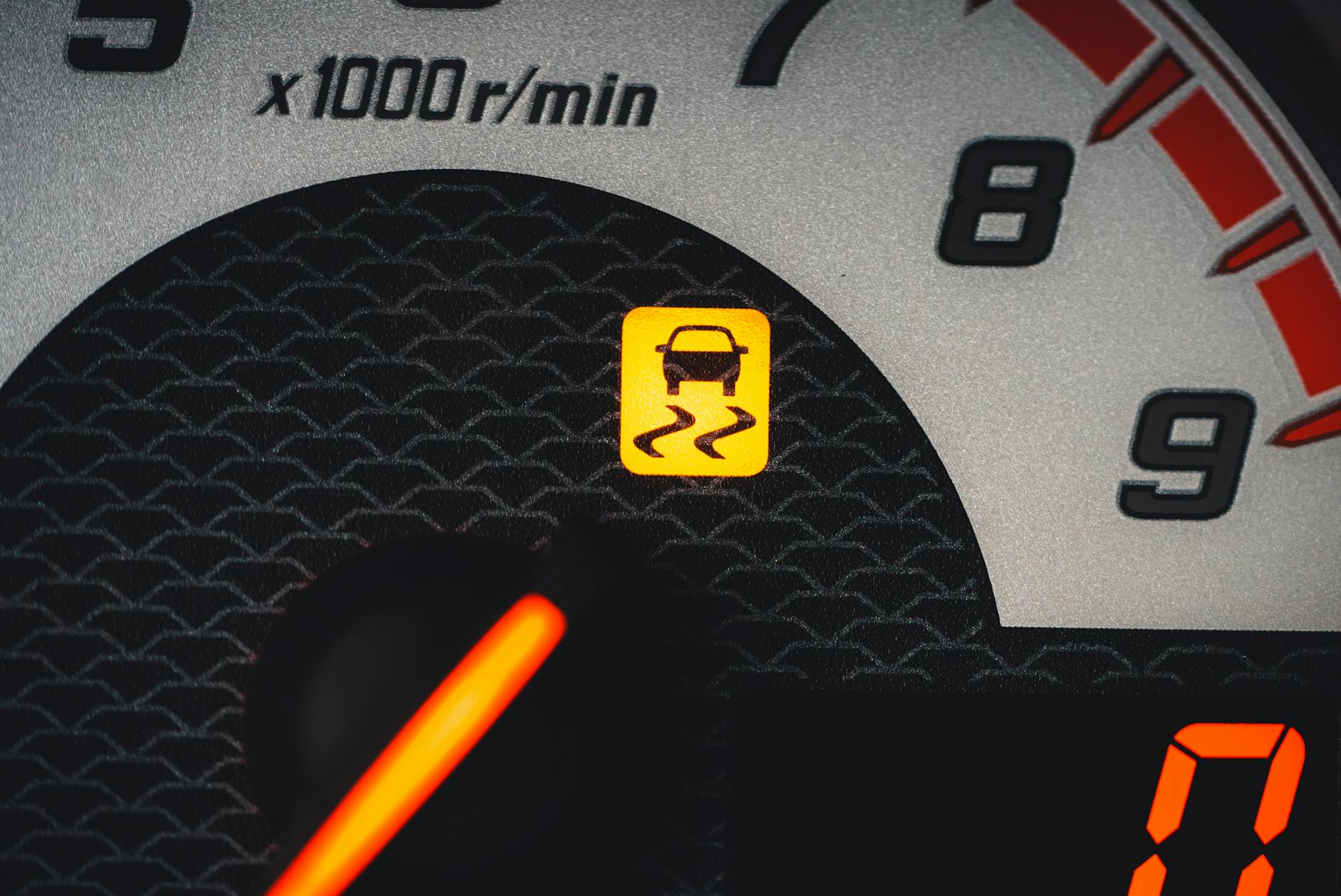
Ever been driving, minding your own business, when suddenly a little light pops up on your dashboard, glowing ominously? That moment of uncertainty is a common one. Car warning lights are designed to alert you to potential issues, but for many drivers, they remain a mystery, a source of anxiety rather than a helpful diagnostic tool.
Ignoring these illuminated signals can lead to minor inconveniences escalating into costly repairs, or worse, compromising your safety on the road. Understanding what each dashboard warning light signifies is crucial for proactive car maintenance and ensuring your vehicle runs smoothly and reliably. This comprehensive guide is here to demystify those colorful icons and empower you with the knowledge to respond appropriately.
The Most Common Dashboard Warning Lights Explained
Let’s dive into the most frequently encountered dashboard warning lights and break down precisely what they mean and what action you should take. Recognizing these symbols can save you time, money, and potential headaches down the road.
Engine Warning Light (Check Engine Light)
Often illuminated as a yellow or orange engine outline, the check engine light is one of the most prevalent and sometimes confusing warning lights. It signals that your car’s onboard diagnostic system (OBD-II) has detected a problem with the engine or its associated emissions control system. This can range from something as simple as a loose gas cap to more serious issues like a faulty oxygen sensor, catalytic converter problems, or ignition system malfunctions.
What to Do When It Illuminates:
- Don’t Panic: While it requires attention, it doesn’t always mean immediate danger.
- Check Your Gas Cap: Ensure it’s tightened securely. Sometimes, this is the culprit.
- Observe Driving Performance: Notice any changes in acceleration, fuel economy, or strange noises.
- Seek Professional Diagnosis: The best course of action is to have a mechanic read the diagnostic trouble codes (DTCs) with an OBD-II scanner. This will pinpoint the exact issue.
Brake System Warning Light
This symbol often appears as a circle with an exclamation point inside, or sometimes as the word “BRAKE.” It can indicate one of two main issues: low brake fluid levels or a problem with the braking system itself, including worn brake pads or a malfunctioning ABS (Anti-lock Braking System) component. In some vehicles, this light may also illuminate if the parking brake is engaged.
What to Do When It Illuminates:
- Check the Parking Brake: Ensure it’s fully disengaged.
- Check Brake Fluid Level: If safe to do so, check the brake fluid reservoir. If it’s low, it indicates a potential leak and requires immediate attention.
- Stop Driving Immediately: If the light remains on after checking the parking brake and the fluid level appears normal, it signifies a critical safety issue. Pull over as soon as it’s safe and arrange for a tow to a qualified mechanic. Your ability to stop your vehicle is paramount.
Battery Warning Light
Represented by a battery symbol, this light signifies an issue with your car’s charging system. This could mean the battery itself is failing to hold a charge, the alternator is not functioning correctly to recharge the battery, or there’s a problem with the associated wiring or belt.
What to Do When It Illuminates:
- Note Driving Conditions: Does the light flicker or stay on constantly?
- Check Battery Terminals: Ensure they are clean and secure (when the engine is off).
- Limit Electrical Usage: Turn off non-essential electronics like the radio and air conditioning to conserve battery power.
- Get to a Mechanic Promptly: Driving with a failing charging system will eventually leave you stranded. A mechanic can test the battery, alternator, and charging system components.
Oil Pressure Warning Light
Depicted as an oil can with a drip, this is a critical warning light. It indicates that the engine’s oil pressure has dropped to a dangerously low level. Low oil pressure can lead to severe and irreparable engine damage if ignored. This can be caused by low oil levels, a faulty oil pump, or a clogged oil filter.
What to Do When It Illuminates:
- Pull Over Safely and Immediately: This is not a light to ignore. If it illuminates, find a safe place to stop your vehicle as quickly as possible.
- Turn Off the Engine: Do not restart the engine until the cause is diagnosed.
- Check Oil Level: Once the engine has cooled, check the oil level using the dipstick. If it’s low, add the correct type of oil.
- Seek Professional Help: Even if adding oil resolves the immediate issue, it’s crucial to have a mechanic investigate the underlying cause to prevent further damage.
Tire Pressure Monitoring System (TPMS) Light
Usually a U-shaped symbol with an exclamation point inside, this light indicates that at least one of your tires has significantly low air pressure. Properly inflated tires are essential for safety, fuel efficiency, and tire longevity. This system uses sensors in each wheel to monitor pressure.
What to Do When It Illuminates:
- Check Tire Pressure: As soon as possible, check the air pressure in all your tires using a tire gauge. Inflate them to the recommended PSI (pounds per square inch), typically found on a sticker inside the driver’s side doorjamb or in your owner’s manual.
- Monitor for Leaks: If the light returns shortly after inflating, you may have a slow leak, a punctured tire, or a faulty TPMS sensor.
- Consider Temperature Changes: Tire pressure can fluctuate with ambient temperature. A sudden drop in temperature can cause the light to illuminate even if there isn’t a leak. Sometimes, the light will go off on its own once the tires reach operating temperature.
Conclusion: Be a Proactive Driver
Your dashboard warning lights are your car’s way of communicating with you. By understanding their meanings and responding promptly, you can prevent minor issues from becoming major problems. Regular maintenance, paying attention to your car’s signals, and seeking professional advice when needed are the cornerstones of safe and reliable driving. Don’t let those glowing symbols intimidate you; empower yourself with knowledge and ensure your journey is always a safe one.
Ready to tackle your car’s dashboard warnings? Schedule a diagnostic check with your trusted mechanic today!
FAQ
What is the most serious dashboard warning light to see?
The oil pressure warning light and the brake system warning light are generally considered the most critical. A lack of oil pressure can quickly lead to catastrophic engine failure, while compromised brakes put your safety and the safety of others at immediate risk.
Can I drive with the check engine light on?
In many cases, you can continue driving with the check engine light illuminated, especially if the light is steady and your car is not exhibiting any unusual behavior. However, it’s a strong indication that a problem exists and needs addressing. If the light is flashing, or if you notice significant performance issues, it’s best to pull over safely and have it inspected immediately.
How often should I check my tire pressure?
It’s recommended to check your tire pressure at least once a month and before long trips. You should also check them if you notice a significant change in outdoor temperature, as this can affect tire pressure.
What if my dashboard lights are flickering?
Flickering warning lights can be indicative of a loose electrical connection or a problem with the vehicle’s electrical system. This is often a sign that needs professional investigation by a mechanic.
Do I need to take my car to the dealership for dashboard light issues?
Not necessarily. While dealerships have specialized knowledge of your specific make and model, any reputable independent mechanic with the proper diagnostic equipment can usually diagnose and repair issues related to dashboard warning lights. However, for certain complex electronic issues, a dealership might be the best option.