
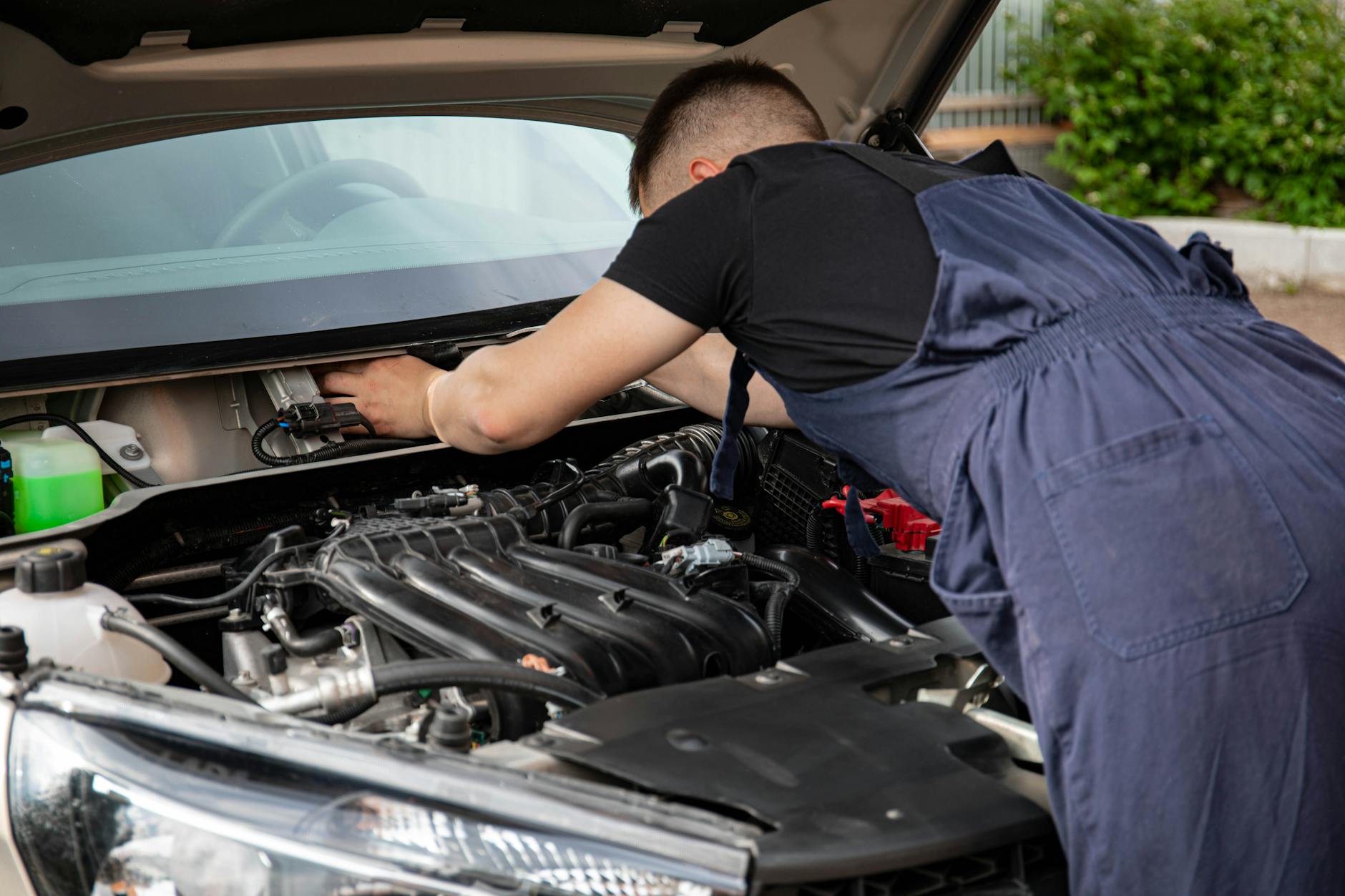
As a car owner, you’re probably familiar with the feeling: a strange noise, a warning light, or just a general sense that something isn’t quite right with your vehicle. While taking your car to a mechanic is often the best course of action, knowing How to handle a few basic DIY car maintenance tasks can save you time, money, and a whole lot of stress. It’s not just about being thrifty; it’s about empowerment and understanding your machine.
In this comprehensive guide, we’ll walk you through five essential DIY car maintenance repairs that every driver should know. We’ll break down each task into simple, actionable steps and, most importantly, emphasize safety. This knowledge will not only boost your confidence but also help you keep your car running smoothly and reliably for longer. Let’s dive in and unlock your inner car whisperer!
1. Checking and Topping Up Engine Oil
Engine oil is the lifeblood of your car. It lubricates moving parts, reduces friction, cools the engine, and helps prevent corrosion. Low oil levels can lead to severe engine damage. Regularly checking and topping up your engine oil is one of the simplest yet most crucial DIY car maintenance tasks.
Why it’s Important:
- Prevents engine wear and tear.
- Ensures optimal engine performance.
- Helps detect potential leaks early.
How to Do It Safely:
- Park on a Level Surface: Ensure your car is parked on a flat, level ground. This is crucial for an accurate reading.
- Let the Engine Cool: Wait for at least 10-15 minutes after turning off the engine to allow the oil to settle back into the oil pan. Hot oil can cause burns.
- Locate the Dipstick: Open the hood and find the engine oil dipstick. It usually has a brightly colored handle (often yellow or orange) and is labeled with an oil can symbol.
- Check the Oil Level: Pull out the dipstick, wipe it clean with a rag or paper towel, reinsert it fully, and then pull it out again. Examine the oil level against the markings on the dipstick (usually “MIN” and “MAX” or “ADD” and “FULL”).
- Top Up if Necessary: If the oil level is below the minimum mark, you’ll need to add oil. Consult your car’s owner’s manual for the correct type and viscosity of oil. Unscrew the oil filler cap (usually marked with “OIL”) and carefully pour in the recommended amount of oil, checking the dipstick periodically until the level is within the acceptable range. Do not overfill.
- Replace Cap and Dipstick: Securely replace the oil filler cap and reinsert the dipstick fully.
2. Replacing Your Windshield Wipers
Clear visibility is paramount for safe driving. Worn-out windshield wipers can smear rather than clear, creating dangerous blind spots, especially during heavy rain or snow. Replacing them Is a quick and easy auto repair that significantly improves safety.
When to Replace:
- Streaks or skipping on the windshield.
- Squealing noises when in use.
- Visible cracks or tears in the rubber blade.
- Poor wiping performance.
How to Do It Safely:
- Lift the Wiper Arm: Gently lift the wiper arm away from the windshield until it locks in place. Be careful not to let it snap back onto the glass, as this can damage the windshield.
- Locate the Release Tab: On the wiper blade assembly, find the small release tab or button where the blade connects to the arm.
- Remove the Old Blade: Press the release tab and slide the old wiper blade off the arm. Some have a lever mechanism you need to lift.
- Attach the New Blade: Slide the new wiper blade onto the wiper arm until it clicks into place. Ensure it’s securely fastened. Many new blades come with different adapters; check your new wiper’s instructions if unsure.
- Lower the Wiper Arm: Slowly lower the wiper arm back onto the windshield.
- Test: Spray some windshield washer fluid and test the new blades to ensure they’re wiping effectively.
3. Checking and Inflating Tires
Proper tire inflation is essential for fuel efficiency, tire longevity, and, most importantly, safety. Underinflated tires can lead to poor handling, increased braking distances, and a higher risk of blowouts. Overinflated tires can lead to a harsher ride and uneven wear.
Why Tire Pressure Matters:
- Improves fuel economy.
- Ensures optimal tire wear.
- Enhances vehicle handling and stability.
- Reduces the risk of a blowout.
How to Do It Safely:
- Find the Correct Tire Pressure: Check your car’s owner’s manual or the sticker on the driver’s side doorjamb for the recommended tire pressure (PSI – pounds per square inch). Do not use the maximum pressure listed on the tire sidewall.
- Purchase a Tire Pressure Gauge: A simple, inexpensive tire pressure gauge is a must-have tool.
- Check When Tires Are Cold: For the most accurate reading, check tire pressure when the car has been parked for a few hours, or before driving a significant distance.
- Remove Valve Cap: Unscrew the small cap from the tire’s valve stem.
- Use the Gauge: Press the tire pressure gauge firmly onto the valve stem. You’ll hear a slight hiss of air. Read the pressure displayed on the gauge.
- Add or Release Air:
- To add air: Use an air compressor (available at most gas stations). Connect the compressor hose to the valve stem and add air in short bursts, checking the pressure frequently with your gauge.
- To release air: Press the small pin in the center of the valve stem with the tip of your gauge or a small object.
- Replace Valve Cap: Once the correct pressure is reached, screw the valve cap back on tightly.
- Repeat for All Tires: Don’t forget the spare tire if your vehicle has one!
4. Replacing a Blown Fuse
Fuses are designed to protect your car’s electrical components from power surges. If a particular electrical accessory in your car stops working (like headlights, radio, or power windows), a blown fuse is often the culprit.
Common Signs of a Blown Fuse:
- Complete failure of a specific electrical component.
- A burning smell near the fuse box.
How to Do It Safely:
- Locate the Fuse Box: Your car likely has at least one fuse box, often located under the dashboard on the driver’s side or in the engine compartment. Consult your owner’s manual for the exact location.
- Identify the Correct Fuse: The fuse box cover or your owner’s manual will have a diagram showing the location and function of each fuse. Identify the fuse corresponding to the non-working component.
- Remove the Blown Fuse: Most fuse boxes come with a small plastic fuse puller. Use it to gently pull out the suspect fuse. If you don’t have a puller, you can often carefully grip the plastic top of the fuse with needle-nose pliers.
- Inspect the Fuse: A blown fuse will have a broken wire filament inside. If the wire is intact, the fuse is likely not the problem.
- Replace with a New Fuse: Ensure you replace the blown fuse with a new one of the exact same amperage (indicated by the color of the plastic top). Using a fuse with a higher amperage can damage the electrical system.
- Insert the New Fuse: Push the new fuse firmly into the socket.
- Test the Component: Turn on the car and test the electrical component to see if it’s working again.
5. Jump-Starting a Dead Battery
A dead car battery can leave you stranded. Knowing how to jump-start your car using jumper cables and another vehicle is an invaluable skill, especially in emergency situations.
Essential Tools:
- A set of jumper cables.
- Another vehicle with a working battery.
How to Do It Safely:
- Position the Vehicles: Park the working car close enough to the car with the dead battery so the jumper cables can reach both batteries, but ensure the vehicles are not touching.
- Turn Off Both Cars: Ensure both vehicles are turned off, and their parking brakes are engaged.
- Identify Battery Terminals: Locate the positive (+) and negative (-) terminals on both batteries. They are usually marked.
- Connect the Red (Positive) Cables:
- Attach one red clamp to the positive (+) terminal of the dead battery.
- Attach the other red clamp to the positive (+) terminal of the good battery.
- Connect the Black (Negative) Cables:
- Attach one black clamp to the negative (-) terminal of the good battery.
- Attach the other black clamp to an unpainted metal surface on the engine block or chassis of the car with the dead battery. Do not connect it directly to the dead battery’s negative terminal, as this can cause a spark that could ignite battery gases.
- Start the Working Car: Start the engine of the vehicle with the good battery and let it run for a few minutes to charge the dead battery.
- Start the Dead Car: Try to start the car with the dead battery. If it doesn’t start immediately, wait a few more minutes and try again.
- Disconnect the Cables: Once the car is running, carefully disconnect the jumper cables in the reverse order they were connected:
- Remove the black clamp from the car with the dead battery (from the metal surface).
- Remove the black clamp from the good battery’s negative terminal.
- Remove the red clamp from the good battery’s positive terminal.
- Remove the red clamp from the dead battery’s positive terminal.
- Keep the Car Running: Let the jumped car run for at least 15-20 minutes to allow the alternator to recharge the battery.
Taking care of these basic car maintenance tasks yourself can significantly prolong the life of your vehicle and save you considerable money. Remember, when in doubt, or if you encounter a problem beyond your skill level, always consult a qualified mechanic. Safety first is the golden rule of DIY auto care.
What other basic car maintenance tasks do you perform yourself? Share your tips and experiences in the comments below!
FAQ
Q1: How often should I check my engine oil?
It’s recommended to check your engine oil at least once a month, and before any long road trips. Also, check it if you notice any unusual engine noises or warning lights.
Q2: My car makes a loud squealing noise when I use the wipers. What should I do?
This is usually a sign that your wiper blades are worn out and need to be replaced. Check the rubber edges for cracks or tears, and if they’re not working efficiently, it’s time for new ones.
Q3: Can I use any type of tire inflator at a gas station?
Yes, most gas stations have air compressors. Just ensure you know the correct PSI for your tires and use a tire pressure gauge to avoid overinflating.
Q4: What happens if I use a fuse with the wrong amperage?
Using a fuse with a higher amperage than recommended can lead to damage to your car’s electrical system, potentially causing more expensive repairs. Always match the amperage exactly.
Q5: Is it safe to jump-start a car in the rain?
Yes, it’s generally safe, but take extra precautions. Ensure you wear gloves and avoid standing in puddles. Make sure the connections are solid and that no water gets into the battery vents.