
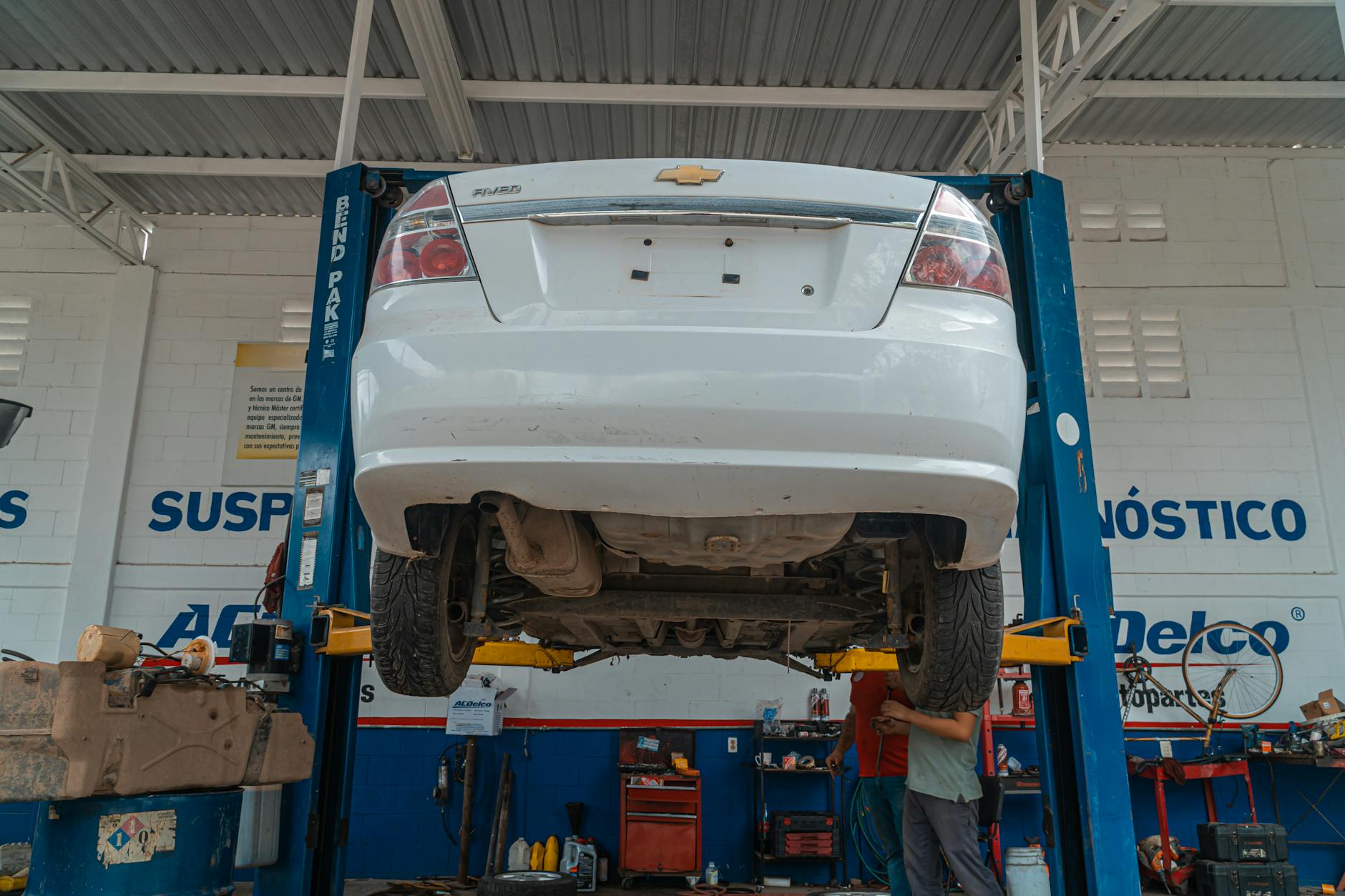
Your car is more than just a mode of transportation; it’s a significant investment and a vital part of your daily life. To ensure it runs smoothly, reliably, and safely for years to come, understanding and adhering to its service schedule is paramount. Neglecting these essential maintenance milestones can lead to costly repairs, diminished performance, and even safety hazards. But deciphering that often-cryptic service booklet can feel like cracking a secret code. This guide will break down the crucial maintenance intervals, empowering you to keep your vehicle in peak condition.
From routine oil changes to more complex inspections, each service appointment plays a specific role in your car’s overall health. Think of it as a preventative healthcare plan for your automobile. By proactively addressing potential issues and performing necessary upkeep, you’re not just saving money in the long run; you’re also enhancing your driving experience and preserving the resale value of your vehicle. Let’s demystify your car’s service schedule and highlight the absolute must-not-miss moments.
The Foundation: Routine Maintenance and What It Entails
The most frequent and often most crucial aspects of your car’s service schedule revolve around routine maintenance. These are the tasks performed at regular intervals, typically measured in mileage or time, and are designed to keep the fundamental systems of your vehicle operating efficiently. Skipping these can have cascading negative effects.
Oil and Filter Changes
This is the bedrock of automotive maintenance. Engine oil lubricates moving parts, reduces friction, dissipates heat, and cleans the engine. Over time, oil breaks down and collects contaminants. Regular oil changes, typically recommended every 5,000 to 10,000 miles or every 6 to 12 months (check your owner’s manual for specific recommendations), prevent engine wear and sludge buildup. Always replace the oil filter at the same time.
Tire Rotations and Inspections
Your tires are your car’s only point of contact with the road. Uneven tire wear can lead to reduced traction, poor handling, and decreased fuel efficiency. Tire rotations, usually recommended every 6,000 to 8,000 miles, ensure that wear is distributed evenly across all four tires, extending their lifespan. During these checks, mechanics will also inspect for inflation pressure, tread depth, and any signs of damage.
Fluid Checks and Top-Ups
Beyond engine oil, your car relies on several other vital fluids: coolant, brake fluid, power steering fluid, and transmission fluid. These fluids perform critical functions, and their levels and condition must be monitored. Low levels or contaminated fluids can lead to overheating, brake failure, and transmission damage. These checks are often part of scheduled service but can also be done more frequently if you notice any issues.
The “In-Between” Milestones: Intermediate Service Intervals
As your car accumulates mileage, certain components require more focused attention. These intermediate service intervals often involve checks and replacements that aren’t as frequent as oil changes but are still critical for long-term vehicle health and safety.
Brake System Inspections
Your brakes are non-negotiable for safety. Around the 15,000 to 30,000-mile mark (and typically annually), a thorough inspection of your brake pads, rotors, and brake fluid is essential. Early detection of wear on brake pads can prevent damage to more expensive rotors and ensure your stopping power remains optimal.
Air and Cabin Filter Replacement
The engine air filter prevents dust and debris from entering your engine, ensuring optimal combustion and performance. A clogged filter can reduce power and fuel economy. The cabin air filter, on the other hand, cleans the air you breathe inside the car. Replacing these filters, often recommended every 15,000 to 30,000 miles or annually, improves air quality and engine performance.
Battery Health Check
Your car’s battery is vital for starting your engine and powering its electrical systems. While batteries typically last 3 to 5 years, it’s wise to have its health checked during scheduled services, especially as it ages. Cold weather can be particularly hard on older batteries, so a proactive check can prevent a no-start situation.
Major Service Intervals: The Deeper Dive
Several key service intervals occur at higher mileage points, requiring more in-depth inspections and the potential replacement of components that wear out over time. These are often the services people associate with larger costs, but they are crucial for preventing catastrophic failures.
Spark Plug Replacement
Spark plugs ignite the fuel-air mixture in your engine cylinders. Worn-out spark plugs can lead to misfires, rough idling, reduced acceleration, and decreased fuel efficiency. Depending on the type of spark plug, replacement is often recommended between 30,000 and 100,000 miles. Always consult your owner’s manual.
Timing Belt/Chain Inspection and Replacement
Your timing belt (or chain) synchronizes the rotation of your engine’s crankshaft and camshafts, ensuring the engine’s valves open and close at the correct times. A broken timing belt is one of the most catastrophic engine failures and can result in severe, irreparable damage. Replacement is a significant but vital service, typically recommended between 60,000 and 100,000 miles. Some vehicles have a timing chain, which generally lasts longer but still requires inspection.
Coolant Flush and Replacement
Coolant prevents your engine from overheating in summer and freezing in winter. Over time, coolant can degrade, losing its protective properties and becoming corrosive. A coolant flush and replacement, usually recommended between 30,000 and 60,000 miles, removes old, contaminated coolant and replaces it with fresh fluid, protecting your engine and cooling system.
Transmission Service
Your transmission is a complex and vital system. Transmission fluid lubricates and cools the transmission components. Over time, this fluid can become dirty and lose its effectiveness. A transmission service, which may involve fluid and filter replacement, is typically recommended between 30,000 and 100,000 miles, depending on the vehicle and driving conditions. Skipping this can lead to premature transmission failure, one of the most expensive repairs.
Seasonal and Hazard-Specific Checks
Beyond mileage and time-based schedules, certain checks are dictated by environmental factors or specific driving conditions. These are often overlooked but are critical for safety and optimal performance.
Winterizing Your Vehicle
Before the cold months, ensure your car is ready for winter. This includes checking your antifreeze level and mixture, inspecting your battery (cold affects battery performance), ensuring your tires have adequate tread depth for snow and ice, and checking your windshield wipers and washer fluid.
Summer Prep
As temperatures rise, it’s important to ensure your cooling system is in top shape. Check your coolant levels and the condition of your hoses and belts. Also, ensure your air conditioning system is functioning correctly for a comfortable and safe drive.
Understanding Your Owner’s Manual: <a href="https://www.carthold.com/the-ultimate-guide-to-car-insurance-discounts-maximize-savings-on-your-policy/" title="The Ultimate Guide to Car Insurance Discounts: Maximize Savings on Your Policy”>The Ultimate Guide
While this guide provides a general overview, the owner’s manual that came with your car is the definitive source for its specific maintenance schedule. It’s tailored to your vehicle’s make, model, and engine type. Make it a habit to consult it regularly, especially when you’re approaching a mileage or time interval mentioned. It will detail not only *when* to perform these services but also *what* specific items need attention at each stage.
Record Keeping is Key
Keep meticulous records of all maintenance performed. This includes dates, mileage, and the services rendered. This not only helps you stay on track with your car’s schedule but also is invaluable for resale purposes and warranty claims.
Avoiding essential car maintenance is a gamble you can’t afford to lose. By understanding and adhering to your car’s service schedule, you invest in its longevity, reliability, and your own safety. Don’t wait for a warning light or a breakdown; be proactive and give your car the care it deserves.
The Importance of Regular Check-ups
Regular check-ups are not just about fixing problems; they’re about preventing them. Early detection of minor issues can save you from major, expensive repairs down the line. It’s about peace of mind knowing your vehicle is in good working order.
What Happens if I Miss a Service?
Missing a scheduled service can put undue stress on various components of your car. For example, skipping an oil change can lead to increased engine wear, while neglecting brake checks can compromise your safety. Over time, this can result in a shorter lifespan for your vehicle and more costly repairs.
How Do I Find My Car’s Specific Service Schedule?
The most accurate and definitive source for your car’s service schedule is your owner’s manual. It’s specifically designed for your vehicle’s make, model, and year, providing detailed recommendations for maintenance intervals and tasks.
Can I Postpone a Service if I’m Not Driving Much?
While mileage is a primary factor, time is also crucial. Many fluids and components degrade over time, regardless of mileage. For instance, brake fluid can absorb moisture, and engine oil can break down. It’s generally best to follow the time intervals recommended by the manufacturer, even if your mileage is low.
What’s the Difference Between a “Minor” and “Major” Service?
A “minor” service typically involves more frequent tasks like oil changes, tire rotations, and fluid top-ups. A “major” service encompasses these as well as less frequent but more comprehensive tasks such as replacing spark plugs, timing belts, or performing more in-depth system inspections.