
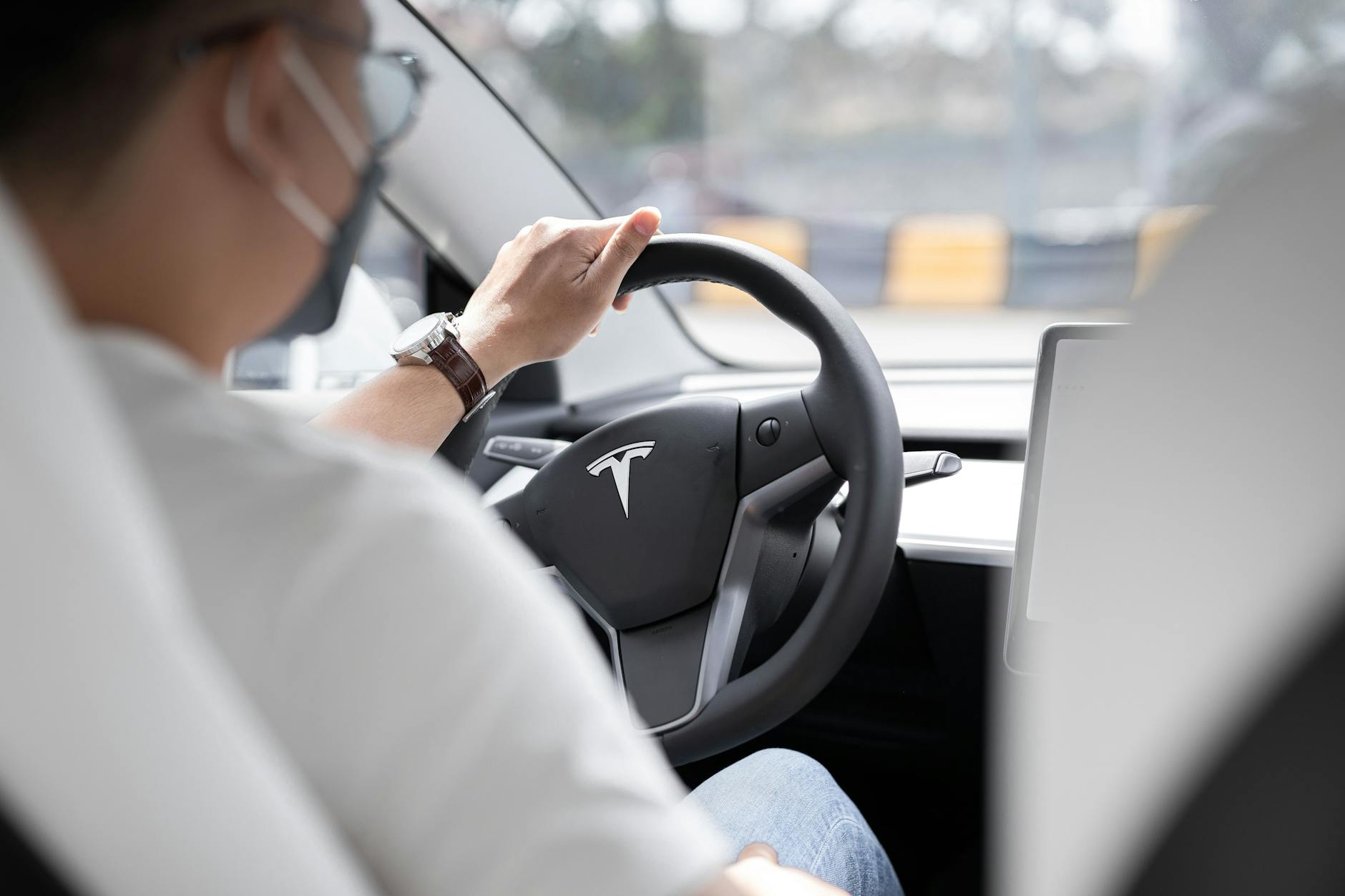
The roar of the internal combustion engine is gradually giving way to the quiet hum of electric motors, and the way we interact with our vehicles is undergoing a profound transformation. This evolution extends far beyond the vehicle itself, impacting one of the most fundamental aspects of car ownership: insurance. The traditional model, largely unchanged for decades, <a href="https://www.carthold.com/is-a-co-signer-necessary-for-your-car-loan-understanding-the-implications/" title="Is a Co-signer Necessary for Your Car Loan? Understanding the Implications”>Is actively being reshaped by technological advancements and shifting consumer expectations.
The future of Car Insurance isn’t just about incremental changes; it’s a landscape poised for significant innovation. From data-driven pricing to entirely new risk assessment models, insurers are scrambling to adapt. Consumers, too, stand to benefit from these changes, potentially accessing more personalized, affordable, and proactive car insurance solutions. Staying informed about these emerging trends is crucial, not just for drivers, but for anyone involved in the automotive and insurance sectors.
The Rise of Usage-Based Insurance (UBI) and Telematics
Perhaps the most significant disruptor in the car insurance industry today is the widespread adoption of Usage-Based Insurance (UBI), often powered by telematics technology. Traditional insurance policies are typically priced based on broad risk factors like age, location, and vehicle type. UBI, on the other hand, leverages data collected from your driving habits to determine your premium. This data can be gathered through onboard diagnostic (OBD) devices, smartphone apps, or even built-in vehicle sensors.
With UBI, factors like miles driven, speed, braking habits, acceleration, and even time of day you drive are analyzed. The core principle is simple: safer drivers drive more affordably. For individuals who drive less, avoid risky behaviors, or have predictable commuting patterns, UBI can offer substantial savings compared to traditional policies. This personalized approach encourages safer driving practices and creates a more equitable system where premiums directly reflect individual risk.
Data Analytics and Artificial Intelligence (AI) in Risk Assessment
Beyond UBI, data analytics and artificial intelligence (AI) are revolutionizing how car insurance companies assess risk. The sheer volume of data available today, from telematics devices, public records, and even social media (with appropriate consent), allows for far more granular and accurate risk profiling. AI algorithms can process this vast amount of information to identify nuanced patterns and predict the likelihood of claims with unprecedented precision.
AI-powered underwriting can evaluate a driver’s risk profile in real-time, moving away from static historical data. This means insurers can adapt policies and premiums more dynamically. Furthermore, AI is being used to automate claims processing, detect fraud more effectively, and even offer personalized risk mitigation advice to policyholders. The future of risk assessment in car insurance is becoming increasingly sophisticated and data-driven.
The Impact of Autonomous and Connected Vehicles
The advent of autonomous vehicles (AVs) and increasingly connected cars presents a complex, yet exciting, challenge for the insurance industry. As vehicles become more capable of driving themselves, the nature of risk fundamentally shifts. The risk of human error, a primary cause of accidents, is expected to decrease. However, new risks emerge, such as the cybersecurity of connected car systems, the reliability of AI driving software, and liability in the event of an AV accident.
Insurers are actively exploring new models to cover these evolving risks. We may see a move towards policies that cover the vehicle software and hardware, rather than solely focusing on the human driver. The data generated by connected cars could also play a crucial role in accident reconstruction and understanding the cause of any incidents involving AVs. The transition to AVs will necessitate a complete rethinking of what car insurance covers and how it’s priced.
Pay-Per-Mile and Micro-Insurance Models
For drivers who use their vehicles sparingly, or for specific short-term needs, pay-per-mile insurance is an increasingly attractive option. This model, often a subset of UBI, charges a base rate plus a per-mile fee. If you only drive your car a few times a month, this can lead to significant savings compared to a flat annual premium. It’s a perfect fit for urban dwellers who rely on public transport or for those who own multiple vehicles and only use one regularly.
Closely related are micro-insurance concepts, offering flexible, short-term coverage. This could include anything from hourly coverage for a rental car to daily coverage for a specific trip. These flexible policies cater to the changing needs of modern consumers and the gig economy, offering a more tailored and accessible approach to insurance when and where it’s needed.
Enhanced Cybersecurity and Fraud Detection
As more data is collected and transmitted, the importance of cybersecurity in the insurance industry cannot be overstated. Insurers must protect sensitive customer data from breaches and ensure the integrity of telematics and connected car systems. Strong cybersecurity measures are essential to maintaining customer trust and complying with data privacy regulations.
Simultaneously, advanced analytics and AI are becoming powerful tools in the fight against insurance fraud. Sophisticated algorithms can analyze claims patterns, identify suspicious activities, and flag potentially fraudulent claims for further investigation. This not only protects insurers from financial losses but also helps keep premiums lower for honest policyholders. The ongoing arms race between fraudsters and fraud detection systems will continue to drive innovation in this area.
The future of car insurance is dynamic and exciting. Technologies are converging to create more personalized, data-driven, and adaptable policies. From usage-based pricing to AI-powered risk assessment and the integration of autonomous vehicles, the industry is undergoing a radical transformation. As a driver, understanding these trends can empower you to make informed decisions about your coverage and potentially save money. The key is to stay aware, embrace new technologies, and choose insurance solutions that align with your individual driving habits and evolving lifestyle.
Frequently Asked Questions (FAQ)
What is Usage-Based Insurance (UBI)?
Usage-Based Insurance (UBI) is a type of car insurance where premiums are determined by factors related to your actual driving behavior, such as miles driven, speed, braking habits, and time of day. Data is collected via telematics devices or smartphone apps.
How will autonomous vehicles change car insurance?
Autonomous vehicles (AVs) are expected to reduce accidents caused by human error, but introduce new risks like software reliability and cybersecurity. Insurance models may shift to cover vehicle systems and software, with liability potentially changing from driver to manufacturer.
Is pay-per-mile insurance suitable for everyone?
Pay-per-mile insurance is ideal for individuals who drive very little. If you have a significant daily commute or travel long distances regularly, it might not be as cost-effective as traditional or other UBI models.
How are AI and data analytics improving car insurance?
AI and data analytics enable insurers to assess risk more accurately and dynamically, personalize premiums, automate claims processing, detect fraud more effectively, and offer data-driven insights to drivers.
What are the benefits of micro-insurance in car insurance?
Micro-insurance offers flexible, short-term coverage options (e.g., hourly or daily) that are ideal for specific needs, like rental cars or short trips, providing a more tailored and accessible insurance solution.